

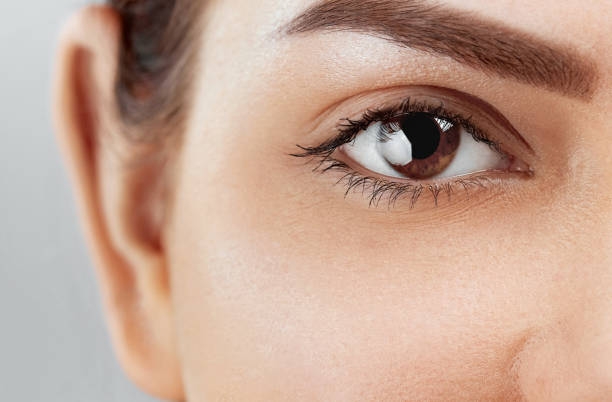
Lower eyelid concerns are among the most common reasons people seek eyelid surgery. Eyelid Surgery in Riyadh Under-eye bags, puffiness, and loose skin create a tired appearance that no amount of sleep or concealer can fix. But not all lower eyelid concerns are the same, and the right treatment depends entirely on what's causing the problem. Fat herniation, skin laxity, and hollowing all require different approaches. If you're considering Eyelid Surgery in Riyadh, here's a guide to the treatment options for lower eyelid bags and loose skin.
Understanding What Causes Under-Eye Bags
Fat Herniation
The most common cause. Fat pads beneath the eye push forward through weakened tissue, creating visible bags.
Skin Laxity
As skin loses elasticity, it sags and creates folds and crepiness under the eyes.
Fluid Retention
Puffiness from fluid can mimic fat herniation but is often temporary and related to diet, sleep, or allergies.
Hollowing and Tear Troughs
Volume loss creates shadows that can look like bags but are actually hollows. These require different treatment.
Muscle and Tissue Weakness
Weakening of the orbital septum allows fat to protrude more visibly.
Combination Causes
Many patients have a combination of fat herniation, skin laxity, and hollowing. This requires a tailored approach.
Treatment Options for Fat Herniation
Transconjunctival Fat Removal
An incision inside the eyelid allows access to fat pads without external scarring. Suitable for patients with good skin elasticity.
Transconjunctival Fat Repositioning
Rather than removing fat, it's repositioned to fill tear troughs. Produces natural results and prevents hollowing.
Subciliary Fat Removal
An incision below the lash line allows fat removal alongside skin excision when needed.
Fat Grafting
In some cases, fat is added to address hollowing rather than removed.
Which Approach Suits You
Depends on skin quality, fat distribution, and whether hollowing or puffiness predominates.
Treatment Options for Loose Skin
Subciliary Skin Excision
An incision below the lash line allows removal of excess skin. Often combined with fat removal or repositioning.
Transcutenous Approach
Similar to subciliary, this approach addresses both skin and fat through an external incision.
Laser Resurfacing
For mild crepiness, laser resurfacing can tighten skin without surgery.
Radiofrequency Tightening
Non-surgical skin tightening can improve mild laxity.
When Surgery Is Needed
Significant skin laxity requires excision. Non-surgical options provide only modest improvement.
Treatment Options for Hollowing
Fat Repositioning
Existing fat is moved to fill hollow areas rather than removed.
Fat Grafting
Fat from elsewhere is injected to restore volume.
Dermal Fillers
Hyaluronic acid fillers can temporarily address hollowing, though results are temporary.
When Surgery Is Appropriate
Significant hollowing may require surgical repositioning or grafting for lasting results.
Combined Approaches
Fat Repositioning With Skin Excision
For patients with both fat herniation and skin laxity, combining techniques produces the best results.
Fat Removal With Canthopexy
If the lower lid is lax, support may be reinforced alongside fat removal to prevent malposition.
Staged Procedures
Some patients benefit from addressing one concern first, then reassessing.
Why Combination Matters
Most lower eyelid concerns are multifactorial. Addressing only one aspect often leaves residual issues.
What the Procedures Involve
Anaesthesia
Typically local anesthesia with sedation or general anesthesia.
Transconjunctival Approach
An incision inside the eyelid allows fat access without external scarring.
Subciliary Approach
An incision below the lash line allows fat and skin access.
Fat Handling
Fat is removed, repositioned, or grafted depending on your anatomy and goals.
Skin Excision
Excess skin is removed when needed.
Closing
Incisions are closed with fine sutures.
Duration
Typically one to two hours.
Recovery Expectations
Swelling
Expected and often significant. Peaks within the first few days.
Bruising
Common and fades over two to three weeks.
Dryness
Eye lubrication is important during recovery.
Vision
Temporary blurring from ointments is common.
Healing Timeline
Final results emerge over several months.
Return to Activity
Most patients return to desk work within one to two weeks.
Risks and Considerations
Lower Lid Malposition
Ectropion or lid retraction can occur, particularly with external approaches. This requires correction if significant.
Hollowing
Over-removal of fat creates a sunken appearance.
Under-Correction
Insufficient fat removal or skin excision leaves residual concerns.
Dry Eye
Changes in lid position can affect tear distribution.
Asymmetry
Some asymmetry is normal. Noticeable differences may require assessment.
Scarring
External approaches leave scars, though they typically heal well.
Revision
Revision is possible but more complex due to scar tissue.
Questions to Ask During Consultation
About the Cause
"What's causing my under-eye bags, and which treatment addresses it?"
About Technique
"Which approach suits my anatomy, and why?"
About Fat
"Will you remove, reposition, or preserve fat?"
About Skin
"Do I need skin excision, or will my skin retract?"
About Scars
"Where will incisions be placed, and how will they heal?"
About Realistic Outcomes
"What improvement can I realistically expect?"
What to Avoid
Assuming One Treatment Fits All
Lower eyelid concerns vary. The right approach depends on your specific anatomy.
Requesting Aggressive Fat Removal
Over-removal creates hollowing. Conservative technique produces better long-term results.
Ignoring Skin Laxity
If skin needs excision, fat removal alone won't achieve the desired result.
Choosing Based on Price Alone
Precision matters. People researching eyelid surgery costs in riyadh should prioritise credentials over cost.
Rushing the Decision
Take time to understand your anatomy and what's achievable. A Eyelid Surgery in Riyadh consultation should include honest discussion of treatment options.
Book an Appointment Consultation Clinic
For those seeking expert guidance and customized aesthetic care, you can book an appointment consultation at the Enfield Royal Riyadh. A personalised consultation determines which lower eyelid treatment best suits your anatomy and goals.
FAQs
What causes under-eye bags?
Fat herniation, skin laxity, fluid retention, and hollowing all contribute. Identifying the cause determines treatment.
What's the best treatment for lower eyelid bags?
It depends on the cause. Fat removal, repositioning, skin excision, or a combination may be appropriate.
Can lower eyelid surgery remove loose skin?
Yes, through subciliary or transcutenous approaches. Transconjunctival surgery doesn't address skin.
Will lower eyelid surgery leave scars?
Transconjunctival approaches leave no external scar. External approaches leave scars below the lash line that typically heal well.
How long is recovery after lower eyelid surgery?
Swelling and bruising resolve within two to three weeks, with final results emerging over several months.

 English
 Arabic
 French
 Spanish
 Portuguese
 Deutsch
 Turkish
 Dutch
 Italiano
 Russian
 Portuguese (Brazil)
 Greek