


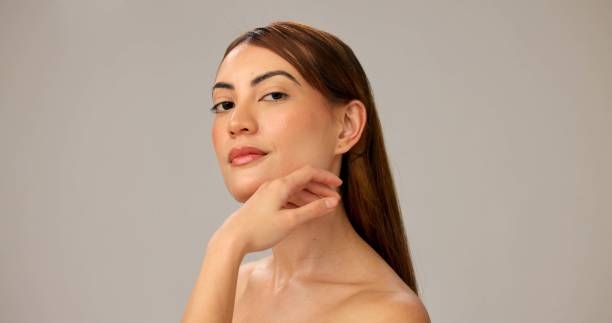
Sun exposure is the single greatest contributor to visible skin aging. Years of ultraviolet radiation break down collagen, stimulate excess pigment, roughen texture, and dilate blood vessels, producing skin that looks older than its years. J Plasma Skin Resurfacing in RiyadhMany patients assume this damage is permanent. It is not—at least not entirely. J Plasma can repair a significant portion of sun-related damage by stimulating your skin's own regeneration processes. If you are considering J Plasma Skin Resurfacing in Riyadh, this guide explains how it addresses sun-damaged skin.
What Sun Damage Actually Does to Skin
Ultraviolet radiation penetrates the dermis and damages collagen and elastin fibers, causing them to break down and become disorganized. Melanocytes are stimulated to produce excess pigment, producing spots and uneven tone. The skin's surface thickens in some areas and thins in others. Blood vessels dilate, creating redness. Free radicals accumulate, perpetuating damage even after sun exposure ends. Over years, these changes compound into what we recognize as photoaging—distinct from chronological aging and often more pronounced.
How J Plasma Repairs Sun Damage
J Plasma delivers controlled thermal energy to the skin, triggering the body's wound-healing cascade. This stimulates fibroblasts to produce new, organized collagen and elastin, replacing damaged fibers. Cellular turnover accelerates, helping pigmented surface cells shed more quickly. Unlike lasers that depend on melanin absorption, plasma works independently of pigment. Patients researching jplasma near me for sun damage often find this approach appealing.
Specific Concerns It Addresses
Sun Spots and Pigmentation
Turnover accelerates, helping pigmented cells shed, gradually fading spots.
Fine Lines and Wrinkles
New collagen thickens the dermis, softening static lines.
Rough Texture
Cellular renewal smooths irregular surfaces.
Dullness
Improved circulation and turnover restore luminosity.
Redness
Improved skin quality and barrier function may reduce vascular reactivity.
Mild Laxity
Increased collagen density firms early sagging.
A J Plasma Skin Resurfacing in Riyadh treatment plan for sun damage typically involves two to three sessions.
Why It Suits All Skin Tones
Many treatments for sun-related pigmentation carry significant risk in medium to darker skin tones because lasers depend on melanin absorption. J Plasma does not target pigment—it stimulates collagen and turnover regardless of skin color. When performed with appropriately conservative settings, it is suitable across a broad range of complexions. A J Plasma Skin Resurfacing in Riyadh practitioner experienced with pigmentation will adjust protocols accordingly.
What Treatment Involves
A topical numbing cream is applied before treatment. The practitioner guides the device across the skin at depths calibrated for the specific concerns being addressed—often more conservative for pigmentation, deeper for texture and scarring. Sessions typically last thirty to forty-five minutes. Afterwards, expect redness resembling mild sunburn, fading within a day or two. Mild flaking may occur during the first week as renewed skin surfaces.
Realistic Timelines for Repair
Early luminosity may appear within two to four weeks. Meaningful improvement in texture and tone typically develops over two to three months. Final results emerge between months three and six as collagen matures and pigmentation clears. Sun spots often fade gradually rather than disappearing suddenly. Consistency across a full series, combined with rigorous sun protection, determines how much improvement is achievable.
The Essential Role of Sun Protection
No treatment can outpace ongoing sun damage. Daily broad-spectrum sunscreen with SPF 30 or higher is non-negotiable, reapplied every two hours during outdoor exposure. Protective clothing, hats, and shade reduce exposure further. Patients who continue unprotected sun exposure will see new damage form even as treatment repairs existing damage. Sun protection preserves and amplifies every professional treatment you receive.
Supporting Repair With Daily Habits
Antioxidant serums neutralize free radicals that perpetuate damage. Retinoids, once approved, enhance turnover and collagen production. Hydration supports cellular function. Adequate protein provides building blocks for collagen. Sleep drives tissue repair. Avoid smoking, which degrades collagen and impairs circulation. These habits cost little and significantly amplify what J Plasma can achieve.
For those seeking expert guidance and customized aesthetic care, you can book an appointment consultation at the Enfield Royal Clinic.
FAQs
Can J Plasma repair sun-damaged skin?
Yes, it stimulates collagen and accelerates turnover, improving texture, tone, and fine lines.
Is jplasma near me safe for pigmentation from sun exposure?
Yes, with appropriately conservative settings, it carries lower pigmentation risk than many lasers.
How many sessions are needed for sun damage?
Most patients need two to three sessions spaced four to six weeks apart.
How soon will I see improvement?
Early luminosity appears within a month, with meaningful improvement over three to six months.
Can sun damage return after treatment?
Yes, without consistent sun protection, new damage will form despite treatment.

 Arabic
 French
 Spanish
 Portuguese
 Deutsch
 Turkish
 Dutch
Dutch
 Italiano
 Russian
 Romaian
 Portuguese (Brazil)
 Greek
Greek