


Are Botox Injections Safe for All Skin Types?
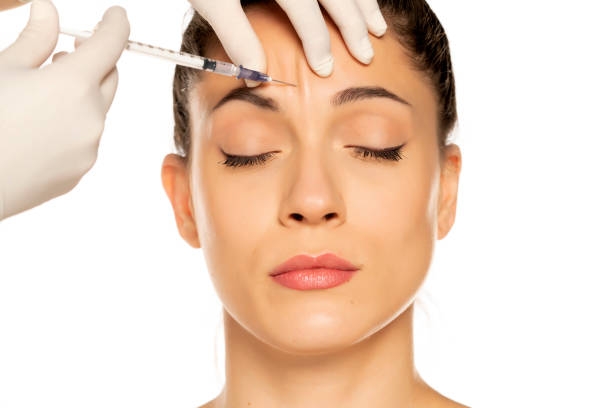
Botox injections are a popular non-surgical cosmetic treatment used to soften fine lines, reduce the appearance of wrinkles, and create a refreshed look. However, people often wonder whether Botox is suitable for every skin type, including dry, oily, sensitive, and combination skin. In general, Botox does not depend on skin type in the same way that certain topical skincare products or laser treatments do. If you are considering Botox Injections in Riyadh, understanding how your skin condition, medical history, and treatment goals affect suitability can help you make an informed decision.
Botox works by temporarily reducing activity in specific muscles responsible for expression-related wrinkles. It is injected into selected muscles rather than applied to the surface of the skin. This means that having oily, dry, or combination skin does not automatically prevent you from receiving treatment. However, individual health factors, skin conditions around the injection site, and the experience of the practitioner are important considerations when planning a safe procedure.
Does Skin Type Affect Botox Treatment?
Skin type generally has less influence on Botox suitability than it does on treatments that directly target the skin's surface. Botox primarily affects the activity of selected muscles, so its cosmetic effects are not determined by whether your skin produces more or less oil.
Nevertheless, your skin condition can influence how the injection area should be assessed and cared for. Active irritation, infection, inflammation, or damaged skin around the intended injection sites may require treatment to be postponed. A qualified medical professional can evaluate your skin and overall health before recommending Botox.
Is Botox Safe for Oily Skin?
People with oily skin can generally be candidates for Botox if they have no medical contraindications. Oily skin produces more sebum, which can contribute to clogged pores and acne, but oil production itself does not usually prevent Botox from working.
Botox may help soften expression lines in suitable treatment areas, but it is not a general treatment for oily skin or acne. Although botulinum toxin has been investigated for certain effects on oil production, its use for this purpose is different from conventional cosmetic wrinkle treatment.
Before treatment, tell your practitioner if you have active acne, inflamed lesions, or an infection near the injection sites. The clinician may recommend waiting until the affected area has improved.
Can People With Dry Skin Get Botox?
Dry skin does not automatically make Botox unsuitable. People with dry skin may receive treatment to address forehead lines, frown lines, or crow's feet, depending on their goals and medical suitability.
However, dry skin can sometimes be more prone to irritation, tightness, and sensitivity. Maintaining a gentle skincare routine and using an appropriate moisturizer may help support the skin barrier before and after treatment.
Botox does not directly replace lost skin moisture or treat every cause of dryness. If your skin is cracked, irritated, or inflamed around the intended injection area, discuss this with your practitioner before proceeding.
Is Botox Suitable for Sensitive Skin?
People with sensitive skin may be able to receive Botox, but they should discuss their sensitivity and previous reactions with their healthcare provider. Sensitivity can involve redness, itching, burning, or reactions to particular skincare products or ingredients.
Botox injections may cause temporary redness, tenderness, swelling, or bruising at the injection sites. These effects are not necessarily signs of an allergic reaction, but any unusual or worsening symptoms should be assessed.
Tell your practitioner about known allergies, previous reactions to injections, and any products or medications that have caused problems in the past. If you have active dermatitis, significant inflammation, or an infection at the treatment site, the procedure may need to be postponed.
Can People With Combination Skin Receive Botox?
Combination skin includes areas that are oily and others that are dry or normal. This skin type generally does not prevent someone from receiving Botox injections.
The practitioner will focus on the muscles and facial areas being treated rather than the balance of oil and moisture across the face. Your skincare routine may need to be adjusted temporarily if certain products cause irritation around the injection sites.
As with other skin types, suitability depends on your medical history, treatment goals, and the condition of the skin where the injections will be administered.
Does Skin Tone Affect Botox Safety?
Botox is not generally restricted to particular skin tones. People with light, medium, or dark skin can be considered for treatment when medically suitable.
However, individual skin characteristics still matter. For example, some people are more prone to post-inflammatory hyperpigmentation after skin irritation or injury. Small injection-related bruises or inflammation may occasionally leave temporary discoloration, particularly in individuals who are predisposed to pigmentation changes.
Botox injections use small needles, so the risk of significant skin injury is generally limited when treatment is performed appropriately. A qualified practitioner can discuss your personal risk factors and provide advice on caring for the injection sites.
Who Should Avoid Botox or Seek Medical Advice First?
Although skin type alone is rarely a reason to avoid Botox, certain health factors may affect suitability. Botox may not be appropriate for people with a known allergy to the product or an infection at the proposed injection site.
People with certain neuromuscular disorders, those taking medicines that may interact with botulinum toxin, and individuals with a history of serious reactions to similar treatments need careful medical assessment. Botox is generally avoided during pregnancy and breastfeeding as a precaution because safety information is limited.
Always provide a complete medical history, including your medications, supplements, allergies, previous cosmetic procedures, and any relevant medical conditions. Never stop a prescribed medicine without advice from your healthcare professional.
How to Make Botox Treatment Safer for Your Skin
Taking a few practical steps can help you prepare for treatment and support a smoother recovery.
-
Choose a qualified practitioner: Ensure your provider has appropriate medical training and experience with facial anatomy.
-
Discuss your skin concerns: Mention dryness, sensitivity, acne, dermatitis, pigmentation concerns, or previous reactions.
-
Follow pre-treatment advice: Ask whether you should adjust any skincare products before your appointment.
-
Use gentle aftercare: Avoid unnecessary rubbing or pressure on the injection sites and follow your practitioner's instructions.
-
Monitor your response: Contact your healthcare provider if symptoms worsen or unexpected reactions develop.
Seek emergency medical attention if you experience difficulty breathing or swallowing, significant generalized weakness, or other serious symptoms after treatment.
Book Your Botox Consultation at Royal Clinic Saudia
Botox can be suitable for many people with different skin types, but individual health factors and treatment goals should always be considered. A professional consultation can help you understand the expected benefits, possible side effects, and precautions relevant to your skin and medical history.
At Royal Clinic Saudia, you can discuss your concerns, ask questions about the procedure, and explore whether Botox aligns with your aesthetic goals. If you are considering Botox Injections in Riyadh, schedule a consultation to receive personalized guidance and make an informed decision about your treatment.
FAQs:
Can People With Sensitive Skin Get Botox Injections?
Yes, many people with sensitive skin can receive Botox. However, active irritation, infection, or inflammation near the injection site may require postponing treatment. Discuss your sensitivities and previous reactions with your practitioner.
Does Botox Work Differently on Oily and Dry Skin?
Botox primarily affects targeted muscles, so oily and dry skin do not usually determine its effectiveness. Individual muscle activity, treatment area, dosage, and response are more relevant to the results.
Can Botox Cause Pigmentation or Dark Spots?
Bruising or local inflammation can occasionally lead to temporary discoloration, particularly in people prone to post-inflammatory hyperpigmentation. A qualified practitioner can assess your risk and explain appropriate aftercare.
How Do I Know Whether Botox Is Suitable for My Skin?
A consultation with a qualified medical professional is the best way to assess suitability. Your provider should review your skin condition, medical history, allergies, medications, and treatment goals before recommending injections.

 English
 Arabic
 French
 Spanish
 Portuguese
 Deutsch
 Turkish
 Dutch
 Italiano
 Russian
 Portuguese (Brazil)
 Greek