

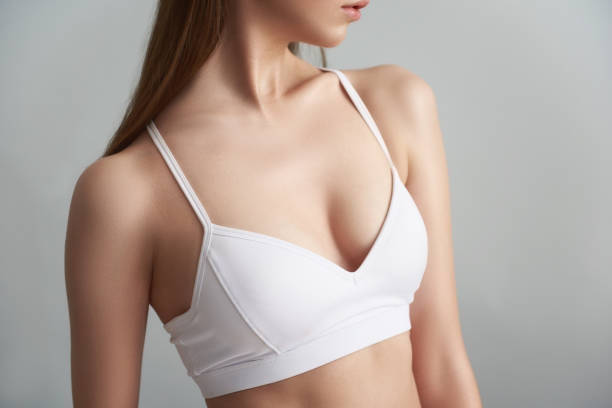

Many women consider breast augmentation to improve breast volume, shape, and overall body proportions. While traditional breast augmentation uses implants, another option involves using the patient's own body fat to enhance breast fullness. This technique is known as fat transfer breast augmentation or autologous fat grafting. It combines liposuction with fat injection to add volume to the breasts without using synthetic implants. For women exploring Breast augmentation surgery in Riyadh (عملية تكبير الصدر في الرياض), understanding how fat transfer works can help them compare available techniques and discuss suitable options with a qualified plastic surgeon.
Understanding Fat Transfer Breast Augmentation
Fat transfer breast augmentation is a cosmetic procedure that uses fat collected from areas of the body where excess fat is present. The collected fat is processed and carefully injected into specific areas of the breasts to improve volume and contour.
Unlike implant-based augmentation, this technique uses the patient's own tissue. It may appeal to women who prefer a more subtle enhancement and want to avoid breast implants.
The procedure generally involves three main stages:
-
Fat harvesting: Fat is removed from selected areas using liposuction.
-
Fat processing: The collected fat is prepared to separate suitable fat cells from unwanted fluids and other materials.
-
Fat injection: The prepared fat is strategically transferred into the breasts to improve fullness and shape.
How Does the Fat Transfer Procedure Work?
Fat transfer breast augmentation is performed using a personalised surgical plan. The surgeon identifies suitable donor areas, evaluates breast anatomy, and determines how much fat may be transferred safely.
Fat Collection Through Liposuction
The procedure begins with liposuction to collect fat from areas such as the abdomen, thighs, hips, or flanks. Small incisions are used to insert a thin cannula that gently removes fat cells. The selected donor areas depend on the patient's body composition and available fat.
Processing the Collected Fat
After harvesting, the fat is processed to remove excess fluid, blood, and damaged cells. This preparation helps the surgeon select suitable fat for transfer. Proper handling is important because some transferred fat may not survive after injection.
Injecting Fat Into the Breasts
The prepared fat is injected in small amounts into different areas of the breasts. The surgeon distributes it carefully to support an even contour and encourage the transferred cells to receive an adequate blood supply. The technique aims to create natural-looking fullness while avoiding excessive fat placement.
Who Is a Suitable Candidate for Fat Transfer Breast Augmentation?
Fat transfer may be suitable for women who want a modest increase in breast volume and have enough excess body fat available for harvesting. Candidates should also be in suitable overall health and have realistic expectations about the results.
Potential candidates may include women who:
-
Prefer using their own fat instead of breast implants.
-
Want a subtle increase in breast fullness.
-
Have sufficient fat in suitable donor areas.
-
Want to improve minor breast contour differences.
-
Understand that some transferred fat may be reabsorbed.
Women seeking a substantial increase in breast size may find that fat transfer alone cannot achieve their desired outcome. A consultation helps determine whether this technique is appropriate.
Benefits of Fat Transfer Breast Augmentation
Fat transfer offers several potential advantages for carefully selected patients.
Uses Your Own Body Fat
Because the procedure uses the patient's own fat, it does not require synthetic breast implants. This may appeal to women who prefer an approach involving their own tissue.
Provides Subtle, Natural-Looking Enhancement
Fat transfer can create a gradual increase in breast fullness and may be suitable for women who want a modest change rather than a dramatic size increase.
Contours Donor Areas
Liposuction removes fat from selected areas, which may also improve contour in those locations. However, the final appearance depends on the amount of fat removed, skin quality, and individual healing.
No Breast Implant Device
Since no implant is inserted, patients do not experience implant-specific issues such as implant rupture or capsular contracture. However, fat transfer has its own risks and limitations.
What Are the Limitations of Fat Transfer?
Although fat transfer can provide natural-looking enhancement, it is not suitable for every patient. The amount of breast volume gained is generally more limited than with implants, and some transferred fat is naturally reabsorbed by the body.
Important considerations include:
-
Some fat cells may not survive after transfer.
-
More than one session may be needed to achieve the desired result.
-
Significant breast enlargement may not be possible with fat alone.
-
Changes in body weight can affect the appearance of transferred fat.
-
Small areas of fat necrosis, oil cysts, or calcifications may develop.
Patients should discuss these limitations with their surgeon before deciding on treatment.
Fat Transfer vs. Traditional Breast Implants
Both techniques aim to improve breast volume, but they work differently. Traditional augmentation uses implants to create a more predictable increase in breast size, while fat transfer uses harvested fat for a typically more modest enhancement.
The main differences include:
-
Material: Implants use a medical device, while fat transfer uses the patient's own fat.
-
Volume enhancement: Implants can provide a larger increase in breast size; fat transfer is generally more limited.
-
Donor areas: Fat transfer requires liposuction, while implant surgery does not usually involve fat harvesting.
-
Additional procedures: Fat transfer may require further sessions if more volume is desired.
The best option depends on body anatomy, desired results, medical history, and personal preferences.
Recovery After Fat Transfer Breast Augmentation
Recovery involves healing in both the breast area and the liposuction donor sites. Patients may experience temporary swelling, bruising, tenderness, and soreness. The recovery process varies according to the amount of fat removed and transferred.
General recovery guidance may include:
-
Follow the surgeon's instructions for caring for incision sites.
-
Wear recommended support garments for donor areas if advised.
-
Avoid strenuous exercise until medically cleared.
-
Follow guidance about pressure on the breasts during healing.
-
Attend follow-up appointments to monitor recovery.
The breasts may initially appear fuller due to swelling. Their shape gradually changes as swelling settles and the body absorbs some of the transferred fat.
Risks and Safety Considerations
Fat transfer breast augmentation is a surgical procedure and carries potential risks. These may include infection, bleeding, contour irregularities, asymmetry, fat necrosis, oil cysts, and calcifications. Rare but serious complications can also occur, so choosing an appropriately qualified and experienced surgeon is important.
Patients should discuss breast imaging and future screening with their medical team. They should also report any new breast lump or unusual change for appropriate evaluation.
Is Fat Transfer Breast Augmentation Right for You?
The right procedure depends on your desired breast size, available donor fat, natural breast anatomy, and overall health. Women who want a modest enhancement and prefer avoiding implants may consider fat transfer, while those seeking a more significant increase may discuss implant-based options.
A personalised consultation can help compare the benefits, limitations, and risks of each approach. Breast augmentation surgery in Riyadh may involve different techniques, so understanding your options is an important step before making a decision.
Book a Consultation at Royal Clinic Saudia
If you are considering breast enhancement and want to learn whether fat transfer is suitable for your goals, a professional consultation can help clarify your options. At Royal Clinic Saudia (عيادات رويال كلينك), you can discuss your preferences, ask about available breast enhancement approaches, and learn what may be appropriate for your anatomy. Contact the clinic to arrange an appointment and discuss your treatment goals.
FAQs:
What is fat transfer breast augmentation?
It is a procedure that uses fat collected through liposuction from another area of the body and transfers it into the breasts to add volume and improve contour.
How much bigger can breasts get with fat transfer?
Fat transfer generally provides a modest increase in breast volume. The amount depends on available donor fat, breast anatomy, and how much transferred fat survives.
Do all transferred fat cells survive?
No. The body naturally reabsorbs some transferred fat. The amount that remains varies between patients, which can affect the final result.
Is fat transfer breast augmentation permanent?
Some transferred fat cells can establish a lasting blood supply and remain, but results may change with ageing, weight fluctuations, and natural body changes. Further treatment may sometimes be considered.


