


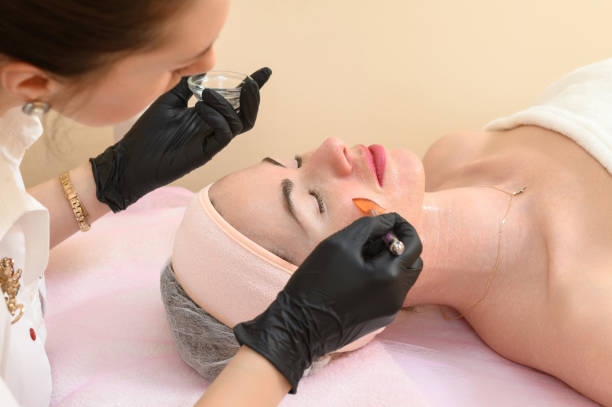
Chemical peels are among the most established treatments in aesthetic medicine, used for decades to improve skin texture, tone, and clarity. But familiarity can breed complacency, and it's worth asking directly: are they actually safe? The honest answer is that peels are safe when performed by a qualified practitioner on a suitable candidate with proper aftercare. Chemical Peels in Riyadh They become risky when those conditions aren't met. If you're considering Chemical Peels in Riyadh, here's a balanced look at the risks, the benefits, and who makes a good candidate.
Why Chemical Peels Are Considered Safe
Decades of Established Use
Chemical peels have been used for decades, with techniques refined continuously. This long history means risks and management strategies are well documented.
Controlled Exfoliation
Peels cause controlled exfoliation rather than uncontrolled damage. The depth can be adjusted based on skin type and concern.
Customizable Depth
Superficial peels carry minimal risk. Medium and deep peels carry more but are reserved for appropriate candidates.
Qualified Practitioners Reduce Risk
Trained practitioners assess skin type, select appropriate peels, and manage complications effectively.
Predictable Healing
The healing process is well understood. Practitioners can anticipate timelines and address concerns proactively.
The Real Risks
Redness and Peeling
Expected side effects. They resolve within days to weeks, depending on depth.
Pigmentation Changes
Post-inflammatory hyperpigmentation is a risk, particularly in darker skin tones. Careful peel selection reduces this risk.
Infection
Rare but possible. Sterile technique and proper aftercare reduce risk.
Scarring
Rare, particularly with superficial peels. Deeper peels carry higher risk.
Cold Sore Outbreak
Peels can trigger outbreaks in those with a history of cold sores. Antiviral prophylaxis may be needed.
Allergic Reactions
Possible reactions to peel components. A patch test may be appropriate.
Who Faces Higher Risk
Darker Skin Tones
Higher risk of pigmentation changes. Careful peel selection and conservative depth are essential.
Patients on Isotretinoin
Increased skin fragility and impaired healing. A waiting period is usually required.
Those With Active Skin Infections
Treatment should wait until the area is healthy.
Patients With Certain Medical Conditions
Autoimmune conditions, diabetes, and bleeding disorders require assessment.
Smokers
Smoking impairs healing and increases complication risk.
Those Choosing Unqualified Providers
Unaccredited settings and inexperienced practitioners are the most preventable risk factors. People searching for an advanced peel clinic riyadh should prioritise credentials.
The Benefits
Improved Texture
Peels remove dead cells, revealing smoother skin.
Brighter Complexion
Dullness fades as fresh skin emerges.
Reduced Pigmentation
Medium-depth peels can fade sun spots and post-acne marks.
Clearer Pores
Exfoliation reduces congestion.
Softened Fine Lines
Medium peels stimulate collagen.
Acne Improvement
Salicylic acid peels reduce breakouts and inflammation.
Better Product Absorption
Skincare penetrates more effectively after peels.
Who Is a Suitable Candidate
Good Overall Health
Stable health supports safe treatment and proper healing.
Realistic Expectations
Understanding that peels refine rather than transform is essential.
Appropriate Skin Type
Different peels suit different skin types. Assessment determines suitability.
No Active Infections
Skin should be healthy before treatment.
Commitment to Aftercare
Sun protection and proper skincare are essential for results. A Chemical Peels in Riyadh consultation should include thorough assessment.
How to Reduce Your Risk
Choose a Qualified Practitioner
Verify credentials, experience, and evidence of proper technique.
Disclose Your Full Health History
Share all conditions, medications, and previous reactions.
Follow Pre-Treatment Instructions
Avoid sun exposure and harsh products before treatment.
Follow Aftercare Precisely
Moisturise, protect from sun, and avoid picking.
Attend Follow-Ups
Regular check-ins help catch problems early.
Questions to Ask During Consultation
About Safety
"What risks are associated with the peel you're recommending?"
About Suitability
"Am I a good candidate given my skin type and history?"
About Depth
"What depth do you recommend, and why?"
About Aftercare
"What should I do to reduce risks?"
About Emergency Protocols
"What happens if a complication occurs?"
Book an Appointment Consultation Clinic
For those seeking expert guidance and customized aesthetic care, you can book an appointment consultation at the Enfield Royal Riyadh. A personalised consultation covers safety, suitability, and realistic outcomes.
FAQs
Are chemical peels safe?
They're generally safe when performed by a qualified practitioner on a suitable candidate with proper aftercare.
What are the main risks of chemical peels?
Redness, peeling, pigmentation changes, infection, and rarely scarring.
Are peels safe for darker skin tones?
They can be, but require careful peel selection to avoid pigmentation issues.
Who should avoid chemical peels?
Pregnant or breastfeeding women, those with active infections, and patients on certain medications.
How can I reduce peel risks?
Choose a qualified practitioner, disclose your health history, and follow all instructions. People searching for an advanced peel clinic riyadh should prioritise safety. A Chemical Peels in Riyadh consultation should include honest risk discussion.

 Arabic
 French
 Spanish
 Portuguese
 Deutsch
 Turkish
 Dutch
 Italiano
 Russian
 Romaian
 Portuguese (Brazil)
 Greek