

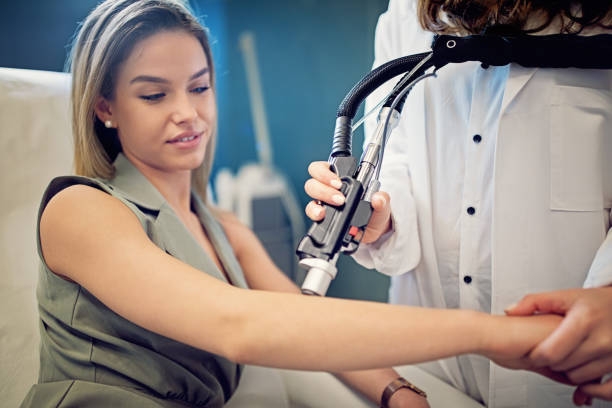
How Laser Energy Helps Break Down Permanent Tattoo Pigments

Tattoos are designed to remain visible because ink is deposited beneath the skin's surface, where ordinary cleansing and exfoliation cannot reach it. Over time, personal preferences may change, leading people to explore ways to reduce or remove unwanted designs. Laser tattoo removal in Riyadh uses focused light energy to target tattoo pigments beneath the skin and gradually make them less visible. Understanding how this technology works can help individuals make informed decisions about treatment and what to expect from the process.
The science behind laser treatment involves more than simply directing light toward a tattoo. Different ink colours absorb different wavelengths, and the body's natural processes play an important role in clearing the fragmented pigment. Laser tattoo removal in Riyadh is therefore planned according to the tattoo's composition, depth, size, and the individual's skin characteristics. These factors help determine the appropriate laser approach and treatment schedule.
How Laser Energy Interacts With Tattoo Ink
Selective Absorption of Light
Laser tattoo removal works by delivering short, controlled pulses of light energy to the tattooed area. Tattoo pigments absorb specific wavelengths more effectively than the surrounding skin, allowing the laser to target the ink. The energy is converted into a rapid effect within the pigment particles, helping break larger particles into smaller fragments.
The choice of wavelength is important because different colours respond differently to light. A laser setting that works well for one pigment may be less effective for another. Professional assessment helps identify the ink colours and select an appropriate treatment approach.
Breaking Pigment Into Smaller Particles
Permanent tattoo ink contains pigment particles that are too large for the body's natural clearance processes to remove easily. Laser energy disrupts these particles, creating smaller fragments that can gradually be processed by the body's immune and lymphatic systems.
This process takes time. The laser does not simply make the ink disappear during the appointment. Instead, it begins a gradual sequence in which fragmented pigment is cleared over the weeks following treatment. This is one reason multiple sessions are usually needed to achieve noticeable fading.
Why Different Tattoo Colours Respond Differently
Dark Pigments
Black and some dark blue pigments often respond well to laser treatment because they absorb commonly used laser wavelengths effectively. However, the outcome still depends on ink density, depth, tattoo age, and the characteristics of the skin. Even a dark tattoo may require several appointments to fade substantially.
Bright and Light Pigments
Red, orange, yellow, and green pigments may require different wavelengths. Some colours can be more challenging to treat, and certain cosmetic or white inks may respond unpredictably. A practitioner should examine the tattoo rather than assuming that every pigment will respond in the same way.
Mixed-Colour Tattoos
Designs containing several colours may need a more tailored approach. The practitioner may need to select different wavelengths or treatment settings for different pigment areas. This makes a detailed examination particularly important when planning removal of complex artwork.
The Role of Laser Technology and Pulse Duration
Modern tattoo removal systems are designed to deliver energy in carefully controlled pulses. Some systems use very short pulse durations to create a photoacoustic effect, which helps fragment pigment while limiting unnecessary heat exposure to surrounding tissue. The exact technology used depends on the equipment, tattoo characteristics, and clinical assessment.
Different laser systems may be suitable for different pigment types and skin characteristics. A qualified practitioner considers the expected benefits and potential risks before selecting the equipment and settings. Treatment should not be based on tattoo colour alone because depth, density, and skin tone also influence the approach.
How the Body Clears Fragmented Ink
Natural Immune Response
Once the laser breaks tattoo pigment into smaller fragments, the body's immune system helps transport and clear some of this material. Immune cells, including macrophages, play a role in taking up pigment particles and moving them through natural clearance pathways.
This biological process continues after the appointment. As the body gradually processes the fragmented ink, the tattoo may appear lighter over time. The visible change is therefore not always immediate, and results are generally assessed between sessions rather than directly after laser exposure.
Why Recovery Time Matters
The skin needs time to recover after each treatment, while the body continues processing pigment fragments. Scheduling sessions too close together may interfere with proper recovery and does not necessarily improve the final result. A suitable interval allows the practitioner to assess healing and decide when another session may be appropriate.
Factors That Influence the Effectiveness of Laser Treatment
Several characteristics can affect how well a tattoo responds. These include the type and amount of ink, pigment depth, tattoo age, size, and location on the body. Professional tattoos may contain dense pigment, while amateur designs can vary considerably in depth and concentration.
Individual skin characteristics also matter. Skin tone, sensitivity, previous scarring, and a history of pigmentation changes should be discussed before treatment. Previous removal attempts and certain health or medication considerations may also influence the treatment plan. Laser tattoo removal in Riyadh should involve an individual assessment so that the chosen approach reflects these factors rather than following a standard plan for every tattoo.
What to Expect During and After Treatment
Before a session, the practitioner examines the tattoo, reviews relevant medical history, and explains the procedure. Protective eyewear is used during laser application. The treatment itself involves directing controlled pulses over the tattoo, and some people describe the sensation as a brief snapping or stinging feeling. Cooling measures may be used to improve comfort.
Temporary redness, swelling, tenderness, or blistering can occur afterward. Following aftercare instructions is important: keep the area clean, avoid picking or scratching the skin, and protect it from direct sunlight. Use recommended dressings or products as directed, and allow the area to heal before another session. Seek medical advice if you develop severe pain, spreading redness, unusual discharge, fever, or other concerning symptoms.
Understanding Possible Results and Limitations
Laser treatment can fade many tattoos significantly, but complete removal is not guaranteed. Some pigments may remain visible, and certain colours can be difficult to clear. Temporary changes in skin colour and, less commonly, scarring or infection are possible complications. A professional should explain these risks and discuss realistic expectations before treatment begins.
The goal may be complete removal or sufficient fading to make a cover-up possible. These objectives can require different treatment plans, so it is useful to communicate your preferred outcome during consultation.
Book a Consultation at Royal Clinic Saudi
If you want to understand whether laser treatment may be suitable for your tattoo, arrange a professional assessment. Royal Clinic Saudi can evaluate the tattoo and surrounding skin, discuss the laser approach, and explain the likely treatment stages and aftercare considerations. A personalised consultation can help you make an informed decision about moving toward clearer-looking skin.
FAQs:
1. Does laser energy remove tattoo ink immediately?
No. Laser energy fragments the pigment, and the body gradually clears some of these particles over the following weeks.
2. Why are multiple laser sessions necessary?
Different layers and concentrations of pigment may require repeated treatment, while the skin and body need time to recover and process fragmented ink.
3. Can laser treatment work on coloured tattoos?
Many coloured tattoos can be treated, but different pigments respond to different wavelengths. Some colours may be more difficult to fade.
4. Is the skin damaged during laser tattoo removal?
Temporary skin reactions can occur, including redness, swelling, and blistering. Appropriate laser settings, professional care, and aftercare help reduce risks, but complications are possible.


