

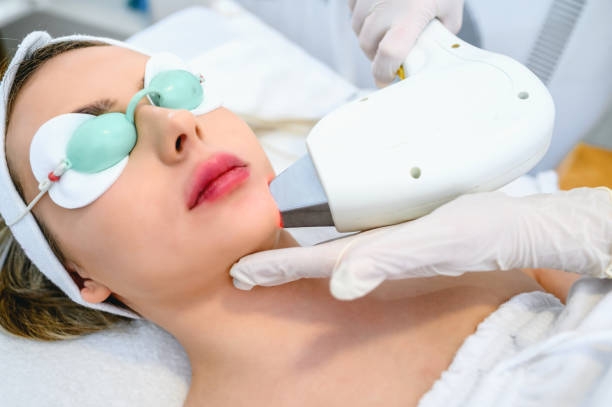
Can Fractional Laser Treatment Improve Sun-Damaged Skin?

Sun exposure is one of the leading contributors to premature skin aging. Over time, ultraviolet (UV) radiation can damage collagen, trigger pigmentation changes, create rough patches, and make fine lines more noticeable. These changes may affect the face, neck, chest, and hands, leaving the skin looking uneven and less radiant. Fractional laser treatment in Riyadh (علاج فراكشنال ليزر في الرياض) is a skin-resurfacing option that may help improve selected signs of sun damage by stimulating skin renewal and collagen remodeling.
Although sunscreen and a consistent skincare routine are essential for protecting the skin, existing sun damage may not always improve with topical products alone. Fractional laser technology delivers controlled energy to microscopic areas of the skin, encouraging the natural healing process. For individuals considering Fractional laser treatment in Riyadh, understanding its benefits, limitations, and suitability can help them make informed decisions about skin rejuvenation.
What Is Sun-Damaged Skin?
Sun-damaged skin develops after repeated exposure to ultraviolet radiation from sunlight or tanning devices. UV rays can affect the skin's surface and deeper structural components, contributing to premature aging and pigmentation irregularities.
Common Signs of Sun Damage
Sun damage can appear differently depending on skin type, age, and the amount of cumulative exposure. Common signs include:
-
Fine lines and wrinkles that develop earlier than expected.
-
Brown spots, freckles, and uneven pigmentation.
-
Rough or dry skin texture.
-
Reduced firmness and elasticity.
-
Visible changes in skin tone and radiance.
Some sun-related changes are cosmetic, while others may indicate precancerous lesions or skin cancer. Any new, changing, bleeding, or non-healing spot should be examined by a dermatologist before cosmetic treatment is considered.
Can Fractional Laser Treatment Improve Sun-Damaged Skin?
Yes, certain fractional laser treatments can improve selected signs of sun damage. Depending on the device and treatment settings, they may help reduce the appearance of fine wrinkles, uneven texture, selected pigmentation, and other signs of photoaging.
Fractional lasers treat microscopic columns of tissue while leaving surrounding areas relatively intact. This targeted approach activates the skin's repair mechanisms and can stimulate collagen remodeling. As the skin heals, its texture and overall appearance may improve gradually.
However, the results depend on the type and severity of sun damage. Fractional laser treatment cannot reverse every effect of UV exposure, and it is not a substitute for medical evaluation of suspicious skin lesions.
How Does Fractional Laser Treatment Work?
Fractional laser technology uses focused energy to create controlled treatment zones within the skin. Different devices act at different depths, so the treatment approach is selected according to the concern being addressed.
Stimulates Collagen Remodeling
Collagen helps maintain skin firmness and structure. UV exposure can break down collagen fibers, contributing to wrinkles and skin laxity. Certain fractional lasers stimulate collagen remodeling, potentially softening fine lines and improving the appearance of sun-damaged skin over time.
Encourages Skin Renewal
Some fractional lasers remove microscopic portions of the skin's surface, while others heat deeper layers without removing the outer skin in the same way. The resulting healing response may improve rough texture and selected superficial imperfections.
Helps Improve Uneven Pigmentation
Certain laser systems may help reduce some forms of sun-related pigmentation, including selected sunspots. However, not all brown spots are caused by harmless sun damage. A professional assessment is important because melasma and other pigmentation disorders can worsen with inappropriate laser treatment.
What Sun-Damage Concerns Can Fractional Laser Treatment Address?
Fractional laser treatment may be considered for several signs of photoaging, depending on the patient's skin condition and the laser selected.
Fine Lines and Wrinkles
Sun exposure can accelerate collagen breakdown, making lines around the eyes, mouth, and cheeks more prominent. Fractional laser treatment may improve superficial wrinkles by encouraging collagen remodeling and smoother skin texture. Deeper wrinkles may require additional or alternative treatments.
Rough Skin Texture
Repeated UV exposure can leave the skin feeling coarse or uneven. Fractional resurfacing may help remove damaged surface cells or stimulate deeper renewal, depending on the technology used. This can improve the appearance and feel of the skin as healing progresses.
Sunspots and Uneven Skin Tone
Certain fractional laser procedures may improve selected areas of sun-related discoloration. Results depend on the depth of the pigment, skin type, and underlying cause. Some pigmentation conditions require topical treatments or other approaches rather than laser resurfacing.
Loss of Skin Firmness
Collagen damage can contribute to reduced firmness over time. Fractional laser treatment may provide modest improvements in skin quality through collagen remodeling, but it does not produce the same lifting effect as surgery and cannot eliminate significant skin laxity.
Who Is a Suitable Candidate?
Suitable candidates are generally people with selected signs of sun damage who want to improve skin texture, superficial wrinkles, or certain pigmentation concerns. A consultation helps determine whether the procedure matches their goals and skin condition.
People with darker skin tones may have a greater risk of post-inflammatory hyperpigmentation after certain laser treatments. Those with melasma, active skin infections, inflamed skin, or a history of abnormal scarring may need extra precautions or alternative treatments.
A dermatologist should also examine suspicious lesions before cosmetic resurfacing. Treating an undiagnosed skin abnormality with a cosmetic laser could delay appropriate medical care.
What Should You Expect During Recovery?
Recovery varies according to the type of fractional laser used and the intensity of treatment. Temporary redness, swelling, sensitivity, dryness, and peeling are possible. Ablative fractional treatments generally involve more downtime than non-ablative procedures.
After treatment, follow the clinician's instructions for gentle cleansing and moisturizing. Avoid picking or scrubbing the skin, and use broad-spectrum sunscreen once advised. Potentially irritating skincare products, including exfoliating acids and retinoids, may need to be paused until the skin has recovered.
When Will You See Results?
Some improvements in skin texture may become noticeable after the initial healing period. Changes related to collagen remodeling generally develop over several weeks or months. Depending on the severity of sun damage and the treatment used, multiple sessions may be recommended.
Results vary between individuals, and complete correction cannot be guaranteed. Continued sun exposure can cause new damage, so protecting the skin is essential for maintaining improvements.
How to Prevent Further Sun Damage
Protecting the skin after treatment helps maintain results and reduces the risk of additional photoaging.
-
Apply broad-spectrum sunscreen with SPF 30 or higher daily.
-
Reapply sunscreen as directed, especially after swimming, sweating, or prolonged outdoor activity.
-
Wear protective clothing, sunglasses, and a wide-brimmed hat.
-
Seek shade when UV exposure is high.
-
Maintain a gentle skincare routine suited to your skin type.
-
Arrange professional skin checks for changing or suspicious spots.
These habits help protect collagen, reduce further pigmentation, and support overall skin health.
Book a Consultation at Royal Clinic Saudia
If sunspots, fine lines, or rough skin texture are affecting your complexion, Royal Clinic Saudia (عيادات رويال كلينك) can help you explore appropriate skin-rejuvenation options. Book a consultation to discuss your concerns, determine whether fractional laser treatment is suitable for your skin, and receive a personalized plan based on your needs and treatment goals.
FAQs:
Can fractional laser treatment remove all signs of sun damage?
No. It may improve selected signs of sun damage, such as superficial wrinkles, uneven texture, and certain pigmentation concerns. Results depend on the type of damage and the laser used.
How many fractional laser sessions are needed for sun-damaged skin?
The number of sessions varies according to the severity of the concern, the laser type, and individual skin response. Some people may benefit from one session, while others need several treatments.
Is fractional laser treatment safe for darker skin tones?
It may be suitable for some people with darker skin tones, but certain lasers carry a higher risk of pigmentation changes. A qualified dermatologist should assess the skin and choose an appropriate treatment approach.
Can sun damage return after fractional laser treatment?
Yes. Treatment may improve existing signs of sun damage, but it cannot prevent new damage from future UV exposure. Daily sunscreen and other sun-protection habits are essential for maintaining results.


