


Are Under Eye Fillers Safe for Everyone?
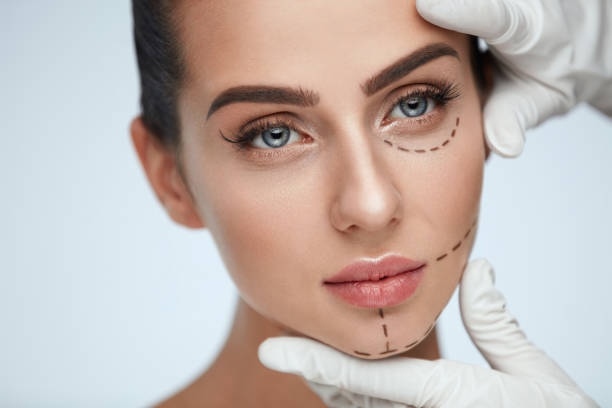
Under-eye fillers are a popular non-surgical cosmetic treatment designed to improve hollow areas beneath the eyes, soften shadows, and create a more refreshed appearance. However, although many people can undergo this treatment safely when properly assessed, it is not suitable for everyone. Individual anatomy, medical history, skin condition, and the cause of under-eye concerns all influence whether fillers are an appropriate choice. If you are considering Under Eye Fillers in Riyadh, understanding the safety considerations can help you make an informed decision and establish realistic expectations.
The area beneath the eyes has thin skin and delicate structures that require careful assessment and precise injection techniques. Fillers may help address volume loss, but they cannot correct every cause of dark circles, puffiness, or loose skin. Before choosing Under Eye Fillers in Riyadh, it is important to consult a qualified medical professional who can evaluate your concerns, review your health history, explain potential complications, and recommend a suitable treatment plan based on your individual needs.
Are Under-Eye Fillers Generally Safe?
Under-eye fillers can be appropriate for selected patients when administered by a suitably qualified and experienced medical professional. Hyaluronic acid-based fillers are commonly used because they can restore volume and, when clinically appropriate, may be dissolved using an enzyme called hyaluronidase. However, dissolving filler is not guaranteed to resolve every complication, and treatment itself carries risks.
Common temporary side effects include swelling, bruising, redness, tenderness, and unevenness. Less common complications include persistent puffiness, lumps, inflammatory reactions, and infection. Rare but serious complications involve blood vessel obstruction, which can damage skin tissue and, in exceptional cases, affect vision.
Safety depends on careful patient selection, appropriate product choice, precise technique, and prompt management of complications. No injectable treatment is entirely risk-free.
Who May Be a Suitable Candidate for Under-Eye Fillers?
People With Hollow Under-Eye Areas
People with noticeable hollows caused by volume loss may benefit from filler treatment after a professional assessment. Carefully placed filler can soften the transition between the lower eyelid and cheek, reducing shadows that make the face appear tired.
However, not all hollows require filler. Your practitioner should assess your facial structure and determine whether treatment is likely to provide a natural-looking improvement.
People With Realistic Expectations
A suitable candidate understands that fillers can improve selected concerns but cannot completely transform the eye area or stop the natural ageing process. Results vary according to anatomy, product selection, and individual response.
During your consultation, discuss the outcome you hope to achieve and ask about the limitations of treatment. A responsible practitioner will explain when fillers may not provide the result you want.
People Who Can Follow Aftercare Instructions
Candidates should be willing to follow post-treatment advice and attend recommended follow-up appointments. Knowing how to manage common side effects and recognise warning signs is an important part of receiving injectable treatment safely.
Who Should Avoid or Postpone Under-Eye Fillers?
People With an Active Infection or Skin Inflammation
Treatment should generally be postponed if there is an active infection, significant irritation, or inflammation near the planned injection site. Injecting into affected tissue may increase the risk of complications. Your practitioner can advise when it is appropriate to reconsider treatment.
People With Certain Medical Conditions
Some medical conditions may affect healing, bleeding, immune responses, or the risk associated with injectable procedures. Your practitioner needs to review your medical history and determine whether treatment is appropriate or whether additional medical advice is required.
Having a medical condition does not automatically mean that fillers are unsuitable, but it should be discussed before proceeding.
People With a History of Allergic Reactions
Tell your practitioner about any previous allergic reactions to dermal fillers, injectable medicines, or other relevant substances. Although severe allergic reactions are uncommon, your history may influence product selection and whether treatment is advisable.
People Who Are Pregnant or Breastfeeding
Elective cosmetic filler treatments are generally postponed during pregnancy and breastfeeding because adequate safety evidence is limited. Discuss any plans for treatment with an appropriate healthcare professional and wait until you receive suitable advice.
People With Significant Under-Eye Bags or Fluid Retention
Under-eye fillers may not be the best option for people whose main concern is prominent eye bags or persistent swelling. In some cases, filler can worsen puffiness because certain products attract water or affect fluid movement in the area.
A professional assessment can help distinguish volume loss from fat prominence, loose skin, and fluid retention. Other treatments or no treatment may be more appropriate, depending on the underlying cause.
What Factors Should Be Evaluated Before Treatment?
Before recommending fillers, a qualified practitioner should examine the under-eye area, review your medical history, and discuss previous cosmetic procedures. They should also consider skin thickness, facial anatomy, existing swelling, allergies, and medications that may affect bruising or bleeding.
You should receive a clear explanation of the proposed product, expected results, potential side effects, alternatives, and aftercare. Ask how complications would be managed and what emergency arrangements are available.
Do not stop prescribed medication without advice from the healthcare professional responsible for your care. If your concerns have not been adequately addressed, take time to seek further guidance before deciding.
How Can You Make Under-Eye Filler Treatment Safer?
Although risks cannot be eliminated entirely, you can take several precautions:
-
Choose an appropriately licensed medical professional with specific experience treating the under-eye area.
-
Provide accurate information about your health, medications, allergies, and previous filler treatments.
-
Ask about the filler being used and why it is appropriate for your anatomy.
-
Follow the aftercare instructions provided by your practitioner.
-
Attend follow-up appointments if recommended.
-
Seek prompt assessment for unexpected or persistent symptoms.
Seek emergency medical attention immediately if you experience vision changes, severe or increasing pain, or unusual pale, dusky, or mottled skin discolouration after treatment. These may be signs of a serious vascular complication and should never be ignored.
Book Your Consultation at Royal Clinic Saudia
If you are considering Under Eye Fillers in Riyadh, a personalised consultation can help you determine whether this treatment is appropriate for your concerns and medical history. At Royal Clinic Saudia, you can discuss your aesthetic goals, understand the potential benefits and risks, and explore suitable options with a qualified practitioner. Make an informed decision based on professional assessment rather than assuming fillers are right for everyone.
FAQs:
Are under-eye fillers safe for all skin types?
Skin type alone does not determine suitability. Your facial anatomy, skin condition, medical history, and the cause of your under-eye concern are important factors in deciding whether fillers are appropriate.
Can people with dark circles get under-eye fillers?
Some people with dark circles caused by hollows and volume loss may benefit. However, dark circles caused by pigmentation, visible blood vessels, allergies, or other factors may not improve with fillers. A professional assessment can help identify the cause.
Should I get under-eye fillers if I already have puffy eyes?
Not necessarily. Fillers may worsen existing puffiness in some people, particularly when fluid retention or prominent under-eye fat is the main concern. A qualified practitioner can discuss more suitable alternatives.
What are the warning signs of a serious filler complication?
Vision changes, severe or increasing pain, and unusual skin discolouration require immediate emergency medical attention. Persistent swelling, increasing redness, warmth, or unexpected lumps should also be assessed promptly by a medical professional.

 English
 Arabic
 French
 Portuguese
 Deutsch
 Turkish
 Dutch
 Italiano
 Russian
 Romaian
 Portuguese (Brazil)
 Greek