


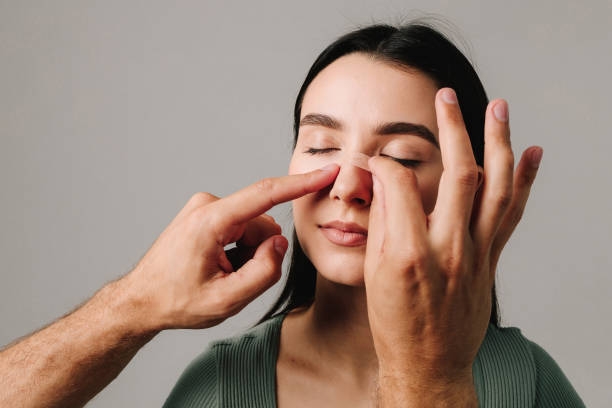
Many people assume rhinoplasty is purely cosmetic. Many assume septoplasty is purely medical. In reality, the two are frequently performed together, and understanding why helps patients make better decisions. Rhinoplasty in Riyadh If you struggle to breathe through your nose and also dislike its appearance, addressing both in one procedure is often more efficient and more satisfying than treating them separately. If you're considering a Rhinoplasty in Riyadh, here's what you should understand about combining it with septoplasty.
What Each Procedure Does
Rhinoplasty
Rhinoplasty reshapes the external nose. It can reduce a dorsal hump, refine the tip, narrow the bridge, correct asymmetry, and improve overall facial harmony. It's primarily an aesthetic procedure, though it can also affect function.
Septoplasty
Septoplasty corrects a deviated nasal septum, the wall of cartilage and bone dividing the two nostrils. When this wall is crooked, it can block airflow on one or both sides. Septoplasty is a functional procedure aimed at improving breathing.
Why They're Different
Rhinoplasty works on the outside of the nose. Septoplasty works on the inside. They address different structures and different concerns, which is why they're considered separate procedures even when performed together.
Why They're Often Combined
Overlapping Anatomy
The septum supports the external nose. Changing one affects the other, so surgeons often address both together for better structural stability.
One Recovery Period
Combining procedures means one anaesthesia session, one hospital stay, and one recovery period rather than two.
Better Functional and Aesthetic Outcomes
Addressing breathing and appearance together produces a result that looks good and works well. Treating only one may leave the other unresolved.
Cost Efficiency
Combining procedures typically reduces shared costs like facility and anaesthesia fees compared to scheduling them separately.
Structural Support
Septal cartilage is often used as graft material during rhinoplasty. Accessing it during the same procedure is efficient and can improve structural support. People searching for rhinoplasty riyadh price should ask whether septoplasty is included when medically necessary.
What the Combined Procedure Involves
Consultation and Assessment
Your surgeon evaluates both external appearance and internal structure. Breathing function is assessed alongside aesthetic concerns.
Imaging and Documentation
Standardised photographs document external appearance. Internal examination identifies septal deviation and other structural issues.
Anaesthesia
Combined procedures typically require general anaesthesia.
Surgical Approach
The surgeon may use an open or closed approach externally while addressing the septum internally through the nostrils.
Graft Harvesting
Septal cartilage may be harvested during the procedure and used for structural grafting, which is often necessary for natural, lasting results.
Closing and Splinting
Splints may be placed both externally and internally depending on the techniques used.
Session Duration
Combined procedures take longer than either alone, typically one to three hours depending on complexity.
What to Expect During Recovery
Nasal Packing
Some surgeons place packing inside the nose. This is usually removed within a day or two and can feel uncomfortable while in place.
Breathing Difficulty Initially
Swelling, splints, and packing make nasal breathing difficult at first. Most patients breathe through their mouth during the first week.
External Splint
A splint or cast is usually applied over the bridge and typically stays in place for about five to seven days.
Swelling and Bruising
Both are expected and peak within the first 48 to 72 hours. Bruising under the eyes is common.
Healing Timeline
External swelling resolves over weeks, with final results emerging around twelve months. Internal healing also takes time, and breathing typically improves as swelling subsides.
Functional Improvement
Many patients notice improved breathing within weeks, though full benefit may take longer as internal swelling resolves.
Benefits of Combining Procedures
Improved Breathing
Correcting septal deviation addresses obstruction, which can improve sleep quality, exercise tolerance, and daily comfort.
Better Appearance
Reshaping the external nose improves facial harmony.
Structural Stability
Septal cartilage used for grafting improves the durability and naturalness of results.
Single Recovery
One recovery period rather than two saves time and disruption.
Coordinated Planning
Your surgeon can plan external changes with internal structure in mind, producing a more cohesive result.
Risks and Considerations
Increased Surgical Time
Combined procedures take longer, which increases anaesthesia exposure.
Higher Complexity
Addressing both structure and appearance requires greater surgical skill and planning.
Bleeding and Infection
Any surgery carries these risks. Combined procedures may have slightly higher rates than either alone.
Septal Perforation
A hole in the septum can develop from surgery. Small perforations may cause whistling or crusting; larger ones may need repair.
Persistent Obstruction
Some patients continue to experience breathing difficulty after surgery, particularly if healing produces scar tissue.
Revision Risk
Both aesthetic and functional concerns may occasionally require revision. This is uncommon but possible.
Realistic Expectations
Breathing usually improves, but not always perfectly. Appearance improves, but perfection isn't achievable. A Rhinoplasty in Riyadh consultation should include honest discussion of both.
Who Is a Suitable Candidate
Patients With Both Concerns
If you have breathing difficulty and aesthetic concerns, combining procedures may be ideal.
Those With a Deviated Septum
Septal deviation is the most common reason for functional obstruction. Correction is often straightforward when performed alongside rhinoplasty.
Patients in Good Health
Stable health, controlled medical conditions, and non-smoking status improve outcomes.
Those With Realistic Expectations
Understanding that improvement, not perfection, is the goal prevents disappointment.
Patients Without Active Infection
Any active sinus or nasal infection should be resolved before surgery.
Questions to Ask During Consultation
About Candidacy
"Do I have septal deviation that would benefit from correction?"
About Approach
"Will you perform both procedures together, and why?"
About Grafts
"Will you use septal cartilage for grafting, and how does that affect my result?"
About Function
"How much breathing improvement can I realistically expect?"
About Recovery
"What does recovery look like for combined procedures?"
About Risks
"What complications are possible, and how are they managed?"
About Cost
"Does the quoted cost include septoplasty if it's medically necessary?"
What to Avoid
Assuming Rhinoplasty Alone Fixes Breathing
Aesthetic changes don't always resolve obstruction. Septal correction is often necessary.
Assuming Septoplasty Alone Fixes Appearance
Functional surgery doesn't reshape the external nose. If appearance bothers you, rhinoplasty is needed.
Choosing Based on Price Alone
Combined procedures require significant skill. Cheap surgery often costs more in the long run.
Skipping Functional Assessment
If breathing isn't assessed, underlying issues may go unaddressed.
Rushing the Decision
Take time to understand both procedures and how they interact.
Book an Appointment Consultation Clinic
For those seeking expert guidance and customized aesthetic care, you can book an appointment consultation at the Enfield Royal Riyadh. A personalised consultation assesses both functional and aesthetic concerns and helps you plan appropriately.
FAQs
What's the difference between rhinoplasty and septoplasty?
Rhinoplasty reshapes the external nose for appearance. Septoplasty corrects a deviated septum inside the nose to improve breathing.
Can rhinoplasty and septoplasty be done together?
Yes, and they often are. Combining them addresses both appearance and function in one procedure with a single recovery.
Does septoplasty change the appearance of my nose?
Usually not significantly. It addresses internal structure. If you want external changes, rhinoplasty is needed.
Will my breathing improve after combined surgery?
Most patients experience improved breathing, though results vary and full benefit may take weeks as swelling resolves.
Is combined surgery riskier than either alone?
It takes longer and is more complex, which slightly increases risk. A qualified surgeon will assess whether combining is appropriate for you.

 English
 French
 Spanish
 Portuguese
 Deutsch
 Turkish
 Dutch
 Italiano
 Russian
 Romaian
 Portuguese (Brazil)
 Greek