


What Are the Possible Risks and Side Effects of Rhinoplasty?
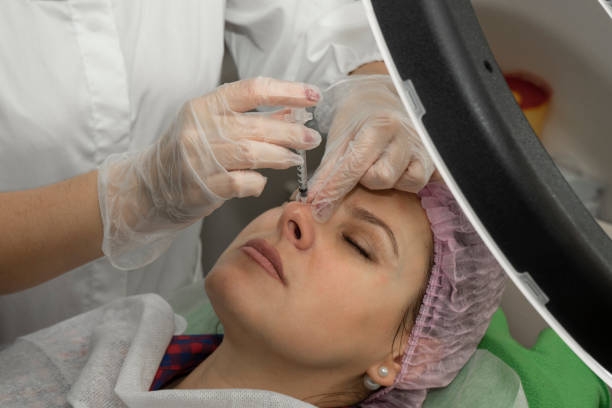
Rhinoplasty is a surgical procedure that reshapes the nose to improve facial harmony, refine specific features, or address structural problems that affect breathing. Although many patients undergo the procedure successfully, it is important to understand the possible side effects, risks, and recovery challenges before making a decision. Patients considering Rhinoplasty in Riyadh (عملية تجميل الانف في الرياض) should learn about the potential complications, discuss their medical history with a qualified surgeon, and understand what to expect during healing. Being informed helps patients make realistic decisions and prepare for the procedure responsibly.
Like any surgery, rhinoplasty carries some risks, including bleeding, infection, reactions to anesthesia, and changes in sensation. Temporary swelling, bruising, congestion, and discomfort are common during recovery, while more serious complications are less common but possible. The likelihood of specific problems varies according to the patient's health, nasal anatomy, surgical complexity, and individual healing response.
What Are the Common Side Effects of Rhinoplasty?
Most side effects occur during the initial recovery period and gradually improve as the nose heals. Your surgeon should explain which symptoms are expected and how to manage them safely.
Swelling and Bruising
Swelling is one of the most common effects after rhinoplasty. The nose may initially appear wider, fuller, or less defined than expected. Bruising can also develop around the nose and eyes, particularly during the first week.
These changes generally improve over time, although mild swelling can persist for several months, especially around the nasal tip. Patients should avoid judging the final appearance too early because the nose needs time to settle.
Pain and Discomfort
Mild soreness, tenderness, pressure, or a feeling of tightness may occur after surgery. The level of discomfort varies between individuals and depends on the extent of the procedure. Prescribed or recommended medication, rest, and following postoperative instructions can help manage symptoms.
Severe or worsening pain should not automatically be considered a normal part of recovery. Contact your surgeon if discomfort becomes unusually intense or is accompanied by other concerning symptoms.
Nasal Congestion and Difficulty Breathing
Swelling inside the nose can temporarily make breathing through the nostrils difficult. Some patients may also have internal splints or dressings that contribute to congestion. This usually improves as healing progresses.
If breathing becomes significantly worse, or if you experience sudden or severe breathing difficulties, seek prompt medical assessment.
Temporary Numbness and Changes in Sensation
Some patients experience temporary numbness or altered sensation around the nasal tip, upper lip, or surrounding tissues. These changes may improve gradually as the nerves recover. Persistent or worsening changes should be discussed with the treating surgeon.
What Are the Potential Risks and Complications of Rhinoplasty?
Although many side effects are temporary, rhinoplasty can also involve complications that require medical attention or further treatment.
Bleeding
Some bleeding or blood-stained drainage may occur shortly after surgery. Heavy, persistent, or increasing bleeding requires prompt medical assessment. Patients should follow instructions about activity restrictions and avoid blowing their nose until their surgeon permits it.
Infection
Infection is a possible complication of any surgical procedure, although it is not common. Warning signs may include increasing redness, worsening pain, fever, unusual discharge, or swelling that becomes progressively worse instead of improving.
Contact your medical team if you notice these symptoms. Early assessment allows the surgeon to determine whether treatment is necessary.
Scarring
Rhinoplasty can involve incisions inside the nostrils or, in open rhinoplasty, a small incision across the tissue between them. Visible scarring is generally limited, and an external incision often becomes less noticeable as it heals. However, scar appearance varies, and some patients may develop more noticeable scars or delayed wound healing.
Anesthesia-Related Complications
Rhinoplasty may be performed under general anesthesia, depending on the surgical plan. Anesthesia can cause side effects such as nausea or vomiting, while serious reactions are uncommon. Your medical team will review your health, medications, and relevant medical history to assess risks and plan appropriate monitoring.
Can Rhinoplasty Affect Breathing or the Shape of the Nose?
Rhinoplasty may improve breathing when structural problems are appropriately treated. However, changes to the nasal framework can sometimes create functional or aesthetic concerns.
Persistent or New Breathing Problems
In some cases, postoperative swelling, internal scarring, or structural changes can contribute to nasal obstruction. Patients may experience persistent congestion or difficulty breathing through one or both nostrils. Inform your surgeon if breathing does not improve as expected.
Asymmetry or Unsatisfactory Cosmetic Results
The nose may heal unevenly, and the final result may not perfectly match the patient's expectations. Residual asymmetry, contour irregularities, or changes in nasal tip definition can occur. Because healing takes time, early swelling should be distinguished from a lasting concern by a qualified surgeon.
Need for Revision Surgery
Some patients may require additional surgery if the result is unsatisfactory, a complication develops, or breathing problems persist. Revision procedures can be more complex than the initial operation and may involve additional recovery time. Further surgery should be considered only after appropriate evaluation and sufficient healing.
What Factors Can Increase the Risks of Rhinoplasty?
The risks of rhinoplasty vary from patient to patient. Certain factors may influence surgical planning, healing, and the likelihood of complications.
Existing Medical Conditions
Some health conditions, bleeding disorders, allergies, or medications can affect surgical safety and recovery. Patients should provide an accurate medical history and discuss all prescription medications, over-the-counter medicines, and supplements with their healthcare team. Do not stop prescribed medication without medical advice.
Smoking and Healing
Smoking and nicotine exposure can interfere with blood circulation and wound healing. Patients should discuss smoking cessation and appropriate timing with their surgeon before surgery and throughout recovery.
Surgical Complexity and Previous Procedures
Extensive reshaping or revision rhinoplasty may present additional technical challenges. Previous surgery can change the nasal structures and create scar tissue, which may affect the approach and healing process.
Choosing a suitably qualified surgeon and an appropriately equipped surgical facility is an important part of risk reduction.
How Can You Reduce the Risks of Rhinoplasty?
Although no surgery is completely risk-free, careful preparation and aftercare can help reduce avoidable problems.
-
Choose a qualified surgeon with appropriate training and experience in rhinoplasty.
-
Share your complete medical history, allergies, medications, and previous surgical history.
-
Follow all preoperative instructions, including guidance about fasting and medication.
-
Arrange appropriate transportation and support after surgery.
-
Keep follow-up appointments and follow wound-care instructions carefully.
-
Avoid strenuous activity and protect your nose from accidental impact during recovery.
-
Contact your surgeon promptly if symptoms are unusual or become worse.
Patients considering Rhinoplasty in Riyadh should use their consultation to ask about the specific risks associated with their anatomy, treatment goals, and proposed surgical technique.
When Should You Seek Medical Attention After Rhinoplasty?
Some swelling, bruising, congestion, and mild discomfort are expected after surgery. However, certain symptoms should not be ignored. Seek urgent medical attention for sudden vision changes, severe difficulty breathing, or heavy bleeding. Contact your surgeon promptly if you develop fever, increasing redness, unusual discharge, severe or worsening pain, or swelling that suddenly increases.
Following professional advice and reporting concerning symptoms early can help ensure that potential complications are assessed and treated appropriately.
Book Your Rhinoplasty Consultation at Royal Clinic Saudia
Understanding the possible risks and side effects is an essential part of making an informed decision about nose surgery. At Royal Clinic Saudia (عيادات رويال كلينك), patients can discuss their concerns, explore suitable treatment options, and learn about preparation, recovery, and potential complications. Schedule a consultation to receive an individualized assessment and understand which approach may be appropriate for your needs.
FAQs:
Is rhinoplasty a safe procedure?
Rhinoplasty is commonly performed, but it is not risk-free. Safety depends on factors such as the patient's health, the surgeon's qualifications, the surgical plan, and appropriate postoperative care.
What are the most common side effects after rhinoplasty?
Common side effects include swelling, bruising, nasal congestion, tenderness, and temporary changes in sensation. These usually improve as healing progresses.
Can rhinoplasty cause permanent breathing problems?
Persistent breathing problems are possible but are not inevitable. Structural changes, internal scarring, or other complications may affect airflow, so ongoing breathing difficulties should be evaluated by the surgeon.
Can rhinoplasty complications require another surgery?
Yes. Some patients may need revision surgery to address persistent functional problems, structural irregularities, or an unsatisfactory result. The need for further treatment can only be determined after a proper medical assessment.

 English
 Arabic
 French
 Spanish
 Portuguese
 Turkish
 Dutch
 Italiano
 Russian
 Romaian
 Portuguese (Brazil)
 Greek