


How to Reduce Swelling After Liposuction Surgery
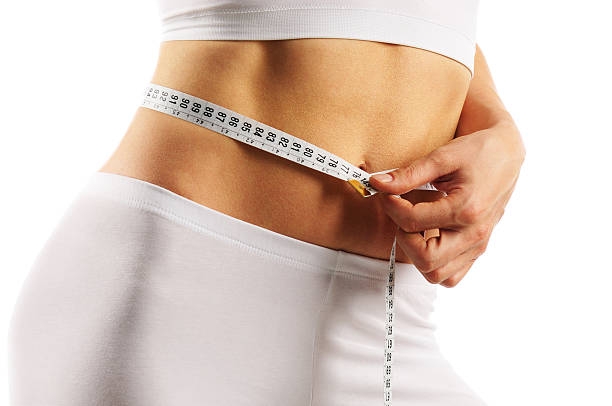
Swelling is a normal part of recovery after liposuction surgery. The procedure removes unwanted fat from beneath the skin, and the surrounding tissues need time to heal. Temporary inflammation, fluid retention, and bruising can make treated areas appear larger or feel firmer during the first few weeks. Patients considering Best Liposuction in Riyadh should understand that swelling usually improves gradually, and following appropriate aftercare instructions can support healing and help reveal the final body contours.
The amount of swelling varies depending on the treatment area, surgical technique, amount of fat removed, and individual healing response. Some patients notice improvement within a few weeks, while residual swelling may persist for several months. Although you cannot eliminate swelling immediately, you can take practical steps to manage discomfort, protect the treated areas, and support a smoother recovery.
Why Does Swelling Occur After Liposuction?
Liposuction involves inserting a thin tube called a cannula beneath the skin to remove fat. This process affects the surrounding tissues and triggers a natural inflammatory response. Fluid may temporarily collect in the treated area, causing swelling, tenderness, and a feeling of tightness.
Swelling may be more noticeable when several body areas are treated during one session. The abdomen, thighs, hips, arms, and back can all experience temporary changes as healing progresses. Wearing compression garments and following your surgeon's recommendations can help manage these effects.
It is important to remember that early swelling does not necessarily indicate an unsuccessful procedure. The final contours become clearer as inflammation settles and the tissues recover.
Wear Your Compression Garment as Directed
Compression garments are commonly recommended after liposuction to provide support to the treated areas. They apply gentle, consistent pressure that may help control swelling, support the tissues, and improve comfort during recovery.
Your surgeon will explain which garment to use, how it should fit, and how long to wear it. Avoid choosing a garment that is excessively tight, as too much pressure can cause discomfort, skin irritation, or circulation problems. If you experience increasing pain, numbness, skin discoloration, or difficulty breathing while wearing compression, seek medical advice promptly.
Do not stop wearing your garment earlier than advised simply because the swelling has improved. Your recovery plan should be based on your surgeon's assessment.
Stay Hydrated and Eat Balanced Meals
Adequate hydration supports normal bodily functions during recovery. Drink water regularly unless your medical team has instructed you to restrict fluids for a health reason. There is no need to force excessive amounts of water, as more is not always better.
A balanced diet can also support tissue healing. Include protein-rich foods, vegetables, fruits, and other nutrient-dense options. Foods containing vitamin C, zinc, and other essential nutrients can contribute to normal wound healing when consumed as part of a balanced diet.
Try to limit excessive salt intake if it contributes to fluid retention. Avoid crash diets or restrictive eating plans during recovery, because your body needs sufficient energy and nutrients to heal. Do not begin supplements marketed for swelling reduction without checking with your clinician.
Walk Gently and Avoid Strenuous Exercise
Gentle movement is generally encouraged after liposuction because it helps maintain circulation and reduces the risks associated with prolonged inactivity. Short, easy walks may be recommended soon after surgery, depending on your condition and your surgeon's instructions.
However, strenuous exercise, heavy lifting, intense workouts, and activities that place pressure on the treated areas should be avoided until your surgeon approves them. Returning to exercise too early may increase discomfort or interfere with healing.
Gradually increase your activity according to your recovery plan. If movement causes significant pain, stop and ask your medical team for guidance.
Get Enough Rest and Support Your Body
Rest is an important part of recovery. Your body needs time to repair tissues, manage inflammation, and adjust to the changes caused by fat removal. Aim for consistent sleep and avoid activities that leave you excessively tired during the early recovery period.
Depending on the area treated, your surgeon may recommend a particular sleeping position to reduce pressure on the surgical sites. For example, you may be advised to avoid lying directly on a treated area if doing so causes discomfort. Follow your surgeon's specific instructions rather than applying a general positioning rule to every procedure.
Avoid smoking and nicotine products during recovery, as they can interfere with healing and increase the risk of complications.
Can Lymphatic Drainage Massage Reduce Swelling?
Manual lymphatic drainage is a gentle massage technique sometimes used after cosmetic surgery to encourage movement of fluid through the lymphatic system. Some surgeons recommend it for selected patients, but it is not necessary or appropriate for everyone, and the evidence for its benefits after liposuction is variable.
Do not begin massage immediately after surgery without your surgeon's approval. The timing, technique, and pressure matter, particularly while incisions and underlying tissues are healing. Deep tissue massage or forceful pressure may cause pain or harm recovering tissues.
If your surgeon recommends lymphatic drainage, choose a suitably trained practitioner who understands postoperative care and will follow the medical team's instructions.
How Long Does Swelling Last After Liposuction?
Swelling typically changes throughout recovery rather than disappearing all at once. During the first several days, swelling and bruising may be prominent. Over the following weeks, these effects generally begin to decrease, although treated areas may remain firm, tender, or uneven while healing continues.
Some residual swelling can last for several months, and the final contours may take time to become apparent. The timeline depends on the extent of treatment, the areas involved, and individual healing.
People researching Best Liposuction in Riyadh should discuss realistic recovery expectations before surgery. Comparing your progress with someone else's recovery may be misleading because every patient heals differently.
When Should You Contact Your Surgeon?
Although swelling is expected after liposuction, sudden or unusual changes should not be ignored. Contact your medical team promptly if you notice rapidly increasing swelling, worsening pain, spreading redness, fever, unusual discharge, or significant swelling on one side.
Seek emergency medical attention for chest pain, sudden difficulty breathing, fainting, or coughing up blood. These symptoms may indicate a serious complication and should never be managed with home remedies.
If swelling is not improving as expected, or you develop a new lump or fluid-filled area, your surgeon can assess whether further evaluation or treatment is needed.
Book Your Consultation at Royal Clinic Saudia
Proper aftercare can make recovery more manageable after liposuction. Royal Clinic Saudia can provide guidance on compression garments, activity restrictions, follow-up appointments, and other recovery considerations based on your individual treatment plan. Arrange a consultation to discuss your body-contouring goals and learn what to expect before and after surgery.
FAQs:
Is swelling normal after liposuction?
Yes, swelling is a common part of the healing process. It generally decreases gradually over several weeks, although some residual swelling can last for months.
Does drinking more water help reduce swelling after liposuction?
Maintaining normal hydration supports overall recovery, but drinking excessive amounts of water will not necessarily reduce swelling faster. Follow your medical team's fluid recommendations, especially if you have a condition that requires fluid restriction.
Can I massage swollen areas after liposuction?
Only if your surgeon approves it. Gentle lymphatic drainage may be recommended for selected patients, but deep or forceful massage can be inappropriate during healing.
When can I return to exercise after liposuction?
The timing depends on the extent of surgery and your recovery. Gentle walking may be encouraged early, while strenuous exercise and heavy lifting should wait until your surgeon confirms they are safe.

 English
 Arabic
 Spanish
 Portuguese
 Deutsch
 Turkish
 Dutch
Dutch
 Italiano
 Russian
 Romaian
 Portuguese (Brazil)
 Greek
Greek