


Can a Facelift Reduce Deep Wrinkles and Fine Lines?
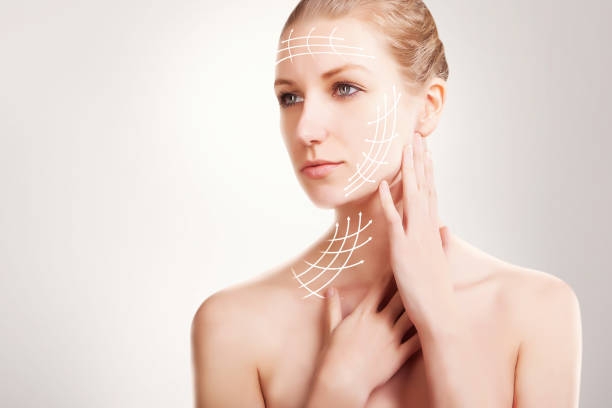
Wrinkles and fine lines are common signs of aging that develop as the skin gradually loses collagen, elasticity, and natural volume. While fine lines may initially appear around the eyes and mouth, deeper wrinkles can become more noticeable as facial tissues lose firmness and begin to sag. A facelift is a cosmetic surgical procedure that can improve certain age-related changes by repositioning underlying tissues and removing excess skin. For individuals considering Facelift in Riyadh, understanding which wrinkles a facelift can improve and which may require alternative treatments is essential for setting realistic expectations. The best approach depends on skin quality, facial anatomy, the depth of wrinkles, and individual aesthetic goals.
What Causes Deep Wrinkles and Fine Lines?
Wrinkles develop through a combination of natural aging and external influences. As collagen and elastin decline, the skin becomes less firm and flexible. Repeated facial movements can contribute to expression lines, while sun exposure can accelerate changes in skin texture and elasticity.
Other factors include genetics, smoking, dehydration, and changes in facial fat distribution. Fine lines may become more visible when the skin loses moisture or elasticity, while deeper folds can develop as supporting tissues shift and facial volume changes. Identifying the main cause of wrinkles helps determine which treatment is likely to provide the most suitable improvement.
How Does a Facelift Work?
A facelift, also known as rhytidectomy, is designed primarily to address sagging skin and changes in facial contours, especially around the cheeks, lower face, and jawline. During surgery, the surgeon may reposition underlying tissues, adjust excess skin, and create a smoother facial outline.
Although a facelift can soften certain deep folds, it is not a treatment for every type of wrinkle. Its main purpose is to improve tissue position and facial sagging rather than directly treating surface-level skin damage. Patients should understand this distinction before choosing surgery.
Can a Facelift Reduce Deep Wrinkles?
A facelift may improve the appearance of some deep wrinkles, particularly those associated with sagging facial tissues. For example, folds around the nose and mouth may become less pronounced when surrounding tissues are lifted and repositioned. Loose skin along the lower face may also be reduced, helping create a firmer and more refreshed appearance.
However, deep wrinkles may not disappear completely. The outcome depends on the depth of the folds, skin elasticity, facial structure, and the surgical technique. Some wrinkles are caused mainly by repeated muscle movements, sun damage, or volume loss and may require additional or alternative treatments.
Can a Facelift Remove Fine Lines?
Fine lines are often caused by changes in skin texture, reduced elasticity, and repeated facial expressions. Because a facelift focuses on deeper tissues and excess skin, it may not significantly improve fine lines caused by surface-level skin damage.
Patients who are mainly concerned about fine lines around the eyes, forehead, or lips may benefit from a different treatment plan. Depending on the cause, options may include medical-grade skincare, selected laser treatments, chemical peels, or other procedures recommended by a qualified professional. A personalized assessment helps determine whether one treatment or a combination of approaches is appropriate.
Which Facial Areas Can a Facelift Improve?
Cheeks and Midface
Sagging cheeks can contribute to folds around the nose and mouth. Certain facelift techniques may reposition underlying tissues, helping soften these folds and improve cheek contours. The amount of improvement varies between individuals.
Jawline and Lower Face
Loose skin and jowls can make the lower face appear heavier and less defined. A facelift can address these changes by improving tissue position and removing excess skin when appropriate. This may create a smoother contour around the jawline.
Mouth and Nasolabial Folds
Nasolabial folds extend from the sides of the nose toward the corners of the mouth. These folds can become more prominent with age, but their causes vary. A facelift may soften them when sagging contributes to their appearance, although folds related to facial structure or volume loss may remain.
Forehead and Around the Eyes
A traditional facelift generally does not directly address forehead wrinkles or many fine lines around the eyes. Other procedures, such as a brow lift or eyelid surgery, may be considered for specific concerns. The appropriate option depends on the location and cause of the changes.
Facelift vs. Nonsurgical Treatments for Wrinkles
The best treatment depends on whether wrinkles result primarily from sagging, muscle activity, volume loss, or surface-level skin damage.
A facelift may be more suitable for significant sagging, loose skin, and jowls. Botulinum toxin injections may help reduce certain expression lines caused by muscle movement, while dermal fillers may address selected volume-related folds. Laser treatments and other skin-resurfacing procedures can improve some fine lines and uneven skin texture.
These treatments are not interchangeable, and each has its own benefits, limitations, and risks. Some patients may benefit from a carefully planned combination, but procedures should only be combined when clinically appropriate. A qualified practitioner can explain the available options and help establish realistic goals.
What Results Can You Expect From a Facelift?
After surgery, the face may look firmer, with improved jawline definition and less prominent sagging. Some deep folds may soften, creating a refreshed appearance. However, results vary according to the patient's anatomy, the degree of aging, the surgical technique, and the healing process.
Swelling and bruising are common during the early recovery period and may initially obscure improvements. Facial contours generally become clearer as swelling subsides, although complete healing can take several months. A facelift does not stop natural aging, and some wrinkles will remain even after a successful procedure.
Who Is a Good Candidate for a Facelift?
Adults who are concerned about sagging cheeks, jowls, loose skin, and deeper folds associated with facial descent may be suitable candidates. Good candidates should be in appropriate overall health, understand the possible risks, and have realistic expectations about the outcome.
People whose primary concern is fine lines, pigmentation, or rough skin texture may be better suited to nonsurgical treatments. Before surgery, patients should discuss their medical history, medications, supplements, previous procedures, and nicotine use with their surgeon. This information helps the healthcare team evaluate suitability and plan safer care.
Considering Facelift in Riyadh
If you are exploring Facelift in Riyadh, choose a qualified plastic surgeon who can explain which wrinkles are likely to improve with surgery and which may require another treatment. During a consultation, discuss your main concerns, expected results, incision placement, recovery requirements, and potential complications. Reviewing appropriate before-and-after photographs may also help you understand the range of possible outcomes without assuming that your results will be identical.
Book a Consultation at Royal Clinic Saudia
Royal Clinic Saudia can be a starting point for discussing facial rejuvenation goals and exploring suitable treatment options. A consultation can help you understand whether a facelift may improve your concerns about deep wrinkles and sagging skin or whether another procedure may be more appropriate. Individualized advice supports informed decisions based on your facial features, health, and expectations.
FAQs:
Can a facelift completely remove deep wrinkles?
A facelift can soften some deep folds associated with sagging tissues, but it usually does not eliminate every wrinkle. Results depend on the depth of the folds, skin quality, facial anatomy, and surgical technique.
Is a facelift effective for fine lines around the eyes?
A traditional facelift does not directly treat most fine lines around the eyes. Depending on the concern, options such as skincare, selected resurfacing treatments, or other procedures may be more appropriate.
What is better for wrinkles: a facelift or Botox?
The choice depends on the type of wrinkle. A facelift addresses sagging and loose skin, while botulinum toxin injections can reduce certain lines caused by repeated muscle movements. A qualified professional can help determine the most suitable treatment.
How long do facelift results last?
Improvements may remain visible for many years, although results vary and natural aging continues after surgery. Skin quality, genetics, lifestyle, sun exposure, and the surgical technique can influence how the face changes over time.

 English
 Arabic
 French
 Spanish
 Deutsch
 Turkish
 Dutch
Dutch
 Italiano
 Russian
 Romaian
 Portuguese (Brazil)
 Greek
Greek