


What Are the Possible Risks and Side Effects of Rhinoplasty?
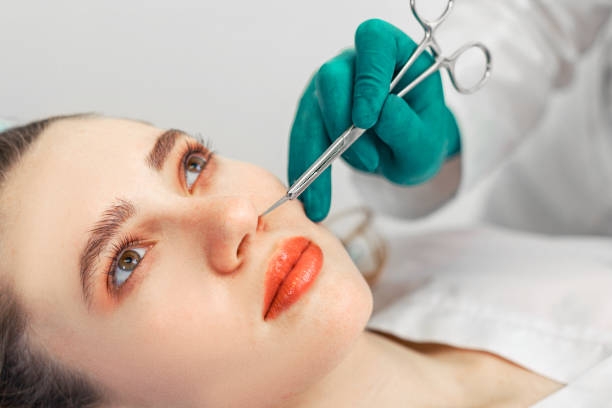
Rhinoplasty is a surgical procedure that reshapes the nose to improve its appearance, address structural concerns, or support better nasal function. Although many patients recover successfully, it is important to understand the possible risks and side effects before deciding to undergo surgery. Knowing what to expect can help patients prepare for recovery and make informed decisions with their surgeon.
People considering Rhinoplasty in Riyadh should discuss their goals, medical history, and concerns with a qualified specialist. Every surgical procedure carries some risk, and the likelihood of complications depends on factors such as individual anatomy, overall health, surgical technique, and postoperative care.
Common Side Effects After Rhinoplasty
Some side effects are expected during the initial healing period. They usually improve gradually as swelling decreases and the tissues recover.
Swelling and Bruising
Swelling around the nose and eyes is common after rhinoplasty. Bruising may also appear beneath the eyes or across the cheeks. These effects generally become less noticeable within the first few weeks, although subtle nasal swelling can persist for several months or longer.
Pain and Tenderness
Patients may experience mild to moderate discomfort, pressure, or tenderness around the nose. The surgeon may recommend appropriate pain relief and instructions to help manage these symptoms safely.
Nasal Congestion
Temporary congestion is common because of swelling inside the nose. Some patients may find breathing through the nose difficult during the early recovery period. Breathing generally improves as swelling subsides, but persistent or worsening obstruction requires medical assessment.
Minor Bleeding and Discharge
A small amount of blood-tinged discharge can occur shortly after surgery. Patients should follow their surgeon’s instructions about nasal care and avoid forceful nose-blowing until cleared to do so.
Possible Risks and Complications of Rhinoplasty
Although serious complications are uncommon, rhinoplasty can involve risks that patients should understand before surgery.
Infection
Infection is a possible complication of any surgery. Warning signs can include increasing redness, worsening pain, fever, unusual discharge, or swelling that becomes more severe instead of improving. Prompt medical evaluation is important if these symptoms occur.
Scarring
Rhinoplasty may involve incisions inside the nose or, in some techniques, across the narrow strip of tissue between the nostrils. External scars are generally designed to be discreet, but their visibility can vary depending on the surgical approach and individual healing.
Changes in Nasal Breathing
Some patients may experience ongoing or new breathing difficulties after surgery. These problems can occur if internal structures are affected, swelling persists, or the nose does not heal as expected. Patients with existing breathing concerns should discuss functional assessment with their surgeon before the procedure.
Asymmetry or Unsatisfactory Appearance
The nose may heal unevenly, leaving differences in shape, contour, or nostril appearance. Results can also differ from the patient’s expectations. Because healing takes time, early swelling should not be mistaken for the final outcome.
Changes in Smell or Sensation
Temporary changes in the sense of smell or reduced sensation around the nose and upper lip may occur. These symptoms often improve during recovery, but persistent changes should be discussed with the treating surgeon.
Anesthesia-Related Complications
Rhinoplasty commonly involves anesthesia, which carries risks such as allergic reactions or breathing and cardiovascular complications. The anesthesia team assesses the patient’s health and medical history to help reduce these risks.
Need for Revision Surgery
Some patients may require another procedure if the result is unsatisfactory, healing creates a structural problem, or breathing difficulties persist. Revision surgery is not always necessary or advisable, and it carries its own risks. Surgeons usually recommend allowing adequate time for healing before assessing the need for further treatment.
What Factors Can Increase the Risk?
Several factors can influence the likelihood of complications:
-
Underlying health conditions: Certain medical conditions may affect anesthesia safety, wound healing, or bleeding risk.
-
Smoking and nicotine use: Nicotine can interfere with circulation and healing. Patients should follow their surgeon’s advice about stopping smoking or nicotine products before and after surgery.
-
Medications and supplements: Some products can increase bleeding risk or interact with anesthesia. Patients should disclose all medications and supplements and should not stop prescribed medication without medical guidance.
-
Surgical complexity: Procedures involving significant structural changes or revision surgery may present additional challenges.
-
Postoperative care: Not following activity restrictions or nasal-care instructions may interfere with recovery.
A detailed consultation helps identify individual risk factors and establish a suitable treatment plan.
How Can You Reduce the Risks of Rhinoplasty?
Choosing a qualified, appropriately trained surgeon is an important first step. Patients should discuss the surgeon’s experience, the proposed technique, realistic results, and possible complications before giving consent.
Before surgery, provide a complete medical history, including previous nasal procedures, allergies, breathing problems, and any medications or supplements. Follow preoperative instructions carefully and arrange support for the first stage of recovery.
After surgery, attend follow-up appointments, protect the nose from impact, avoid strenuous exercise until cleared, and follow instructions about sleeping position, cleaning, and medication. Do not attempt to adjust nasal splints or dressings yourself unless instructed.
Patients researching Rhinoplasty in Riyadh should also ensure that their consultation includes a discussion of both cosmetic goals and nasal function, along with a clear plan for follow-up care.
When Should You Contact Your Surgeon?
Contact your surgeon if you notice worsening pain, increasing swelling, persistent bleeding, fever, unusual discharge, or breathing problems that are not improving. Seek urgent medical attention for heavy bleeding, severe difficulty breathing, chest pain, fainting, or other sudden, serious symptoms.
Keeping scheduled follow-up appointments allows your surgeon to monitor healing and address concerns early.
Consultation at Royal Clinic Saudia
Understanding the possible side effects and complications of rhinoplasty is an essential part of making an informed decision. At Royal Clinic Saudia, patients considering Rhinoplasty in Riyadh can arrange a consultation to discuss their goals, nasal structure, medical history, expected recovery, and individual risks. A specialist can help determine whether surgery is appropriate and explain the available options without guaranteeing a particular result.
FAQs:
Is rhinoplasty a risky surgery?
Rhinoplasty is commonly performed, but it carries risks like any operation, including bleeding, infection, anesthesia complications, changes in breathing, and dissatisfaction with the result. A thorough assessment helps reduce avoidable risks.
How long do side effects last after rhinoplasty?
Bruising and much of the initial swelling often improve within a few weeks. Subtle swelling and changes in nasal definition can continue for several months or a year or longer, depending on the individual and the procedure.
Can rhinoplasty cause permanent breathing problems?
Persistent breathing difficulties are possible, although they do not occur in every patient. Discuss any existing nasal obstruction before surgery and seek medical review if breathing problems continue or worsen afterward.
When should I worry about symptoms after rhinoplasty?
Contact your surgeon about worsening pain, fever, increasing swelling, unusual discharge, or persistent bleeding. Severe breathing difficulty or heavy bleeding requires urgent medical attention.

 English
 Arabic
 French
 Portuguese
 Deutsch
 Turkish
 Dutch
Dutch
 Italiano
 Russian
 Romaian
 Portuguese (Brazil)
 Greek
Greek