


When Can You Return to Work After Rhinoplasty?
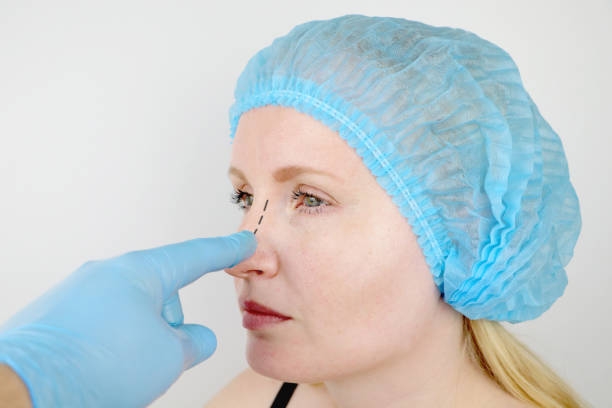
Rhinoplasty is a surgical procedure that reshapes the nose to improve facial balance or address certain structural concerns. One of the most common questions patients ask before Rhinoplasty in Riyadh is how soon they can return to work after surgery. The answer depends on the surgical technique, the amount of swelling and bruising, the physical demands of the job, and the individual's recovery progress.
Many patients can return to desk-based work or other light activities within approximately one to two weeks, provided their surgeon considers it safe. However, jobs involving heavy lifting, strenuous activity, or a risk of facial injury may require a longer recovery period. Planning ahead, following postoperative instructions, and allowing sufficient time for healing can help patients return to their routines more comfortably.
How Soon Can You Return to Work After Rhinoplasty?
The right time to resume work varies from person to person. Your surgeon will consider your recovery, the type of procedure performed, and the demands of your workplace before advising you to return.
Returning to Desk-Based Jobs
People who work at a desk, use a computer, or perform other light duties may be able to return within about one to two weeks. Some may feel ready earlier, while others need additional time because of fatigue, swelling, congestion, or bruising. If your role allows remote work, a gradual return may be more comfortable during the early recovery period.
Returning to Physically Demanding Jobs
Jobs involving heavy lifting, frequent bending, strenuous movement, or exposure to potential facial injuries may require a longer absence. These activities can increase discomfort and may interfere with healing. Discuss your job responsibilities with your surgeon so you can receive a suitable return-to-work recommendation.
Returning to Customer-Facing Roles
People who work directly with customers, clients, or the public may wish to allow extra time for visible bruising and swelling to improve. Although many patients feel well enough to resume routine activities within a couple of weeks, the nose may remain swollen for much longer. Your decision should consider both comfort and the physical requirements of your role.
What Happens During the First Week After Rhinoplasty?
The first week is generally focused on rest, protecting the nose, and attending any scheduled postoperative appointments.
Swelling and Bruising
Swelling around the nose and sometimes the eyes is common after surgery. Bruising may also occur, particularly when changes to the nasal bones are involved. These effects usually improve gradually, but their severity and duration vary.
Nasal Congestion and Discomfort
You may experience nasal blockage, tenderness, and difficulty breathing comfortably through the nose during early healing. A splint or other support may be used to protect the nose. Follow your surgeon's instructions regarding cleaning, medication, and nasal care, and avoid blowing your nose unless your care team says it is safe.
Rest and Follow-Up Care
Plan to rest and avoid unnecessary activity during the initial recovery period. Arrange help with transportation if needed, particularly immediately after anesthesia. Your surgeon may schedule a visit to examine the nose, assess healing, and manage any external splint or stitches.
What Factors Affect Your Return-to-Work Timeline?
Several factors can influence how quickly you feel ready to return to your job.
The Type of Rhinoplasty Performed
The extent of surgery can affect recovery. A procedure involving limited changes may have a different recovery pattern from more extensive reshaping or revision rhinoplasty. If septoplasty is performed alongside rhinoplasty, your recovery plan will account for both functional and cosmetic aspects of the operation.
Your Individual Healing Process
People recover at different rates. Swelling, bruising, fatigue, discomfort, and sleep quality can all influence readiness to work. A return date should be based on your actual recovery rather than another person's experience or a general timeline.
Workplace Conditions
A quiet office environment may be easier to manage than a workplace involving dust, heat, strenuous tasks, or accidental impact risks. If your duties could expose the nose to injury, ask your surgeon about temporary adjustments or additional time off.
Your General Health and Medical History
Overall health, medications, smoking or nicotine use, and other individual factors may influence healing. Share your medical history with your surgical team and follow their recommendations to support recovery.
How Can You Prepare for a Comfortable Return to Work?
Planning before surgery can make the transition back to work more manageable and help you avoid rushing the healing process.
Arrange Adequate Time Off
Discuss your job responsibilities with your surgeon before selecting a surgery date. Allow flexibility in case swelling, bruising, or discomfort lasts longer than expected. If possible, arrange remote work or lighter duties during the first stage of your return.
Follow Postoperative Instructions
Take prescribed medications as directed, protect the nose from pressure or injury, and attend follow-up appointments. Avoid strenuous exercise, heavy lifting, and other restricted activities until your surgeon approves them. Do not change medication or wound-care instructions without professional guidance.
Ease Back Into Your Routine
If your surgeon approves, consider starting with shorter workdays or lighter responsibilities. Take breaks when needed, stay hydrated, and prioritize sleep. Avoid rushing into activities simply because you have returned to work; your nose may still be healing internally.
When Can You Resume Exercise After Rhinoplasty?
Returning to work does not automatically mean you are ready for exercise. Light walking may be encouraged relatively early, depending on your surgeon's instructions, but more demanding activities require caution.
Light Physical Activity
Gentle walking can help you maintain a routine while avoiding unnecessary strain. Follow your surgeon's advice about when to begin and how much activity is appropriate. Stop and seek guidance if an activity causes unusual discomfort or other concerning symptoms.
Strenuous Exercise and Heavy Lifting
Running, weight training, intense workouts, and heavy lifting are often restricted during early recovery because they can increase blood pressure and may worsen swelling or bleeding. The timing for resuming them varies, so obtain clearance from your surgeon.
Contact Sports and Activities With Injury Risk
Sports that involve physical contact or a chance of impact to the nose generally require a longer break. Returning too soon can damage healing structures and compromise the surgical result. Your surgeon should determine when it is safe to resume these activities.
When Should You Delay Returning to Work?
Consider contacting your surgical team if you are still experiencing significant discomfort, worsening swelling, persistent bleeding, or symptoms that make normal activities difficult. Fever, increasing redness, or unusual discharge may indicate a complication and should be assessed promptly. Seek urgent medical attention for heavy bleeding, severe or rapidly worsening symptoms, or significant breathing difficulty.
Do not rely on a planned return date if your recovery is not progressing as expected. Your surgeon can assess your symptoms and advise whether you need additional rest or medical care.
Book a Rhinoplasty Consultation at Royal Clinic Saudia
If you are planning nasal surgery, Royal Clinic Saudia can be a starting point for discussing recovery expectations and arranging a treatment plan suited to your circumstances. A consultation about Rhinoplasty in Riyadh can help you understand the procedure, potential risks, and the likely time away from work based on your job and individual health. Follow your surgeon's personalized guidance before resuming work, exercise, or other routine activities.
FAQs:
Can I return to work three days after rhinoplasty?
Some people may feel capable of light activities after a few days, but three days is often too soon for a comfortable return to normal work. Swelling, bruising, congestion, and fatigue may still be noticeable. Follow your surgeon's advice before returning.
Do I need two weeks off work after rhinoplasty?
Many patients allow approximately one to two weeks for desk-based work, but the right amount of time varies. Physically demanding jobs or more extensive procedures may require a longer absence.
Can I work from home after rhinoplasty?
Remote work may be possible once you feel comfortable and your surgeon considers it appropriate. Rest remains important during early recovery, so avoid taking on a full workload before you feel ready.
When can I return to heavy lifting after rhinoplasty?
Heavy lifting is usually restricted during early healing. The appropriate time to resume it depends on the procedure and your recovery, so ask your surgeon for clearance before returning to strenuous duties.

 English
 Arabic
 French
 Spanish
 Portuguese
 Deutsch
 Turkish
 Dutch
Dutch
 Italiano
 Russian
 Portuguese (Brazil)
 Greek
Greek