


What Role Does Exercise Play in Lipedema Treatment?
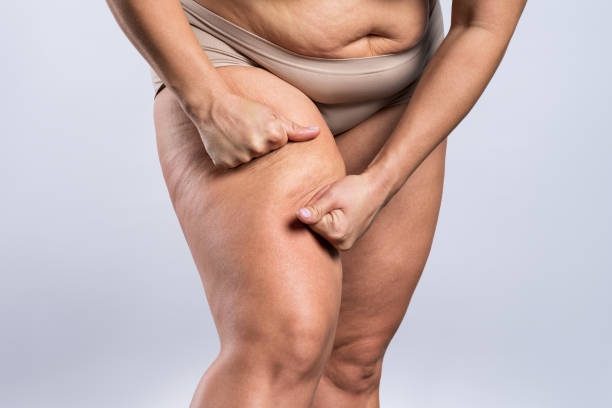
Lipedema is a chronic condition characterized by an abnormal accumulation of fat tissue, most commonly in the legs and sometimes in the arms. It can cause tenderness, easy bruising, heaviness, and discomfort that makes everyday movement challenging. Exercise is an important part of managing these symptoms because it supports muscle strength, joint mobility, and cardiovascular health. For people exploring Treatment of lipedema in Riyadh (علاج الوذمة الشحمية في الرياض), understanding how physical activity fits into a broader care plan can help them choose realistic and sustainable ways to stay active.
Although exercise cannot eliminate lipedema fat or cure the condition, appropriate movement may improve physical function and overall well-being. Low-impact activities, water-based exercise, walking, and gentle strength training can be adapted to different ability levels. Treatment of lipedema in Riyadh may include an individualized exercise plan alongside compression garments, symptom management, and professional follow-up. The goal is to support mobility and comfort without placing unnecessary strain on sensitive tissues.
Why Is Exercise Important for Lipedema?
Exercise helps maintain strength, flexibility, balance, and endurance. These benefits can be particularly valuable when pain or heaviness makes movement difficult. Regular physical activity may also support weight management when needed, improve mood, and help people maintain independence in daily life.
Lipedema-related fat can be resistant to ordinary weight-loss methods, so exercise should not be presented as a way to remove the affected tissue. Instead, it is a supportive strategy that helps maintain physical function and overall health. Research suggests that tailored exercise may improve symptoms and quality of life, although the evidence for specific exercise programs remains limited.
What Are the Best Exercises for Lipedema?
Walking
Walking is an accessible activity that can be adjusted to individual fitness levels. Starting with short, comfortable walks and gradually increasing duration may help improve stamina and mobility.
Choose supportive footwear and a pace that does not significantly worsen pain. If walking on hard surfaces causes discomfort, try shorter sessions or an alternative low-impact activity.
Swimming and Water-Based Exercise
Swimming, water walking, and aqua aerobics are often useful options for people with lipedema. Water supports body weight and reduces pressure on joints, which may make movement more comfortable.
The gentle resistance of water also allows muscles to work without the same impact as some land-based exercises. These activities can be especially helpful for people who find prolonged standing or walking difficult.
Cycling and Stationary Bikes
Cycling can provide cardiovascular exercise while limiting impact on the joints. A stationary bike may be convenient for people who prefer to exercise indoors or need a controlled environment.
Start with low resistance and a comfortable duration. Adjust the seat and posture to avoid unnecessary pressure or strain, and increase intensity gradually as tolerated.
Strength Training
Gentle resistance exercises can help maintain muscle strength, stability, and functional movement. Exercises may focus on the legs, hips, core, and upper body, depending on the individual's needs.
A physiotherapist or qualified exercise professional can recommend suitable movements and resistance levels. Strength training should be introduced progressively, particularly if the patient has pain, reduced mobility, or other health conditions.
Yoga and Gentle Mobility Exercises
Modified yoga, stretching, and mobility exercises can help maintain flexibility, balance, and body awareness. Some people also find these activities helpful for relaxation and managing stress.
Choose positions that feel comfortable and avoid movements that create significant pain or excessive pressure on affected areas. Modifications may be needed for balance or joint limitations.
How Should You Start an Exercise Routine?
A gradual approach is generally more sustainable than beginning with a demanding workout program. People with lipedema can have different levels of pain, mobility, and physical endurance, so exercise should be tailored to individual needs.
Consider the following steps:
-
Start with a manageable activity, such as a short walk or gentle water exercise.
-
Increase duration or intensity gradually as your comfort and stamina improve.
-
Include a mix of cardiovascular activity, gentle strength training, and mobility work when appropriate.
-
Allow time for recovery and adjust the routine if symptoms increase.
-
Keep track of pain, swelling, fatigue, and how you feel after each session.
If you have significant pain, balance problems, or difficulty moving, seek advice from a healthcare professional or physiotherapist before starting a new routine.
Can Exercise Reduce Lipedema Fat?
Exercise alone does not reliably remove the abnormal fat tissue associated with lipedema. Some people may experience changes in overall body weight or fitness, but the affected areas can remain disproportionate even with consistent activity and balanced nutrition.
This does not mean exercise is ineffective. Improved strength, endurance, joint function, and general health can make everyday activities easier and support long-term well-being. If weight-related or metabolic conditions are also present, a clinician may recommend additional support without suggesting that lipedema is simply a weight problem.
Can Exercise Be Combined With Compression Garments?
For some patients, wearing appropriately fitted compression garments during physical activity may improve comfort and provide support. Compression may also help manage associated swelling, especially when another condition affecting fluid drainage is present.
However, not everyone needs compression for every activity. The appropriate garment and wearing schedule depend on the individual's symptoms, circulation, skin condition, and clinical recommendations. Ask a healthcare professional or trained compression fitter for guidance, particularly if garments cause pain, numbness, or skin discoloration.
What If Exercise Causes Pain or Discomfort?
Some discomfort may occur when starting a new activity, but exercise should not cause severe or progressively worsening pain. Reduce the intensity, shorten the session, or switch to a gentler activity if symptoms increase.
Persistent pain, new swelling, or reduced mobility should be discussed with a healthcare professional. Sudden swelling in one leg, particularly with warmth, redness, or pain, requires prompt medical assessment rather than an attempt to exercise through the symptoms.
Does Exercise Replace Other Lipedema Treatments?
No. Exercise is one part of a broader management plan. Depending on symptoms, care may also involve compression garments, skin care, physical therapy, nutritional guidance, or treatment for associated lymphedema.
For selected patients with significant symptoms, a specialist may discuss lipedema reduction surgery. Surgery aims to remove some affected fat tissue and may improve symptoms, but it does not cure lipedema and carries risks. Treatment choices should be based on a professional assessment and realistic expectations.
Book a Lipedema Consultation at Royal Clinic Saudia
If lipedema symptoms affect your mobility or comfort, a consultation at Royal Clinic Saudia (عيادات رويال كلينك) can help you explore appropriate management options. A qualified specialist can assess your symptoms, discuss conservative care, and help you understand how suitable physical activity may fit into your treatment plan. An individualized approach can support informed decisions about symptom management and long-term well-being.
FAQs:
What is the best exercise for people with lipedema?
There is no single best exercise for everyone. Swimming, water aerobics, walking, stationary cycling, gentle strength training, and modified yoga may be suitable depending on pain, mobility, and personal preference.
Can exercise stop lipedema from progressing?
Exercise supports mobility and general health, but there is insufficient evidence to say that it reliably stops lipedema progression. A personalized management plan and regular clinical follow-up are important.
Should people with lipedema avoid strength training?
Not necessarily. Appropriate strength training can help maintain muscle function and stability. Exercises should be introduced gradually and adapted to the person's symptoms, fitness level, and medical needs.
How often should someone with lipedema exercise?
The ideal frequency depends on individual ability, symptoms, and other health conditions. Starting with short, manageable sessions and building consistency over time is often practical. A healthcare professional or physiotherapist can help develop a suitable routine.

 English
 Arabic
 French
 Spanish
 Portuguese
 Deutsch
 Dutch
Dutch
 Italiano
 Russian
 Romaian
 Portuguese (Brazil)
 Greek
Greek