


Electrosurgery for Warts: How Does It Work?
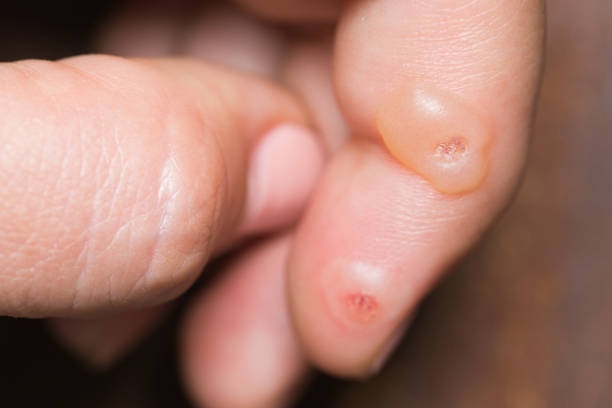
Warts are common skin growths caused by certain types of human papillomavirus (HPV). They can develop on the hands, feet, fingers, and other parts of the body, sometimes causing discomfort or cosmetic concerns. While some warts disappear naturally, persistent growths may require professional treatment. Electrosurgery is one option that uses controlled electrical energy to destroy wart tissue, often alongside a technique to remove the affected tissue. Understanding the procedure, benefits, risks, and recovery process can help individuals decide whether Warts Removal Treatment in Riyadh is appropriate for their needs. A qualified healthcare professional can examine the wart and recommend a suitable treatment method.
What Is Electrosurgery for Wart Removal?
Electrosurgery is a medical procedure that uses electrical energy to generate heat and destroy targeted tissue. For wart removal, it may be used to burn away the wart tissue, sometimes in combination with curettage, a technique that carefully removes the treated growth using a specialized instrument.
The procedure is generally considered for selected warts, particularly those that are persistent or have not responded to other treatments. It is not necessarily the first choice for every wart because factors such as the location, size, depth, and risk of scarring influence the treatment decision.
How Does Electrosurgery Work?
Electrosurgery works by delivering controlled electrical energy through a medical instrument. The energy generates heat that destroys the targeted wart tissue. When combined with curettage, the clinician may remove the affected tissue after it has been treated.
Examination Before the Procedure
The clinician first examines the growth to determine whether it is likely to be a wart. They may ask about its duration, symptoms, previous treatments, and any relevant medical conditions. If the lesion looks unusual, changes in appearance, or has an uncertain diagnosis, further assessment may be needed before removal.
Preparing the Treatment Area
The area is cleaned, and a local anesthetic is commonly used to reduce pain during the procedure. The clinician follows appropriate safety precautions and prepares the equipment according to the treatment plan. The method used depends on the wart's characteristics and the patient's individual needs.
Destroying and Removing Wart Tissue
The clinician applies electrical energy to the targeted tissue in a controlled manner. Depending on the technique, the wart may then be removed with a specialized instrument. The procedure can create a small wound that needs time to heal. The treatment duration varies according to the wart's size, location, and number.
What Types of Warts Can Be Treated With Electrosurgery?
Electrosurgery may be considered for certain common warts and other selected growths when a clinician determines that the method is appropriate. It may be an option for persistent warts that have not improved with standard treatments.
However, warts on sensitive areas, including the face or areas where scarring could be especially noticeable, require careful consideration. Plantar warts on the soles of the feet may also need a tailored approach because pressure from walking can affect comfort and healing. A healthcare professional should confirm the diagnosis and assess the risks before proceeding.
What Are the Benefits of Electrosurgery for Warts?
Electrosurgery can offer several potential advantages for appropriately selected cases.
Direct Removal of Targeted Tissue
The procedure allows the clinician to destroy and, when needed, remove visible wart tissue during an appointment. This may be helpful for selected growths that are difficult to manage with topical treatments alone.
Suitable for Some Persistent Warts
Some warts do not respond to treatments such as salicylic acid or cryotherapy. Electrosurgery may be considered when other methods have not worked or when a clinician believes a procedural approach is appropriate.
Treatment in an Outpatient Setting
Many electrosurgical wart removal procedures are performed without an overnight hospital stay. Local anesthesia can help manage discomfort during treatment. The exact process and recovery requirements depend on the size and location of the wart.
Although these benefits can make electrosurgery a useful option, it does not guarantee permanent clearance. Warts may return, and the procedure can leave a scar or changes in skin pigmentation.
What Are the Possible Risks and Side Effects?
After electrosurgery, patients may experience soreness, redness, swelling, or a small wound at the treatment site. Scabbing is part of the healing process. Other possible risks include infection, bleeding, delayed healing, scarring, and temporary or persistent changes in skin color.
The likelihood of these effects depends on the treatment depth, wart location, skin type, and individual healing response. People with diabetes, circulation problems, reduced sensation, or conditions that affect wound healing should discuss their medical history with the clinician before treatment.
How Long Does It Take to Heal After Electrosurgery?
Healing time varies according to the size and depth of the treated area. Small wounds may heal within a couple of weeks, while deeper or larger treatment sites can take longer. Wounds on the feet may be more uncomfortable because of pressure during walking.
Follow the aftercare instructions provided by the clinician. Keep the area clean as directed, change dressings when recommended, and avoid picking at scabs. Do not apply additional wart-removal products to the healing wound unless advised. Seek medical attention if you develop increasing pain, spreading redness, pus, fever, or other signs of infection.
Can Warts Return After Electrosurgery?
Yes. Electrosurgery can remove visible wart tissue, but it may not eliminate all HPV from the surrounding skin. As a result, a wart may recur at the treated site or new warts may develop nearby. Some patients need further treatment or an alternative approach if the growth persists.
Follow-up care can help the clinician assess healing and determine whether additional treatment is necessary. Avoiding picking at the wart and following advice about personal hygiene may help reduce the chance of spreading the virus to other areas.
Is Electrosurgery the Right Wart Removal Method for You?
The most suitable treatment depends on the wart's location, size, thickness, duration, and response to previous treatment. Other options may include cryotherapy, topical medication, or selected laser procedures. Electrosurgery is not appropriate for every lesion, and an accurate diagnosis is important before treatment.
A professional assessment can help identify the benefits and limitations of each option. With Warts Removal Treatment in Riyadh, patients can discuss their concerns with a qualified healthcare professional and receive recommendations based on their skin condition, medical history, and recovery needs.
Book a Consultation at Royal Clinic Saudia
If you have a persistent or uncomfortable wart, consider arranging a consultation at Royal Clinic Saudia. A qualified healthcare professional can examine the growth, explain whether electrosurgery or another treatment is suitable, and provide personalized instructions to support safe healing.
FAQs:
Is electrosurgery an effective method for wart removal?
Electrosurgery can be effective for selected warts, particularly those that have not responded to other treatments. Results vary, and some warts may return or require additional care.
Does electrosurgery for warts hurt?
Local anesthesia is commonly used to reduce discomfort during the procedure. Some soreness or tenderness may occur afterward as the treated area heals.
Will electrosurgery leave a scar?
A scar or change in skin pigmentation is possible because the procedure uses heat to destroy tissue. The risk depends on the wart's location, treatment depth, and individual healing characteristics.
How should I care for my skin after electrosurgery?
Follow the clinician's wound-care instructions, keep the area clean as directed, and avoid picking at scabs. Seek medical advice if you notice increasing pain, spreading redness, discharge, or delayed healing.

 English
 Arabic
 French
 Spanish
 Portuguese
 Deutsch
 Turkish
 Italiano
 Russian
 Romaian
 Portuguese (Brazil)
 Greek
Greek