


Kidney Stone, Prostate or Urine Problem? Know When to See a Urologist
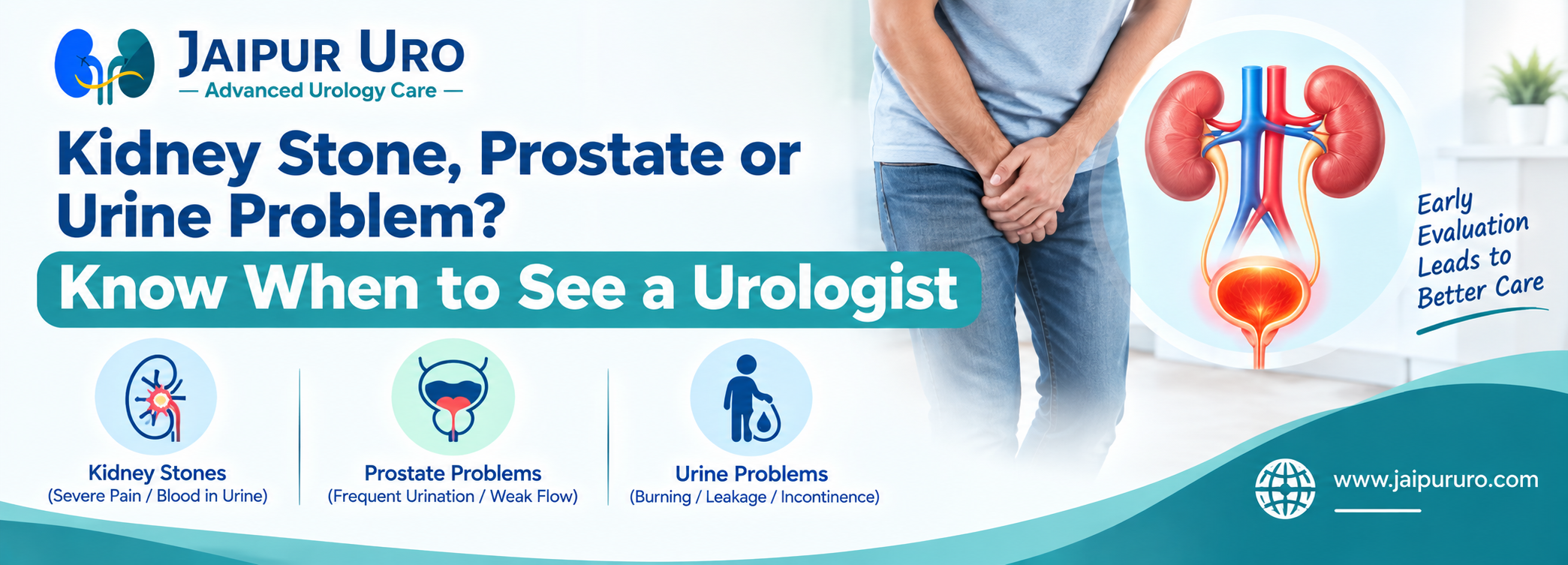
Urinary problems are often easy to ignore, especially when the symptoms appear mild at first. A little burning while urinating, getting up several times at night, or occasional pain in the lower abdomen may seem like problems that will settle on their own. However, recurring or worsening urinary symptoms can sometimes indicate an underlying urological condition that needs proper evaluation.
A urologist deals with conditions affecting the kidneys, ureters, urinary bladder, urethra and male reproductive system. Knowing when to seek specialist care can help identify the cause early and prevent a minor urinary concern from becoming a more complicated problem.
For people looking for a Best Urologist in Jaipur, understanding the warning signs and knowing what kind of specialist care may be required is an important first step.
When Should You Consult a Urologist?
Not every urinary symptom requires immediate specialist treatment, but persistent, recurrent or unexplained symptoms should not be ignored. You may consider consulting a urologist if you experience:
- Blood in the urine, even if it occurs only once
- Repeated urinary tract infections
- Pain or burning while passing urine
- Difficulty starting or maintaining urine flow
- Frequent urination, particularly at night
- Sudden or persistent pain in the side, back or lower abdomen
- Urine leakage or difficulty controlling urination
- A feeling that the bladder is not emptying completely
- Recurrent kidney or urinary stones
- Sexual or male reproductive health concerns
The right diagnosis depends on the symptoms, medical history and examination. A urologist may recommend urine tests, blood tests, ultrasound, CT scans, uroflowmetry or other investigations depending on the suspected condition.
Kidney Stones Are More Than Just Sudden Pain
Kidney stones are one of the common reasons people seek urological care. A small stone may pass naturally, while a larger or obstructing stone may cause severe pain, vomiting, blood in the urine or difficulty passing urine.
Pain caused by a stone may begin in the back or side and travel towards the lower abdomen or groin. Some people, however, may have stones without noticeable symptoms until the stone starts moving or blocks urine flow.
Treatment is selected according to factors such as stone size, location, composition, symptoms and whether there is an obstruction or infection. Depending on the situation, treatment may range from observation and medicines to procedures such as ureteroscopy or laser stone treatment.
If kidney stones keep returning, simply treating each episode may not be enough. Understanding why stones are forming can also be important. Dietary habits, fluid intake, metabolic factors and certain medical conditions may contribute to recurrent stones.
Urinary Changes Can Be Linked to Prostate Problems
For men, changes in urinary habits become more common with increasing age. One frequent cause is benign prostate enlargement, also known as BPH. The prostate surrounds part of the urethra, and enlargement can gradually affect urine flow.
Typical symptoms include a weak urine stream, difficulty starting urination, frequent trips to the bathroom, urgency, nighttime urination and a sensation of incomplete bladder emptying.
If these symptoms are affecting sleep or daily activities, an evaluation by an Enlarged Prostate Specialist in Jaipur can help determine whether prostate enlargement is responsible or whether another urinary condition is involved.
Treatment does not always mean surgery. Depending on the severity of symptoms and the findings during evaluation, management may include lifestyle changes, medicines, monitoring or a suitable minimally invasive or surgical procedure.
When Is Prostate Surgery Considered?
Prostate surgery may be considered when symptoms are significant, medications are not providing adequate relief, or complications develop. Repeated urinary retention, recurrent urinary infections, bladder stones, bleeding or deterioration of bladder function can be among the reasons a specialist may discuss procedural treatment.
A Prostate Surgery Specialist in Jaipur can assess the severity of prostate enlargement and explain whether a procedure is appropriate. Different surgical techniques are available, and the choice depends on prostate size, urinary symptoms, overall health and other individual factors.
The important point is that treatment should be based on proper evaluation rather than assuming that every prostate problem requires surgery.
Blood in Urine Should Never Be Ignored
Blood in the urine, medically known as haematuria, can have several causes. Kidney stones, urinary infections, prostate conditions and certain medications can sometimes cause blood in the urine. In some cases, however, it can be associated with a more serious condition affecting the urinary tract.
Bladder cancer is one condition that doctors consider when evaluating unexplained blood in urine, particularly when there is no obvious infection or other cause.
A Bladder Cancer Doctor in Jaipur may recommend investigations such as urine testing, imaging or cystoscopy when bladder cancer needs to be ruled out. Early evaluation is important because the appropriate treatment depends greatly on the type, location and stage of the disease.
What Can You Expect During a Urology Consultation?
A urology consultation generally begins with a detailed discussion about your symptoms, their duration and any previous urinary problems. Your doctor may also ask about medications, previous surgeries, family history and lifestyle factors.
Depending on the symptoms, the evaluation may include physical examination and diagnostic tests. These investigations help distinguish between conditions that can produce similar symptoms.
For example, frequent urination may be related to prostate enlargement, infection, bladder problems or other causes. Similarly, pain in the side may be related to kidney stones but can also have other explanations. Proper diagnosis is therefore more useful than trying to identify the condition based only on symptoms.
Choosing Specialist Care in Jaipur
When selecting a urologist, patients may want to consider qualifications, experience, areas of expertise, diagnostic facilities and the range of treatment options available. Complex conditions may require a combination of medical management, minimally invasive procedures and surgical expertise.
Dr. Saurabh Jain is an MBBS, MS in General Surgery and DNB in Urology/Genito-Urinary Surgery qualified Best Urologist in Jaipur, with 15+ years of experience in urological care. His areas of practice include kidney stones, prostate conditions, urinary tract disorders, uro-oncology, kidney surgery and kidney transplantation.
Consultation and treatment planning can be done based on the patient's symptoms, diagnostic findings and individual medical needs.
Conclusion
Kidney stones, prostate-related urinary symptoms and changes in urination can have different causes, and the right treatment starts with identifying that cause. Persistent pain, blood in urine, difficulty passing urine, recurrent infections or changes in urinary habits should not simply be ignored.
Seeking timely advice from a qualified urologist can help identify the problem, understand available treatment options and decide whether observation, medicines or a procedure is appropriate. Early evaluation is particularly important when symptoms are recurring, worsening or affecting everyday life.
Frequently Asked Questions
1. When should I see a urologist for urinary problems?
You should consider a urology consultation for persistent urinary symptoms, blood in urine, recurrent infections, kidney stones, difficulty passing urine, urinary leakage or unexplained pain involving the urinary system.
2. Does every kidney stone require surgery?
No. Some small stones can pass naturally with appropriate medical management. Treatment depends on the stone's size, location, symptoms, obstruction and other clinical factors.
3. Are frequent nighttime urination and weak urine flow signs of prostate enlargement?
They can be symptoms of prostate enlargement, particularly in older men, but similar symptoms can occur with other urinary conditions. A proper evaluation is needed to identify the cause.
4. Is blood in urine always a sign of cancer?
No. Blood in urine can have several causes, including stones, infections and other urinary conditions. However, unexplained blood in urine should be evaluated by a doctor so that serious causes can be ruled out.
5. Can prostate problems be treated without surgery?
In many cases, yes. Depending on symptom severity and the underlying condition, treatment may include lifestyle measures, medicines, monitoring or procedures. Surgery is considered when clinically appropriate.

 English
 Arabic
 French
 Spanish
 Portuguese
 Deutsch
 Turkish
 Dutch
Dutch
 Italiano
 Romaian
 Portuguese (Brazil)
 Greek
Greek