


What Is Acne and Why Does It Happen?
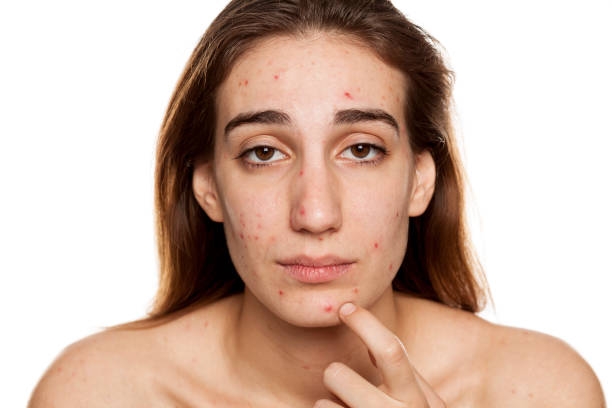
Acne is one of the most common skin concerns, affecting people of different ages and skin types. It develops when hair follicles become blocked with excess oil, dead skin cells, and other impurities, creating an environment where pimples, blackheads, whiteheads, and deeper blemishes can form. While many people associate acne only with the teenage years, it can continue into adulthood or develop later in life. Understanding the causes is the first step toward healthier-looking skin, and Acne Treatment in Riyadh can help individuals explore suitable options based on their skin concerns, acne type, and overall skin condition.
The appearance of acne can vary significantly from one person to another, which is why there is no single explanation for every breakout. Some people experience occasional small pimples, while others struggle with persistent inflammation, painful spots, or recurring blemishes that affect the appearance and texture of their skin. Factors such as oil production, hormonal changes, bacteria, and clogged pores can all play a role, and Acne Treatment in Riyadh may involve a professional assessment to better understand what is contributing to an individual's breakouts and which approach may support their skin needs.
What Is Acne?
Acne is a skin condition that develops when the pores become blocked. Each pore is connected to a hair follicle and sebaceous gland, which produces an oily substance called sebum. Sebum has an important role in helping keep the skin naturally moisturized, but excessive production can combine with dead skin cells and block the opening of the follicle. This blockage can lead to different types of blemishes depending on what happens inside the pore.
How a Pore Turns Into a Blemish
When oil and dead skin cells accumulate inside a pore, a blockage can form. If the blocked pore remains closed, it may appear as a whitehead. When the material inside the pore is exposed to air, it can darken and form a blackhead. In some cases, bacteria can multiply inside the blocked follicle, causing inflammation and resulting in red, swollen, or tender pimples. Understanding this process helps explain why acne can look different across various areas of the face and body.
Why Does Acne Happen?
Acne usually develops because of several factors rather than one single cause. The skin's natural oil production, the shedding of dead skin cells, bacterial activity, and inflammation can interact and contribute to breakouts. The importance of each factor can vary between individuals, which is why acne may appear suddenly, worsen during certain periods, or persist despite basic skincare efforts.
Excess Oil Production
One major factor associated with acne is the production of excess sebum. When the sebaceous glands produce more oil than the skin needs, the likelihood of pores becoming blocked can increase. Naturally oily skin may be more prone to this issue, although people with other skin types can also experience acne. Proper skin assessment can help determine how oil production may be affecting recurring breakouts.
Dead Skin Cells and Blocked Pores
The skin constantly renews itself by shedding old cells, but sometimes these cells do not clear away effectively. When dead skin cells mix with excess oil, they can collect inside the follicles and contribute to clogged pores. This process can create the foundation for whiteheads, blackheads, and inflammatory blemishes. Keeping the skin clean is important, but overly harsh cleansing can also irritate the skin, making a balanced approach essential.
Bacteria and Inflammation
Certain bacteria naturally live on the skin, but they can contribute to acne when they multiply inside blocked follicles. The body's inflammatory response can then cause redness, swelling, and discomfort. This is why some blemishes appear as small surface spots while others become larger, more noticeable, and tender. Managing acne often involves considering both pore blockage and inflammation rather than focusing on only one visible symptom.
How Do Hormones Affect Acne?
Hormonal fluctuations can have a significant effect on the skin because they may stimulate the sebaceous glands to produce more oil. This is one reason acne commonly appears during puberty, but hormonal changes can also occur at other stages of life. Some people notice that their breakouts follow a recurring pattern or become more noticeable during particular hormonal changes.
Why Hormonal Breakouts Can Be Persistent
When hormonal activity continues to stimulate oil production, breakouts may return even after previous blemishes have improved. These breakouts can sometimes appear around specific facial areas and may feel deeper than ordinary surface pimples. A professional evaluation can help identify the characteristics of persistent acne and guide individuals toward an approach suited to their skin.
Can Lifestyle and Skincare Habits Influence Acne?
Daily habits may not always be the direct cause of acne, but they can influence how the skin behaves. Using unsuitable skincare products, repeatedly touching the face, failing to remove makeup properly, or using products that feel too heavy for the skin may contribute to clogged pores or irritation. Stress can also affect the body in ways that may coincide with worsening breakouts.
Choosing Products Carefully
Products should ideally match an individual's skin type and concerns. Heavy or pore-clogging formulations may not work well for acne-prone skin, while excessively strong products can cause dryness and irritation. A consistent routine focused on gentle cleansing and appropriate skincare can support the skin without unnecessary over-treatment.
What Are the Different Types of Acne?
Acne can include non-inflammatory and inflammatory blemishes. Blackheads and whiteheads are common examples of clogged pores, while papules and pustules are inflamed blemishes that may appear red or swollen. More severe forms can involve deeper, painful lesions that may require professional attention. Identifying the type of acne is important because different concerns may require different management strategies.
Why Professional Assessment Matters
Persistent or recurring breakouts can be frustrating, especially when trying multiple products without understanding the underlying factors. A professional assessment can examine acne type, skin condition, and individual concerns before recommending an appropriate approach. Acne Treatment in Riyadh can provide individuals with access to professional guidance and treatment options designed around their specific skin needs and goals.
When Should You Seek Professional Advice?
Professional guidance may be helpful when acne is persistent, becoming more severe, leaving visible marks, or affecting confidence. Instead of relying on repeated trial and error, understanding the skin and the possible reasons behind recurring breakouts can make it easier to take informed steps. Early attention may also help individuals manage their concerns more effectively and maintain a suitable long-term skincare approach.
Book an Appointment at Royal Clinic Saudia
If you are dealing with recurring breakouts or want to better understand what may be causing your acne,Royal Clinic Saudia can provide professional guidance based on your individual skin concerns. Book an appointment to discuss your skin, explore suitable treatment options, and take a more informed step toward clearer and healthier-looking skin.

 English
 Arabic
 French
 Spanish
 Portuguese
 Deutsch
 Turkish
 Dutch
Dutch
 Italiano
 Russian
 Romaian
 Portuguese (Brazil)