


CT Scan Test: Everything You Need to Know Before Your Appointment
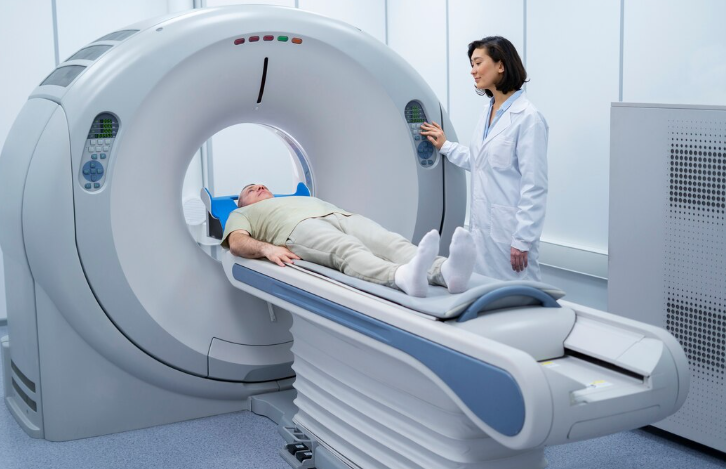
A CT scan test is one of the most commonly recommended diagnostic imaging procedures used to detect, evaluate, and monitor a wide range of medical conditions. Whether a doctor is investigating an injury, unexplained pain, infection, or disease, a CT scan provides detailed cross-sectional images of the body's internal structures, helping healthcare professionals make accurate diagnoses and treatment decisions.
Many patients feel nervous before their first CT scan because they are unfamiliar with the procedure. Questions about preparation, safety, duration, and what happens during the examination are common. Understanding the process beforehand can help reduce anxiety and ensure a smooth experience.
This guide explains everything patients should know before their appointment, from preparation and the scanning procedure to aftercare and frequently asked questions.
What Is a CT Scan Test?
A Computed Tomography (CT) scan is an advanced medical imaging technique that combines X-ray technology with computer processing to create detailed cross-sectional images of bones, organs, blood vessels, and soft tissues.
Unlike a standard X-ray, which captures a single image, a CT scan takes multiple images from different angles. These images are then combined by a computer to produce highly detailed views of the inside of the body.
Doctors often recommend a CT scan when more information is needed than a conventional X-ray can provide.
Why Is a CT Scan Recommended?
A CT scan test helps diagnose numerous medical conditions and supports effective treatment planning.
Doctors may recommend the procedure for:
-
Head injuries
-
Persistent headaches
-
Chest pain
-
Abdominal pain
-
Bone fractures
-
Joint injuries
-
Internal bleeding
-
Kidney stones
-
Lung diseases
-
Tumors
-
Infections
-
Spine disorders
-
Blood vessel abnormalities
The scan can also be used to monitor the progress of treatment or evaluate recovery after surgery.
How Does a CT Scan Work?
A CT scanner consists of a large circular machine with a movable examination table.
During the procedure, the patient lies comfortably on the table while it slowly moves through the scanner. Inside the machine, an X-ray tube rotates around the body, capturing multiple images from various angles.
Powerful computer software reconstructs these images into detailed cross-sectional views that healthcare professionals can examine carefully.
The entire process is painless and designed to provide clear diagnostic information.
Preparing for a CT Scan Appointment
Proper preparation helps improve image quality and ensures that the examination proceeds without unnecessary delays.
Follow the Doctor's Instructions
Preparation varies depending on the body part being examined.
Patients should carefully follow all instructions provided before the appointment.
Inform the Healthcare Team About Medical Conditions
Patients should notify the healthcare provider if they:
-
Are pregnant or may be pregnant
-
Have diabetes
-
Have kidney disease
-
Have asthma
-
Have previous allergic reactions to contrast material
-
Take regular medications
Providing accurate medical information allows healthcare professionals to determine the safest approach.
Wear Comfortable Clothing
Loose-fitting clothing without metal accessories is generally recommended.
Patients may be asked to change into a hospital gown depending on the type of examination.
Remove Metal Objects
Before entering the scanning room, patients should remove:
-
Watches
-
Jewelry
-
Hairpins
-
Eyeglasses
-
Dentures
-
Hearing aids
-
Belts with metal buckles
-
Coins
-
Mobile phones
Metal objects can interfere with image quality.
Fasting Instructions
Some CT examinations require fasting before the scan, especially when contrast material is used.
Patients should follow the instructions provided regarding eating and drinking.
What Is Contrast Material?
Some CT scans require a special contrast agent to improve image clarity.
Contrast helps highlight:
-
Blood vessels
-
Internal organs
-
Digestive tract
-
Certain tumors
-
Areas of inflammation
Depending on the examination, contrast may be:
-
Injected into a vein
-
Swallowed as a liquid
-
Administered through other appropriate methods
Not every CT scan requires contrast, and the decision depends on the medical condition being evaluated.
What Happens During the CT Scan?
Understanding each step of the procedure helps patients feel more comfortable.
Registration
The appointment begins with registration and verification of medical history.
Healthcare professionals may review previous reports and confirm patient details.
Positioning
A radiology technologist helps position the patient correctly on the examination table.
Proper positioning is essential for obtaining clear images.
Beginning the Scan
The table slowly moves through the circular opening of the scanner.
Patients do not feel the X-rays during the examination.
The machine may produce soft humming or clicking sounds while images are being captured.
Remaining Still
Movement can blur the images.
Patients are asked to remain as still as possible throughout the scan.
During certain examinations, they may also be instructed to briefly hold their breath.
Communication
Although the technologist remains outside the scanning room, communication continues through an intercom system.
Patients can speak with the technologist whenever necessary.
How Long Does a CT Scan Take?
The actual scanning process is usually quite short.
Depending on the body part being examined and whether contrast is required, the complete appointment may take longer because of preparation and post-procedure observation.
Healthcare professionals explain the expected duration before the examination begins.
Is a CT Scan Painful?
A CT scan is generally painless.
Patients simply lie still while images are captured.
If contrast material is used, some individuals may experience:
-
A warm sensation
-
A metallic taste in the mouth
-
Mild flushing
These sensations usually disappear within a short time.
Is a CT Scan Safe?
CT scans are considered safe when performed for appropriate medical reasons.
Healthcare professionals carefully evaluate whether the benefits of the examination outweigh any potential risks.
Modern CT scanners are designed to use the lowest radiation dose necessary while maintaining high-quality diagnostic images.
Patients should always inform healthcare providers about pregnancy or any previous reactions to contrast material before the examination.
After the CT Scan
Most patients can resume their normal daily activities immediately after the scan.
If contrast material has been administered, patients may be advised to drink plenty of fluids unless otherwise instructed by their doctor.
The images are then reviewed by a qualified radiologist, who prepares a detailed report for the referring physician.
When Will the Results Be Available?
After the examination, the radiologist carefully studies all images before preparing a diagnostic report.
The report is then shared with the referring doctor, who explains the findings and discusses any further investigations or treatment if required.
Patients should avoid interpreting the images themselves and wait for professional medical advice.
Benefits of a CT Scan Test
CT scans provide several important advantages, including:
-
Quick imaging for emergency situations
-
Detailed cross-sectional images
-
Accurate diagnosis of many conditions
-
Early detection of diseases
-
Better treatment planning
-
Monitoring of treatment progress
-
Guidance for certain medical procedures
-
Evaluation of injuries after accidents
These benefits make CT scanning an essential part of modern diagnostic medicine.
Tips for a Comfortable CT Scan Experience
Patients can make their appointment more comfortable by following a few simple recommendations:
-
Arrive before the scheduled appointment.
-
Carry previous medical reports if available.
-
Follow fasting instructions carefully.
-
Wear comfortable clothing.
-
Remove all metal accessories.
-
Inform staff about allergies or medical conditions.
-
Stay relaxed during the examination.
-
Follow all instructions given by the technologist.
Being well prepared helps ensure accurate imaging and a smooth experience.
Frequently Asked Questions
Can patients eat before a CT scan?
It depends on the type of examination. Some scans require fasting, while others do not.
Can regular medicines be taken?
Most medications can usually be continued, but patients should always follow their doctor's instructions.
Is the procedure suitable for children?
Yes. CT scans may be performed for children when medically necessary, with special care taken to ensure safety.
Can patients drive home afterward?
Most individuals can return home immediately unless specific medical advice suggests otherwise.
Should previous reports be carried?
Yes. Previous imaging studies help doctors compare findings and assess changes over time.
Choosing the Right Diagnostic Facility
Selecting a well-equipped imaging facility contributes to accurate diagnosis and a positive patient experience.
Patients often consider factors such as:
-
Qualified radiologists
-
Experienced technologists
-
Modern imaging equipment
-
Hygiene standards
-
Patient safety protocols
-
Timely reporting
-
Comfortable environment
Individuals looking for a CT Scan in Jaipur should choose a facility that prioritizes quality imaging, accurate reporting, and patient care. Likewise, selecting a trusted Diagnostic Centre in Sanganer Jaipur can help ensure a smooth diagnostic experience supported by experienced professionals and reliable imaging services.
Final Thoughts
A CT scan test is a valuable diagnostic tool that helps doctors identify a wide range of medical conditions quickly and accurately. Understanding how the procedure works, how to prepare, and what to expect during the appointment can make patients feel more confident and relaxed.
Proper preparation, following medical instructions, and choosing a quality diagnostic facility all contribute to successful imaging and reliable results. By being informed before the appointment, patients can approach their CT scan with greater confidence and play an active role in their healthcare journey.

 English
 Arabic
 French
 Spanish
 Portuguese
 Turkish
 Dutch
Dutch
 Italiano
 Russian
 Romaian
 Portuguese (Brazil)
 Greek
Greek