


What Is a Facelift and How Does It Work?
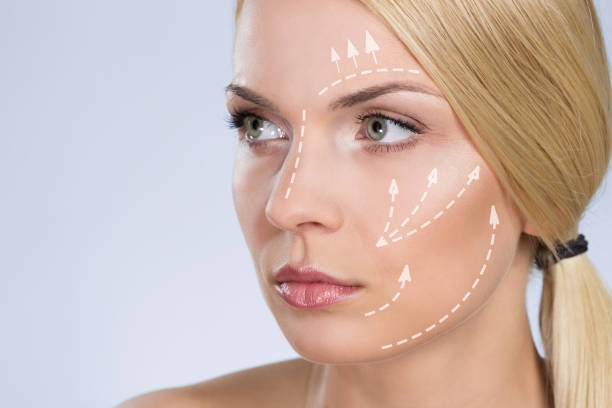
Aging naturally changes the way the face looks, often leading to loose skin, deeper folds, reduced definition around the jawline, and changes in the lower face and neck. For people who want to address these concerns more comprehensively, Facelift in Riyadh can be a surgical option designed to refresh facial contours while maintaining a natural-looking appearance. Unlike skincare products that primarily work on the skin's surface, a facelift addresses underlying tissues as well as excess skin.
A facelift is a cosmetic surgical procedure intended to reduce visible signs of facial aging by repositioning selected facial tissues and removing appropriate amounts of loose skin. When considering Facelift in Riyadh, understanding how the procedure works, what it can improve, and what it cannot change helps you approach a consultation with realistic expectations. The goal is generally not to create a completely different face but to restore a firmer, more refreshed version of your existing appearance.
What Is a Facelift?
A facelift, medically known as rhytidectomy, is a surgical procedure focused primarily on signs of aging in the mid-to-lower face and jawline. Depending on the individual's concerns and the surgical technique selected, it may also address some areas of the neck. The procedure is customized because facial aging does not occur in exactly the same way for everyone.
What Does a Facelift Address?
A facelift may help improve several common concerns associated with facial aging, including:
-
Sagging skin along the cheeks and lower face
-
Jowls that affect jawline definition
-
Deep folds around the nose and mouth
-
Loose or excess skin
-
Reduced definition between the face and neck
-
Changes in lower-face contours caused by tissue descent
The procedure is generally most effective for structural laxity rather than concerns that are limited to skin texture, pigmentation, or fine surface lines.
How Does a Facelift Work?
The basic principle behind a facelift is to reposition and tighten facial tissues before addressing excess skin. During surgery, the surgeon makes carefully planned incisions, commonly around the ear and sometimes extending into nearby areas depending on the technique. Through these openings, underlying tissues can be adjusted to create improved support and contour.
Repositioning Facial Tissues
Modern facelift techniques can involve working with deeper supportive layers beneath the skin rather than simply pulling the skin tightly. The surgeon evaluates the degree of tissue laxity and repositions appropriate structures to create a smoother and more supported facial contour. This approach can help produce results that look less stretched and more natural.
Removing Excess Skin
After the underlying tissues have been repositioned, the surgeon assesses the remaining skin. Appropriate excess skin may be removed, and the skin is then redraped over the newly improved contours. Careful closure of the incisions is important for both healing and the appearance of scars.
What Happens During a Facelift Procedure?
The exact surgical process varies according to the patient's anatomy, goals, and chosen technique. Before surgery, a consultation allows the surgeon to assess facial structure, skin laxity, medical history, and areas the patient wants to improve. Photographs and a physical examination may also be used to develop an individualized surgical plan.
Typical Stages of the Procedure
A facelift commonly involves several key stages:
-
Anesthesia is administered according to the surgical plan.
-
Incisions are created in strategically selected locations.
-
Underlying facial tissues are repositioned or tightened.
-
Excess skin is carefully removed when appropriate.
-
The remaining skin is redraped naturally.
-
Incisions are closed to support proper healing.
The procedure may take several hours, depending on the technique and whether additional procedures are performed at the same time.
What Can a Facelift Improve?
A facelift primarily targets visible sagging and loss of facial definition. It can create a firmer-looking lower face and may make the jawline appear more defined. By repositioning tissues and managing loose skin, the procedure can also soften the appearance of certain deep folds associated with facial aging.
However, a facelift does not address every type of facial concern. Fine lines, sun damage, uneven pigmentation, and changes in skin texture may require different treatments. Similarly, concerns involving the eyelids, forehead, or eyebrows may call for other procedures depending on the individual's needs.
Facelift vs. Non-Surgical Treatments
Non-surgical treatments and facelift surgery have different purposes. Injectables, energy-based treatments, and skin-focused procedures may improve selected signs of aging without surgery, while a facelift is designed to address more significant tissue laxity and sagging.
Who May Consider a Facelift?
People with noticeable facial sagging, jowls, loose skin, or reduced jawline definition may consider facelift surgery. Good candidates generally have realistic expectations, understand the surgical nature of the procedure, and are medically suitable for surgery.
Why a Consultation Matters
A professional consultation is essential because facial aging varies considerably between individuals. A qualified surgeon can determine whether a facelift is appropriate and explain which areas can realistically be improved. They can also discuss the selected technique, preparation, recovery, potential risks, and expected changes before treatment.
What Is Recovery Like?
Recovery varies from person to person. Swelling, bruising, tightness, and temporary discomfort can occur during the early healing period. Patients are generally advised to follow their surgeon's instructions carefully, attend follow-up appointments, protect healing areas, and avoid activities that could interfere with recovery.
Visible improvements develop progressively as swelling decreases and tissues settle. Patience is important because the final appearance may take time to become fully apparent. Following aftercare guidance can support a smoother recovery and help protect the surgical result.
How Long Can Facelift Results Last?
A facelift does not stop the natural aging process, so the face will continue to change over time. However, repositioning facial tissues and removing appropriate excess skin can provide long-lasting improvement. Lifestyle factors, genetics, skin quality, sun exposure, and the natural aging process can all influence how results develop over the years.
Book a Facelift Consultation at Royal Clinic Saudia
If you are considering Facelift in Riyadh, a personalized consultation is the best place to begin. At Royal Clinic Saudia, you can discuss your facial concerns, understand suitable treatment options, and receive professional guidance based on your individual features and goals. Schedule a consultation to explore whether facelift surgery is the right approach for achieving a refreshed and balanced appearance.

 English
 Arabic
 French
 Spanish
 Portuguese
 Deutsch
 Turkish
 Dutch
Dutch
 Italiano
 Romaian
 Portuguese (Brazil)
 Greek
Greek