


How UK Drivers Can Choose the Right Engine for Their Car
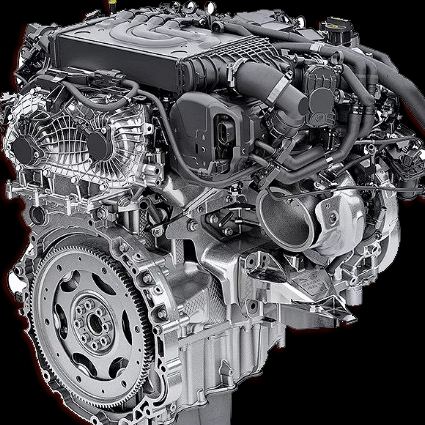
Understanding Why the Right Engine Matters for UK Drivers
Choosing the right engine can make a major difference to a vehicle’s reliability, performance, running costs, and future value. UK motorists face different driving conditions, from busy city roads to long motorway journeys and rural routes. Each situation can place different demands on a vehicle’s mechanical system. Drivers should consider mileage, fuel type, vehicle age, maintenance history, and expected usage before making an engine-related decision. When researching Engines Solutions, motorists should focus on finding an option that matches their vehicle rather than simply selecting the cheapest available unit. Careful planning can prevent compatibility problems and reduce unexpected expenses later.
Recognising When Your Vehicle Needs Engine Attention
Most drivers notice changes in vehicle behaviour when an engine begins developing a problem. Warning signs may include unusual noises, excessive smoke, poor acceleration, increased fuel consumption, overheating, or difficulty starting. Dashboard warning lights can also indicate problems that require professional diagnosis. Ignoring these symptoms may allow a small mechanical issue to develop into more serious damage. For motorists considering Engine Solutions, an inspection should come before any major purchase or replacement decision. A qualified technician can assess the engine, identify the underlying fault, and explain whether repair, refurbishment, or replacement offers the most practical solution for the vehicle.
Considering Vehicle Compatibility Before Replacement
Engine compatibility remains one of the most important factors when replacing a damaged unit. Two vehicles from the same manufacturer may use different engines because of variations in production year, trim, fuel type, transmission, or electronic systems. Drivers should therefore confirm the exact engine code and vehicle specification before ordering any replacement. Checking compatibility through a specialist can help avoid expensive fitting problems. When comparing Engines Solutions, owners should provide accurate vehicle information and ask suppliers to confirm that the selected unit matches their car. Taking this step early can make installation easier and prevent delays caused by unsuitable components.
Comparing Used and Reconditioned Engine Options
Used and reconditioned engines can offer practical alternatives to buying a completely new unit. A used engine usually comes from another vehicle, while a reconditioned engine receives inspection and replacement work to restore suitable performance. Each option has advantages and limitations, so drivers should investigate the supplier, mileage, testing process, and warranty before purchasing. Price should not become the only deciding factor. While reviewing Engines Solutions, motorists should compare the condition and expected service life of each option. A slightly more expensive unit with stronger documentation and warranty protection may provide better value than a cheaper engine with an uncertain history.
How Regular Maintenance Protects Engine Performance
Preventive maintenance remains one of the simplest ways to protect an engine. Drivers should follow the recommended service schedule and use suitable oil, filters, coolant, and replacement components. Regular inspections can identify leaks, worn belts, damaged hoses, and other developing problems before they affect major components. Good maintenance also helps preserve fuel efficiency and smooth operation. For motorists reviewing Engines Solutions, maintaining the current engine properly may sometimes prove more economical than replacing it. Keeping detailed service records also gives owners a useful maintenance history and can support future decisions if the vehicle eventually requires significant mechanical work.
Understanding the Impact of UK Driving Conditions
British driving conditions can vary considerably throughout the year. Cold mornings, wet roads, traffic congestion, short urban journeys, and extended motorway trips all create different demands on a vehicle. Drivers who frequently travel through heavy traffic may experience more frequent stopping and starting, while motorway users may place greater demands on the engine during longer journeys. Understanding personal driving habits can help motorists choose appropriate maintenance practices. When considering Engines Solutions, owners should explain how and where they normally drive. This information can help a specialist recommend an engine or maintenance approach that better suits the vehicle’s actual operating conditions.
Checking Engine History Before Buying
Anyone buying a replacement engine should investigate its background carefully. Useful information may include mileage, donor vehicle details, previous servicing, testing records, and warranty conditions. A supplier that provides clear documentation gives buyers greater confidence about what they are purchasing. Drivers should also ask whether the quoted price includes essential accessories or whether additional parts will need to be purchased separately. Before selecting Engines Solutions, motorists should compare complete packages rather than looking only at the advertised engine price. Understanding the full history and total cost can help buyers avoid unpleasant surprises once installation begins.
Calculating the Complete Cost of Engine Work
The price of an engine represents only part of the total replacement cost. Labour, diagnostics, fluids, filters, seals, transportation, programming, and additional repairs can increase the final bill. Older vehicles may also require attention to other components once technicians remove the existing engine. Drivers should request a detailed quotation before approving major work. Comparing different Engines Solutions can help motorists understand where their money goes and identify the option that provides suitable long-term value. A low initial price may not always represent the cheapest choice if additional work, limited warranty coverage, or poor component quality increases ownership costs afterward.
Selecting a Reliable Engine Specialist
Choosing an experienced specialist can make the engine replacement process much easier. Drivers should look for businesses that provide clear communication, suitable technical knowledge, transparent pricing, and meaningful warranty terms. Customer reviews can offer useful insight, but motorists should also ask direct questions about compatibility, installation, testing, and aftercare. A professional specialist should explain the proposed work in straightforward language instead of confusing customers with unnecessary technical terms. When evaluating BMW Engines, reliability should receive as much attention as price. A trustworthy supplier can help drivers choose the correct unit and reduce the risk of installation complications or unexpected mechanical issues.
Making a Confident Long-Term Engine Decision
A successful engine decision should focus on reliability, compatibility, cost, vehicle condition, and future use. Drivers should avoid rushing into a purchase simply because their current engine has developed a problem. Professional diagnosis can reveal whether repair remains possible or whether replacement makes greater financial sense. Owners should also consider how long they intend to keep the vehicle and how many miles they expect to drive. By comparing Engines Solutions carefully and checking warranty coverage, specifications, and installation costs, UK motorists can make a more informed choice. A thoughtful approach can improve reliability, control expenses, and help the vehicle remain useful for many more miles.

 English
 Arabic
 Spanish
 Portuguese
 Deutsch
 Turkish
 Dutch
Dutch
 Italiano
 Russian
 Romaian
 Portuguese (Brazil)
 Greek
Greek