


Best Embroidery Digitizing Services for Logos, Hats, Shirts, and Patches
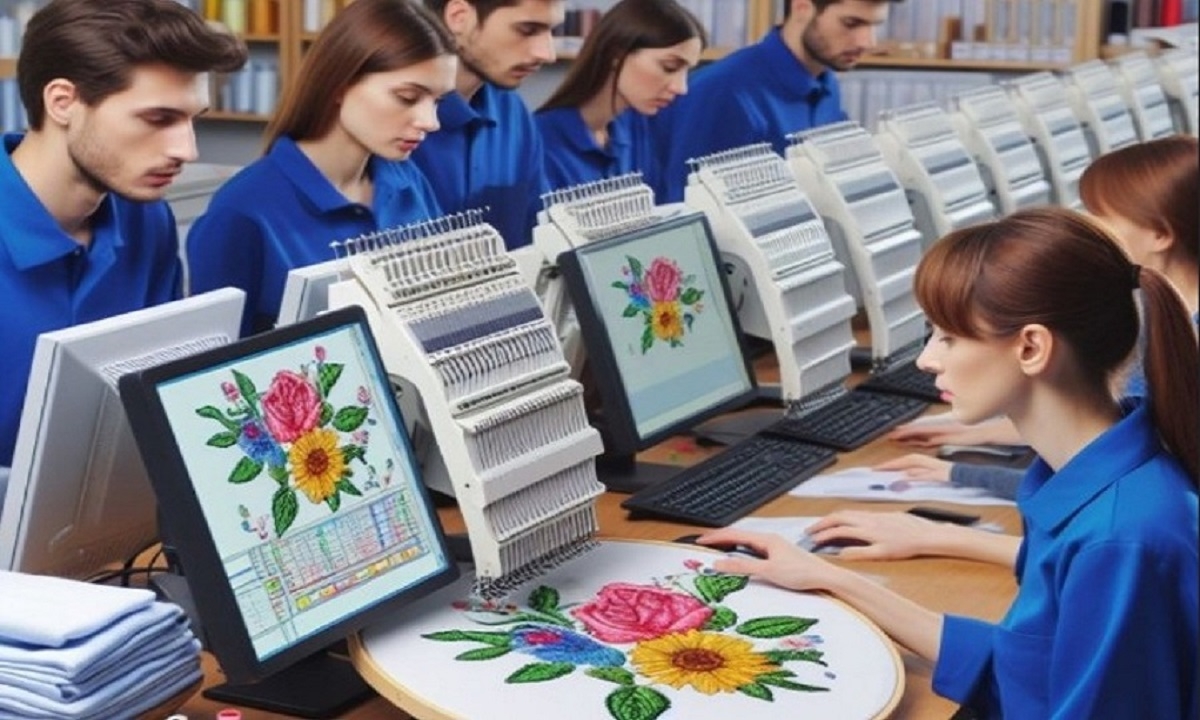
Embroidery can make a simple logo look bold and professional. But good embroidery does not start with the machine. It starts with a well-made embroidery file. A design may look sharp on a screen but fail when stitched if the file is not planned for thread and fabric. This is why proper digitizing matters for every embroidery project.
Choosing Best Embroidery Digitizing Services can help you get cleaner stitches, better detail, and more reliable results. A skilled digitizer does not just trace an image. They turn the artwork into a stitch plan that fits the fabric, design size, hoop, and machine. They choose stitch types, set density, add underlay, plan stitch direction, and arrange the sewing order. These steps can help reduce thread breaks, gaps, puckering, and other common problems.
What Is Embroidery Digitizing?
Embroidery digitizing is the process of turning artwork into machine-readable stitch data.
A JPG or PNG shows a picture.
An embroidery file gives the machine instructions.
These instructions can tell the machine:
-
Where to stitch
-
Which stitch type to use
-
How dense the stitches should be
-
Which direction stitches should follow
-
When to stop
-
When to change thread
-
When to trim or jump
The goal is to make the design look as close to the original artwork as possible while making it work with thread.
Why Good Digitizing Matters
A poor file can create many problems.
You may see:
-
Broken threads
-
Uneven fills
-
Gaps
-
Puckering
-
Poor lettering
-
Heavy stitch areas
-
Weak small details
-
Extra thread jumps
These issues can waste fabric, thread, and machine time.
A good file helps the machine stitch in a controlled way. It also makes repeat orders easier because the same design can be used again.
What Makes a Good Digitizing Service?
A good service should focus on the final stitch result.
Clean Stitch Planning
Every part of the design should have a purpose.
Proper Density
The file should not contain too many or too few stitches.
Good Underlay
The base stitches should support the top layer.
Correct Stitch Direction
The stitch angle should suit the shape.
Smart Sequencing
The machine should follow an efficient stitch path.
Testing
A test stitch can show problems that may not appear on a computer screen.
Digitizing Logos for Embroidery
Logos are one of the most common embroidery projects.
A logo may contain:
-
Text
-
Shapes
-
Lines
-
Icons
-
Borders
-
Small details
Not every part can be copied exactly into stitches.
A digitizer may need to simplify small parts. Thin lines may need to become wider. Small gaps may need more space.
The main goal is to keep the logo easy to recognize.
Small Logo Embroidery
Small logos need special care.
A design that looks clear at 10 inches may not work at 2 inches.
Small text is often the biggest challenge.
The digitizer may need to:
-
Increase letter size
-
Use a thicker font
-
Remove tiny details
-
Add more spacing
-
Change stitch types
Simple designs often give better results at small sizes.
Hat and Cap Embroidery
Hats are different from flat garments.
The surface is curved.
Some caps also have a center seam.
This means the design needs careful planning.
Stitch Direction
The stitch direction should work with the curve of the cap.
Design Placement
The design must be placed correctly within the sewing area.
Small Details
Tiny details may not stitch well on a curved surface.
Center Seam
The digitizer should consider the seam when planning the design.
A good hat file can help create clean embroidery without distortion.
Shirt Embroidery
Shirts are common for company logos, sports teams, clubs, and uniforms.
Different shirts can have different needs.
Cotton shirts may be stable.
Sports shirts may stretch.
Soft fabrics may need extra support.
The digitizer should know the fabric before setting the file.
This helps with density, underlay, and stitch planning.
Left Chest Logos
Left chest embroidery is usually small.
This makes detail control very important.
The logo should be easy to read without becoming too heavy.
Small lettering needs special attention.
A clean left-chest file should have:
-
Clear text
-
Balanced density
-
Good spacing
-
Strong outlines
-
Suitable stitch types
Jacket Embroidery
Jackets can have thicker fabric than shirts.
They may also have layers.
This can change the way the design stitches.
A digitizer may need to adjust the file for the material thickness.
Large jacket logos can also have more detail than small chest logos.
Patch Digitizing
Patches are another popular embroidery project.
Patch designs often use bold shapes and clear borders.
A patch may include:
-
A logo
-
Text
-
An outer border
-
Multiple colors
-
Large fill areas
The border needs to be strong and clean.
Too much detail can make a small patch hard to read.
Good patch digitizing focuses on bold shapes and strong contrast.
Choosing the Right Stitch Type
Different parts of a design need different stitches.
Satin Stitch
Satin stitch works well for narrow shapes, borders, and some lettering.
Fill Stitch
Fill stitch covers larger areas.
Running Stitch
Running stitch can work for thin lines and fine details.
A skilled digitizer chooses the stitch based on the shape, size, and fabric.
Why Stitch Density Matters
Density controls how close the stitches are.
Too much density can make the design heavy.
It may also cause:
-
Thread breaks
-
Puckering
-
Fabric stress
Too little density can create gaps.
The right setting depends on the fabric, thread, stitch type, and design size.
There is no single density setting that works for every project.
The Importance of Underlay
Underlay sits under the main stitches.
It helps hold the fabric and supports the top stitches.
Good underlay can improve:
-
Coverage
-
Edge quality
-
Stitch stability
-
Detail
-
Fabric control
The correct underlay depends on the fabric and design.
Stretch fabric often needs more support than firm fabric.
Pull Compensation
Embroidery stitches can pull fabric toward the center of a design.
This can create small gaps.
Pull compensation helps account for this movement.
Too little can leave gaps.
Too much can make shapes look too wide.
A good digitizer balances this setting based on the material and design.
Stitch Sequencing
Stitch order affects the final result.
The digitizer decides what should be stitched first and what should come later.
Good sequencing can:
-
Reduce jumps
-
Reduce trims
-
Improve alignment
-
Save machine time
-
Keep the design clean
Large areas are often planned before smaller details, but the best order depends on the artwork.
Testing the Embroidery File
A computer preview is helpful.
But a real stitch test is even better.
A test can show:
-
Gaps
-
Thread breaks
-
Puckering
-
Poor lettering
-
Heavy areas
-
Weak details
The test should be done on the same or similar fabric when possible.
If something looks wrong, the file can be edited before a large order begins.
Machine File Formats
Different machines use different formats.
Common embroidery formats include:
-
DST
-
PES
-
JEF
-
EXP
-
HUS
-
VP3
Always tell the digitizer which machine you use.
The machine model can affect the required format and design size.
You should also provide the hoop size.
This helps ensure the final file fits your machine.
How to Choose a Digitizing Service
Do not choose a service based only on price.
Look at real stitch samples.
Check for:
-
Clean edges
-
Smooth fills
-
Clear lettering
-
Good density
-
Balanced stitch direction
-
Proper sequencing
You should also ask about revisions.
A good service should be willing to make reasonable changes after testing.
Questions to Ask Before Ordering
Before sending your artwork, ask:
Can You Handle My Fabric?
Tell the service what material you plan to use.
Can You Match My Colors?
Provide the required thread colors when possible.
Can You Handle Small Text?
This is important for chest logos and small patches.
Which File Format Will I Receive?
Make sure it matches your machine.
Do You Offer Test Stitch Adjustments?
Testing can improve the final result.
Why Professional Digitizing Saves Money
A poor file can create waste.
You may use extra:
-
Thread
-
Fabric
-
Machine time
-
Labor
A good file can help avoid repeated failed stitch-outs.
It can also make repeat orders faster.
This is important for businesses that embroider the same logo on many shirts, caps, jackets, or bags.
Final Thoughts
Good embroidery depends on good planning. The artwork is only the starting point. The final file must be built for thread, fabric, design size, hoop, and machine.
Logos need clean detail. Hats need careful planning for curved surfaces. Shirts need settings that match the fabric. Patches need strong borders and clear shapes.
Professional digitizing helps bring all these needs together.
Absolute Digitizer focuses on careful embroidery file preparation for different types of projects. From small logos to large jacket designs, the right stitch plan can make a major difference.
Before starting production, always test the design. Check the lettering, density, edges, and overall look. Small changes at this stage can prevent bigger problems later.
When the file is planned well, the machine has clear instructions to follow. This can lead to smoother stitching, better detail, less waste, and more consistent results. For businesses and embroidery makers, Absolute Digitizer can provide the careful file preparation needed to turn artwork into clean, professional embroidery.

 English
 French
 Spanish
 Portuguese
 Deutsch
 Turkish
 Dutch
Dutch
 Italiano
 Russian
 Romaian
 Portuguese (Brazil)
 Greek
Greek