


How to Know If a Root Canal Has Been Successful?
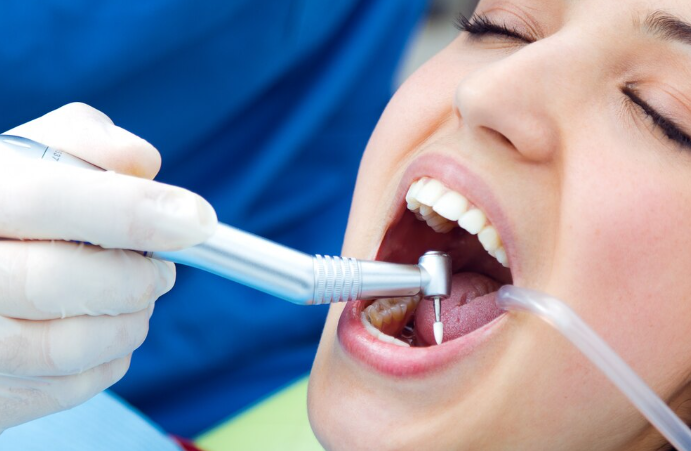
Root canal treatment is performed to remove infected or inflamed pulp from inside a tooth, clean the root canals, and seal them to prevent further bacterial infection. Although mild discomfort can occur after the procedure, most patients want to know how they can determine whether the treatment has been successful.
A successful root canal generally allows the tooth to function normally without persistent pain, swelling, or other signs of infection. However, complete healing can take time, and the absence of immediate symptoms does not always provide a complete picture. Dental examinations and follow-up X-rays may be needed to confirm long-term success.
What Does a Successful Root Canal Mean?
A successful root canal means that the infection or inflammation has been adequately treated and the tooth is healing properly. The treatment aims to eliminate bacteria from the root canal system, seal the canals effectively, and preserve the natural tooth.
Success is generally evaluated through a combination of symptoms, clinical examination, and radiographic findings. A tooth may feel comfortable soon after treatment while the surrounding bone and tissues continue to heal over several months.
1. Pain Gradually Disappears
One of the most noticeable signs of successful root canal treatment in Jaipur is the gradual reduction of tooth pain.
Some mild soreness or tenderness may be experienced during the first few days. This can occur because the tissues surrounding the tooth may remain irritated after treatment. However, the discomfort should generally become less noticeable with time.
A tooth that becomes increasingly comfortable during normal activities is usually showing a positive response to treatment.
2. The Tooth Can Function Normally
After the initial healing period, a successfully treated tooth should generally be able to perform its normal function.
Patients should gradually be able to bite and chew without significant pain or tenderness. If discomfort while biting continues for an extended period or becomes worse, a dental examination may be appropriate.
Persistent biting pain can have several possible causes, including inflammation around the root, an uneven bite, reinfection, or a crack in the tooth.
3. Swelling Disappears
Swelling around a previously infected tooth can indicate inflammation or infection. After successful treatment, swelling and tenderness should gradually resolve.
A reduction in gum swelling is therefore an encouraging sign. However, new or recurring swelling after treatment should not be ignored, particularly if it is accompanied by pain, pus, or fever.
4. There Is No Recurring Abscess
A dental abscess may appear as a painful or swollen area around the tooth or as a small pimple on the gum.
When the underlying infection has been successfully controlled, the abscess should resolve. If a gum boil repeatedly appears near a root canal-treated tooth, further evaluation may be required to determine whether infection remains.
5. The Tooth Feels Comfortable During Everyday Activities
A successfully treated tooth should eventually feel similar to the surrounding teeth during normal activities.
There should generally be no persistent throbbing, pressure, or significant sensitivity associated with chewing. A temporary difference in sensation during the healing period can occur, but long-lasting discomfort should be assessed.
6. Follow-Up X-Rays Show Healing
Symptoms alone cannot always determine whether root canal treatment has been completely successful.
A dentist may use dental X-rays to examine the bone and tissues around the root. If an infection had caused bone loss before treatment, the affected area may gradually reduce in size as healing occurs.
Radiographic healing can take several months or longer. Therefore, a tooth that feels normal may still require monitoring to confirm complete healing.
7. The Tooth Remains Properly Restored
A successful root canal involves more than cleaning the canals. The tooth also needs an appropriate final restoration to protect it from leakage and structural damage.
Depending on the tooth's condition, a filling, crown, or another restoration may be recommended. A properly sealed restoration helps prevent bacteria from entering the treated tooth again.
A damaged, loose, or broken restoration can compromise the long-term outcome even when the root canal itself was initially successful.
How Long Does It Take to Know if a Root Canal Has Worked?
There is no single timeframe that applies to every patient. Initial symptoms may improve within several days, while complete healing around the root can take months.
The time required depends on factors such as the severity of the original infection, the condition of the surrounding tissues, the complexity of the root canal system, and the patient's overall oral health.
A follow-up examination helps determine whether the tooth is progressing normally.
What Symptoms May Indicate a Problem?
Certain symptoms may suggest that further evaluation is needed. These can include:
- Persistent or worsening tooth pain
- Pain while biting or chewing
- New swelling around the tooth
- Recurring gum boils
- Pus or discharge near the tooth
- Persistent tenderness
- A loose or damaged crown or filling
- Symptoms that return after initially disappearing
These signs do not automatically mean that the root canal has failed. Several different dental conditions can produce similar symptoms, so professional examination is important.
Can a Root Canal Fail Even If the Tooth Initially Feels Better?
Yes. A tooth can initially feel comfortable and later develop symptoms if bacteria re-enter the root canal system or another problem develops.
Possible reasons include an untreated canal, incomplete cleaning, leakage around a restoration, new decay, a crack in the tooth, or reinfection.
This is why regular dental examinations remain important even when the tooth feels completely normal.
What Happens If Root Canal Treatment Is Not Successful?
If a treated tooth shows signs of persistent infection or inflammation, the dentist may investigate the cause. Depending on the condition of the tooth, options can include root canal retreatment, an additional surgical procedure, or extraction when the tooth cannot be predictably restored.
The appropriate option depends on the specific cause of the problem and the amount of healthy tooth structure remaining.
How Can Patients Protect a Successfully Treated Tooth?
Long-term care plays an important role in maintaining the results of root canal treatment. Patients can protect the treated tooth by maintaining good oral hygiene, brushing regularly with fluoride toothpaste, cleaning between the teeth, and attending routine dental check-ups.
Hard objects and excessive biting forces should be avoided because a root canal-treated tooth may be more susceptible to fracture, especially when significant tooth structure has been lost.
A recommended crown or other protective restoration should also be completed and maintained appropriately.
Why Follow-Up Dental Visits Matter
Follow-up visits allow the dentist to evaluate both the tooth and the surrounding tissues. Clinical examination can identify tenderness, swelling, changes in the bite, or problems with the restoration.
X-rays may be used when necessary to monitor the bone surrounding the root. These examinations are particularly useful when the tooth had a large infection before treatment.
Regular monitoring can help identify complications early and provide an opportunity for timely treatment.
Conclusion
A successful root canal is generally associated with the disappearance of infection-related symptoms, comfortable chewing, absence of swelling, and gradual healing of the tissues around the tooth. However, symptoms alone cannot always confirm complete success.
Follow-up examinations and, when appropriate, dental X-rays provide a more reliable assessment of healing. Mild discomfort immediately after treatment can be normal, but persistent or worsening pain, swelling, or recurring infection should be evaluated by a dental professional.
With appropriate root canal treatment, a suitable final restoration, good oral hygiene, and regular dental care, a treated tooth can remain functional for many years. Monitoring the tooth over time helps ensure that any potential problems are identified and managed as early as possible.

 English
 Arabic
 French
 Spanish
 Portuguese
 Deutsch
 Turkish
 Dutch
Dutch
 Italiano
 Russian
 Romaian
 Greek
Greek