

Spine, Bone, and Joint Care: Understanding Orthopedic Treatments
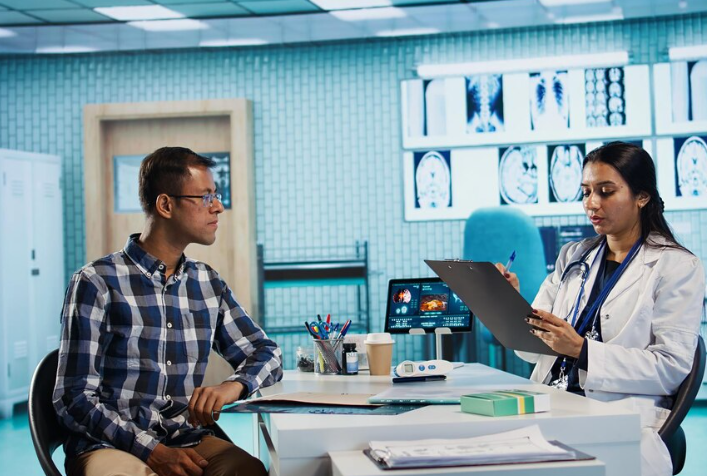
Spine, bone, and joint problems can affect people of all ages and may make everyday activities such as walking, bending, lifting, or exercising difficult. Orthopedic care focuses on diagnosing and treating these conditions through appropriate medical and rehabilitative approaches. People looking for specialized care may consider factors such as experienced orthopedic specialists, diagnostic facilities, treatment options, rehabilitation support, and patient-focused services when choosing the Best Orthopedic hospital in Jaipur for their individual needs.
Orthopedic conditions can develop because of injuries, aging, repetitive movements, poor posture, physical inactivity, excess weight, or certain medical conditions. While some problems may improve with rest and conservative treatment, others may require advanced procedures or surgery. Understanding the available treatment options can help patients recognize symptoms early and seek appropriate professional care.
What Is Orthopedic Care?
Orthopedic care deals with conditions affecting the musculoskeletal system. This includes bones, joints, muscles, ligaments, tendons, cartilage, and the spine.
Orthopedic specialists diagnose and manage a wide range of problems, including fractures, arthritis, ligament injuries, sports injuries, back pain, joint degeneration, and spinal disorders.
Treatment is selected according to the patient's condition, age, activity level, medical history, severity of symptoms, and overall health. The main goals are generally to reduce pain, restore movement, improve strength, and help patients return to their normal activities.
Common Bone Problems
Bones provide structural support and protect important organs. However, they can become damaged through accidents, falls, sports injuries, or conditions that weaken bone strength.
Fractures
A fracture occurs when a bone breaks or develops a crack. Some fractures are minor and can be treated using a cast, splint, or brace. More complicated fractures may require surgical fixation using plates, screws, rods, or other devices.
Prompt evaluation is important after a suspected fracture because proper alignment can influence healing and future movement.
Osteoporosis
Osteoporosis causes bones to become weaker and more vulnerable to fractures. It is more common with increasing age but can affect people with certain medical or nutritional risk factors.
Management may involve nutrition, physical activity, medicines, fall prevention, and regular monitoring of bone health.
Understanding Joint Problems
Joints allow different parts of the body to move. Common joint problems include arthritis, cartilage damage, ligament injuries, inflammation, and age-related degeneration.
Arthritis
Arthritis can cause pain, stiffness, swelling, and reduced range of motion. It can affect the knees, hips, hands, shoulders, spine, and other joints.
Treatment depends on the type and severity of arthritis. Options may include exercise, physical therapy, weight management, medicines, injections, assistive devices, or surgery in advanced cases.
Knee Problems
The knee is one of the body's major weight-bearing joints and can experience significant stress during walking, running, climbing stairs, and sports.
Knee pain may result from arthritis, ligament injuries, cartilage problems, overuse, or trauma. Treatment may range from physical therapy and activity modification to arthroscopic procedures or joint replacement when appropriate.
Hip Problems
Hip pain can result from arthritis, injuries, inflammation, or problems involving surrounding muscles and tendons. Severe hip joint degeneration can affect walking and everyday activities.
Non-surgical treatment may help some patients, while advanced joint damage may require hip replacement surgery.
Common Spine Conditions
The spine supports the body and protects the spinal cord. Problems involving the spine can cause pain, stiffness, restricted movement, or symptoms that extend into the arms or legs.
Back Pain
Back pain can have many causes, including muscle strain, poor posture, disc problems, joint changes, or injuries. Many cases improve with appropriate activity, physical therapy, and other conservative treatments.
Persistent or severe pain should be medically evaluated to identify the underlying cause.
Slipped or Herniated Disc
The discs between the vertebrae act as cushions. When part of a disc moves outside its normal position, it can sometimes press against nearby nerves.
This may cause back pain, leg pain, numbness, tingling, or weakness. Treatment depends on the severity of symptoms and may include physical therapy, medication, activity modification, or surgery in selected cases.
Spinal Stenosis
Spinal stenosis occurs when spaces within the spine become narrower and place pressure on nerves. It may cause back pain, numbness, weakness, or difficulty walking.
Treatment varies depending on the severity of symptoms and may include conservative care, injections, or surgery in more advanced cases.
Non-Surgical Orthopedic Treatments
Many orthopedic conditions can initially be managed without surgery. Non-surgical treatment aims to reduce symptoms and restore function while avoiding unnecessary procedures.
Physical Therapy
Physical therapy can help improve flexibility, strength, balance, and range of motion. Exercises are selected according to the patient's specific condition.
For example, strengthening exercises may support an injured knee, while posture and core exercises may help patients with certain types of back pain.
Medication
Doctors may recommend medicines to control pain and inflammation. The choice depends on the patient's condition, medical history, and other medications.
Patients should use medicines according to professional advice and should not change doses without consultation.
Braces and Supports
Braces, splints, and orthopedic supports can provide stability and protect injured joints or bones. They may be useful for certain fractures, ligament injuries, arthritis, and joint instability.
Their use and duration should be determined according to the patient's condition.
Lifestyle Changes
Maintaining a healthy weight, staying physically active, following a balanced diet, avoiding smoking, and maintaining good posture can support musculoskeletal health.
Low-impact activities such as walking, swimming, or cycling may be suitable for some people, although activity levels should be adjusted according to medical advice.
Surgical Orthopedic Treatments
Surgery may be considered when a condition causes significant structural damage or when appropriate non-surgical treatment does not provide enough improvement.
Joint Replacement
Joint replacement surgery may be considered when severe arthritis or joint damage causes persistent pain and limits movement.
During the procedure, damaged joint surfaces are replaced with artificial components. Knee and hip replacements are among the commonly performed joint replacement procedures.
Arthroscopy
Arthroscopy is a minimally invasive procedure that uses a small camera to examine and treat problems inside a joint.
It may be used for certain knee, shoulder, ankle, or hip conditions. Depending on the problem, damaged tissue may be repaired or removed.
Fracture Fixation
Some fractures require surgical fixation to restore proper alignment and stability. Plates, screws, rods, or other devices may be used to hold the bone in position while it heals.
Spine Surgery
Certain spinal conditions may require surgery when there is significant nerve compression, structural instability, severe symptoms, or failure of appropriate conservative treatment.
The specific procedure depends on the cause and location of the spinal problem.
The Role of Rehabilitation
Rehabilitation is an important part of orthopedic recovery. It may begin during conservative treatment or after surgery.
Physical therapy can help patients gradually regain strength, flexibility, balance, and mobility. Rehabilitation programs are usually adjusted according to the patient's progress.
Following rehabilitation instructions can reduce the risk of complications and help patients return to normal activities safely.
When Should Someone See an Orthopedic Specialist?
Professional evaluation may be appropriate when pain persists, movement becomes restricted, swelling continues, or symptoms interfere with daily activities.
Patients should also seek medical attention after significant injuries, particularly when there is severe pain, visible deformity, inability to bear weight, or major swelling.
Persistent back pain, recurring joint problems, unexplained weakness, or numbness should also be evaluated rather than repeatedly treated with home remedies.
Importance of Early Diagnosis
Early diagnosis can help identify orthopedic conditions before they become more difficult to manage. A specialist may perform a physical examination and recommend imaging tests such as X-rays, MRI scans, CT scans, or ultrasound depending on the suspected condition.
An accurate diagnosis helps determine whether a patient needs conservative care, rehabilitation, medication, injections, or surgery.
It also helps patients understand their condition and make informed decisions about treatment.
Choosing Appropriate Orthopedic Care
When selecting a healthcare facility, patients may consider specialist expertise, diagnostic technology, surgical capabilities, rehabilitation services, emergency support, and follow-up care.
People searching for comprehensive medical services may consider a facility described as the Best Hospital in Jaipur, but the most suitable choice should depend on the patient's specific medical requirements, available expertise, treatment options, and quality of care.
Patients should also feel comfortable discussing their symptoms, treatment choices, expected recovery, possible risks, and long-term management with their healthcare team.
Preventing Bone, Joint, and Spine Problems
Although not every orthopedic condition can be prevented, several habits can support musculoskeletal health.
Regular physical activity helps maintain muscle strength and joint mobility. Maintaining a healthy weight reduces pressure on weight-bearing joints. Proper posture can reduce unnecessary strain on the spine.
People involved in sports should use appropriate protective equipment and learn safe exercise techniques. Adequate rest between demanding activities can also reduce the risk of overuse injuries.
Good nutrition, including sufficient calcium and vitamin D when appropriate, can support bone health.
Final Thoughts
Spine, bone, and joint health plays an important role in maintaining mobility and independence. Orthopedic treatments range from conservative approaches such as physical therapy, medication, activity modification, and braces to advanced procedures such as joint replacement, fracture fixation, arthroscopy, and selected spine surgeries.
The appropriate treatment depends on the individual's diagnosis, symptoms, overall health, and treatment goals. Not every orthopedic condition requires surgery, and many problems can be effectively managed with early diagnosis and non-surgical care.
Persistent pain, swelling, stiffness, weakness, or restricted movement should not be ignored. Seeking professional evaluation can help identify the underlying problem and guide appropriate treatment. With timely care, rehabilitation, and healthy lifestyle habits, many patients can improve mobility, manage pain, and return to their normal daily activities.

 English
 Arabic
 French
 Spanish
 Portuguese
 Deutsch
 Turkish
 Dutch
Dutch
 Russian
 Romaian
 Portuguese (Brazil)
 Greek
Greek