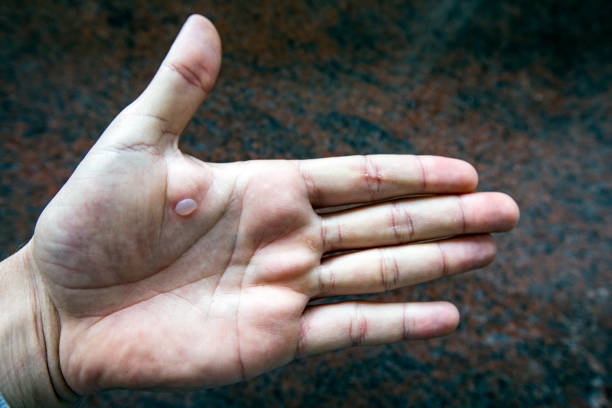

Warts are common skin growths that can appear on the hands, feet, fingers, face, and other areas of the body. Although they are usually harmless, they may cause discomfort, spread to nearby skin, or affect a person's confidence. Preparing properly before treatment can make the experience more comfortable and help patients understand what to expect. People considering Warts Removal Treatment in Riyadh should learn about the available procedures, preparation guidelines, and aftercare requirements before scheduling an appointment.
The preparation process usually begins with a professional skin assessment to confirm that the growth is actually a wart and determine the most suitable removal method. Depending on its size, location, and type, a healthcare professional may recommend cryotherapy, laser treatment, electrosurgery, or another appropriate option. Knowing what to expect can help reduce uncertainty and support a smoother treatment experience. Warts Removal Treatment in Riyadh can be planned according to individual skin concerns and the recommendations of a qualified professional.
Why Is Preparation Important Before Wart Removal?
Preparing for wart removal helps ensure that the affected area is properly assessed and that the patient understands the procedure. It also allows the healthcare professional to review relevant medical information, discuss possible side effects, and explain how to care for the skin afterward.
Good preparation can help patients avoid unnecessary irritation before treatment. It also provides an opportunity to discuss concerns such as discomfort, healing time, possible scarring, and the likelihood of needing more than one session.
Schedule a Professional Skin Assessment
Confirm That the Growth Is a Wart
Not every raised or rough skin growth is a wart. Some skin conditions can look similar, including corns, calluses, skin tags, and other lesions. A professional assessment helps establish the correct diagnosis before any removal procedure is considered.
Discuss Your Skin and Medical History
Inform the healthcare professional about any relevant medical conditions, allergies, previous skin treatments, or history of unusual scarring. Mention any medications or topical products you currently use, especially those that may affect bleeding or skin healing. Do not stop prescribed medication unless your treating professional advises you to do so.
Explain Your Treatment Goals
Tell the professional whether the wart causes pain, discomfort, repeated irritation, or cosmetic concerns. This information can help guide the treatment recommendation and ensure that your expectations are realistic.
How to Prepare Your Skin Before Wart Removal
Keep the Area Clean
Gently clean the affected area before your appointment, unless you have been given different instructions. Avoid applying heavy creams, oils, or cosmetic products directly to the wart on the day of treatment.
Avoid Scratching or Picking the Wart
Do not scratch, cut, squeeze, or attempt to remove the wart yourself before your appointment. These actions may irritate the skin, cause bleeding, or potentially spread the virus to nearby areas.
Avoid Harsh Skin Treatments
Avoid applying strong exfoliants, chemical peels, or unapproved wart-removal products immediately before professional treatment. If you have already used an over-the-counter wart product, inform your healthcare professional.
Do Not Shave Over the Affected Area
Shaving directly over a wart can cause small cuts and irritation. If the wart is in an area where shaving is routine, ask the professional whether any preparation is needed.
What Should You Tell Your Healthcare Professional Before Treatment?
Providing accurate information helps the professional select an appropriate treatment approach. Before the procedure, mention:
-
Any allergies, especially reactions to local anaesthetics, antiseptics, or adhesive dressings.
-
Medications and supplements you currently take.
-
Previous attempts to remove the wart and whether they were successful.
-
Any history of skin infections, delayed wound healing, or excessive scarring.
-
Pregnancy or other relevant health circumstances, where applicable.
Also explain whether the wart has recently changed in size, colour, shape, or appearance. A growth that bleeds, changes unexpectedly, or looks unusual may need further assessment before removal.
Should You Stop Using Wart Removal Products Before Treatment?
If you are using salicylic acid, medicated patches, freezing products, or other over-the-counter treatments, inform your healthcare professional before the appointment. These products can irritate the surrounding skin and may affect how the treated area is assessed.
Your professional may recommend pausing certain products before the procedure, depending on your skin condition and planned treatment. Do not discontinue prescribed medication or treatment without medical advice.
What to Expect During the Wart Removal Appointment
The appointment generally begins with an examination of the affected area. The professional will review the wart's characteristics and explain the recommended removal method. Depending on the technique, the area may be cleaned and local anaesthesia may be used.
Cryotherapy freezes the wart, laser treatment targets the affected tissue, and electrosurgery uses controlled electrical energy to remove it. Some warts may be treated during one appointment, while others require repeated sessions. The professional should explain the expected procedure time, possible discomfort, and recovery requirements beforehand.
What Should You Bring to Your Appointment?
You generally do not need extensive preparation for a routine wart removal consultation. However, it can be helpful to bring:
-
A list of current medications and known allergies.
-
Details of previous wart treatments.
-
Relevant medical information about skin or healing concerns.
-
Any questions about the procedure, recovery, or follow-up visits.
If you have been given specific instructions before the appointment, follow them carefully.
How to Prepare for Recovery After Wart Removal
Preparation should also include planning for the healing period. Depending on the technique, the treated area may develop redness, tenderness, blistering, or a scab. Ask how to clean and protect the area, whether a dressing is needed, and when normal activities can be resumed.
Avoid picking at the treated skin and follow the recommended wound-care instructions. If you notice increasing pain, spreading redness, unusual discharge, or fever after treatment, seek medical advice. Proper aftercare helps protect the healing skin and may reduce the risk of complications.
Book Your Wart Removal Consultation at Royal Clinic Saudia
Preparing for treatment begins with understanding your skin concern and receiving professional guidance. Royal Clinic Saudia can assess the affected area, discuss suitable wart removal options, and explain how to prepare for the procedure and care for your skin afterward. Schedule a consultation to discuss a treatment approach based on your individual needs.
FAQs:
Should I clean the wart before my removal appointment?
Gently cleaning the area is generally appropriate unless your healthcare professional provides different instructions. Avoid applying heavy creams or irritating products directly to the wart before treatment.
Can I use wart removal cream before professional treatment?
Inform your healthcare professional if you are using any wart removal cream or medicated patch. They can advise whether you should pause the product before your appointment.
Do I need to avoid eating before wart removal?
Most minor wart removal procedures do not require fasting. However, if sedation or a specific procedure is planned, follow the instructions provided by your healthcare professional.
Should I shave the area before wart removal?
Avoid shaving directly over the wart because it may cause irritation or small cuts. Ask your healthcare professional whether any specific preparation is needed for the treatment area.