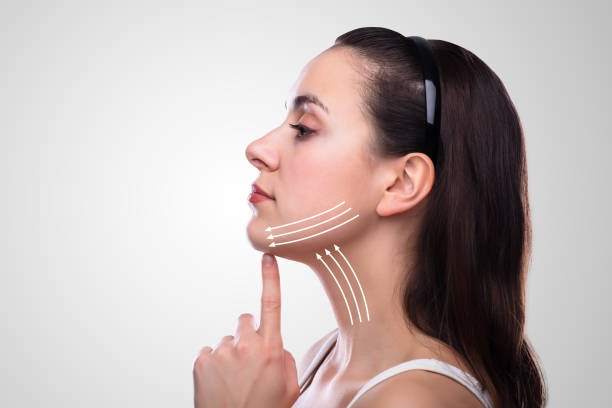

Facelift surgery is a cosmetic procedure that helps improve visible signs of aging, including sagging skin, deep facial folds, and reduced jawline definition. Although the procedure can create a refreshed appearance, recovery is an important part of achieving the desired outcome. Patients considering Facelift surgery in Riyadh (جراحة شد الوجه في الرياض) often want to know how long healing takes, when swelling disappears, and when they can return to their usual activities.
The recovery process is different for every individual and depends on the surgical technique, extent of treatment, general health, and natural healing ability. Some patients feel comfortable resuming light activities within a couple of weeks, while complete healing and the appearance of final results may take several months. Understanding each recovery stage can help patients prepare and follow appropriate aftercare.
What Is the General Recovery Timeline After Facelift Surgery?
Facelift recovery happens gradually rather than all at once. Swelling, bruising, and tightness are common during the early stages, but these symptoms generally improve with time. The following timeline provides a general overview of what patients may experience.
First 24 to 48 Hours: Initial Recovery
The first two days are usually focused on rest and monitoring. Patients may experience swelling, bruising, tenderness, and a feeling of tightness around the cheeks, jawline, and ears.
During this stage, the surgeon may recommend:
-
Resting and avoiding unnecessary physical activity.
-
Keeping the head elevated while sleeping.
-
Taking prescribed medications as instructed.
-
Following specific instructions for dressings and incision care.
-
Attending any scheduled early follow-up appointments.
Patients should arrange assistance with daily activities during the initial recovery period, especially while the effects of anesthesia and medication are wearing off.
Days 3 to 7: Swelling and Bruising
During the first week, swelling and bruising may become more noticeable before gradually improving. Some patients may experience temporary numbness, facial tightness, or tenderness around the surgical areas.
The surgeon may schedule a follow-up visit to examine the incisions and assess healing. Depending on the surgical technique, some sutures or dressings may be removed during this period. Patients should continue resting and avoid bending, heavy lifting, and strenuous activities.
Week 2: Gradual Improvement
By the second week, many patients notice that bruising and swelling have started to decrease. Facial tightness may still be present, but everyday movements often become more comfortable.
Some individuals may feel ready to return to non-strenuous work or social activities, depending on their recovery and the nature of their job. Makeup should only be used when the surgeon confirms that the incision areas have healed sufficiently.
Weeks 3 to 4: Returning to Normal Activities
During weeks three and four, visible bruising usually continues to fade, and facial swelling becomes less noticeable. Patients may begin feeling more confident about their appearance, although subtle swelling and changes in sensation can remain.
Light exercise may be gradually reintroduced if the surgeon approves. Activities that involve significant exertion, heavy lifting, or increased blood pressure should remain restricted until medical clearance is provided.
One to Three Months: Continued Healing
Between one and three months, the facial tissues continue to settle. The contours of the cheeks, jawline, and neck may become more defined as residual swelling decreases.
Some patients may still notice firmness, mild numbness, or occasional tightness around the treated areas. These sensations can improve gradually as the tissues recover.
Three to Six Months: Results Become More Refined
By this stage, much of the healing process has generally progressed, and the results may look more natural and settled. However, individual recovery can continue beyond six months, particularly when extensive procedures have been performed.
The final appearance depends on the surgical technique, skin characteristics, healing response, and other individual factors.
What Factors Can Affect Facelift Recovery Time?
Not everyone follows the same recovery schedule. Several factors can influence how quickly a patient heals after Facelift surgery in Riyadh.
-
Type of facelift: A mini facelift may involve a different recovery experience than a full facelift or a procedure combined with neck surgery.
-
Extent of treatment: More extensive tissue adjustments can require additional healing time.
-
Age and general health: Overall health and the body's natural healing ability can influence recovery.
-
Skin condition: Individual skin characteristics may affect how tissues settle after surgery.
-
Lifestyle habits: Smoking and certain lifestyle factors can interfere with healing.
-
Aftercare compliance: Following medical instructions and attending follow-up visits supports proper recovery.
A surgeon can provide a more personalized timeline after evaluating the patient's facial concerns and treatment plan.
How Can You Recover Faster After Facelift Surgery?
Although healing cannot be rushed, following appropriate aftercare instructions can support a smoother recovery. Patients should:
-
Keep the head elevated while resting, as advised by the surgeon.
-
Take prescribed medications according to the recommended schedule.
-
Maintain proper hydration and eat balanced, nutritious meals.
-
Avoid smoking and follow medical advice regarding alcohol.
-
Protect healing skin from direct sunlight.
-
Avoid strenuous exercise until medically cleared.
-
Keep incision areas clean and follow wound-care instructions.
-
Attend all recommended follow-up appointments.
Patients should not apply skincare products, massage treated areas, or use cold compresses unless these measures have been approved by their surgeon.
When Can You See the Final Results of Facelift Surgery?
Initial improvements may become noticeable once early swelling and bruising begin to subside. However, the face continues to heal over the following weeks and months. The final appearance is usually assessed after sufficient time has passed for swelling to settle and tissues to adjust.
The results of Facelift surgery in Riyadh can include improved facial contours, reduced sagging, and a firmer-looking jawline. However, outcomes vary, and the procedure does not stop the natural aging process. Maintaining a healthy lifestyle and following appropriate skincare recommendations may help support long-term skin health.
When Should You Contact Your Surgeon During Recovery?
Mild swelling, bruising, tenderness, and tightness are common after facelift surgery. However, patients should contact their surgical team if they experience symptoms that seem unusual or worsen instead of improving.
Seek prompt medical attention for severe or increasing pain, sudden significant swelling, excessive bleeding, fever, spreading redness, unusual discharge, or changes in skin color. Sudden swelling accompanied by severe pain requires urgent assessment.
Book Your Facelift Surgery Consultation at Royal Clinic Saudia
If you are considering facelift surgery and want to understand the recovery process, arrange a consultation at Royal Clinic Saudia (عيادات رويال كلينك). A specialist can assess your facial concerns, discuss suitable surgical options, and explain the expected healing stages based on your individual needs. A personalized treatment plan can help you prepare for surgery and make informed decisions about your results.
FAQs:
How many days does it take to recover from facelift surgery?
Many patients need around two weeks before feeling comfortable returning to some routine activities. However, complete healing and refinement of results can take several months, depending on the procedure and individual recovery.
When does swelling go down after a facelift?
Swelling is generally most noticeable during the first few days and gradually decreases over the following weeks. Some residual swelling may remain for several months.
When can I return to work after facelift surgery?
Patients with non-strenuous jobs may be able to return within approximately two weeks, depending on bruising, swelling, and comfort. Those with physically demanding jobs may need additional recovery time and medical approval.
How long do facelift surgery results take to look natural?
The face gradually looks more settled as swelling decreases and tissues heal. Many patients notice continued improvement over three to six months, although the timeline varies from person to person.