

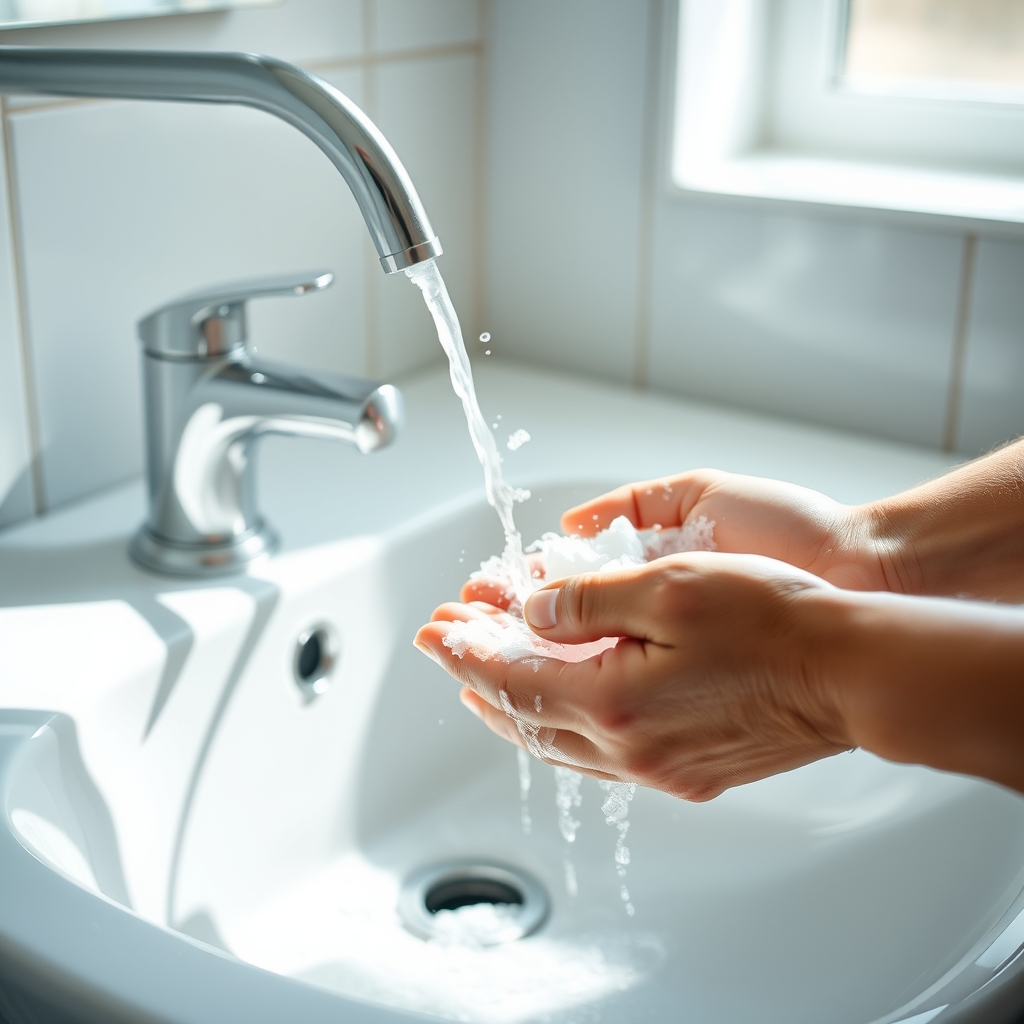
How to Wash Your Hands Properly: 5 Simple Steps

How to Wash Your Hands Properly: 5 Simple Steps
Washing your hands is one of the simplest things you can do to stay healthy. We all do it many times a day. But many people rush, skip soap, or forget to wash at key times. Learning the right way takes only a minute, and it can help protect you and the people around you.
Quick answer: To wash your hands properly, wet them with clean, running water and apply soap. Rub your hands together to make a lather. Scrub all parts of your hands for at least 20 seconds. Rinse well under clean, running water. Then dry your hands with a clean towel or air dryer. If soap and water are not available, use a hand sanitizer with at least 60% alcohol.
Why Handwashing Matters
Our hands touch many things every day, like door handles, phones, money, and food. Germs can move from these surfaces to our hands, and then to our eyes, nose, or mouth.
The U.S. Centers for Disease Control and Prevention (CDC) says in its handwashing guide that \"washing hands with soap and water is the best way to get rid of germs in most situations.\"
The 5 Steps to Wash Your Hands
The CDC shares five simple steps:
Step 1: Wet
\"Wet your hands with clean, running water (warm or cold), turn off the tap, and apply soap.\" The water does not need to be hot. Warm or cold both work.

Step 2: Lather
\"Lather your hands by rubbing them together with the soap.\" Make sure the soap covers every part of your hands, including:
- The backs of your hands.
- Between your fingers.
- Under your nails.
- Your thumbs.
- Your wrists.
Step 3: Scrub
\"Scrub your hands for at least 20 seconds.\" This is longer than most people think. Count slowly to 20, or hum a short song in your head to keep time.
Step 4: Rinse
\"Rinse your hands well under clean, running water.\" Make sure all the soap is gone.
Step 5: Dry
\"Dry your hands using a clean towel or an air dryer.\" Wet hands can pick up germs more easily, so dry them well.

Quick Handwashing Checklist
| Step | What to Do |
|---|---|
| 1. Wet | Clean, running water; apply soap |
| 2. Lather | Rub hands together, including backs, fingers, and nails |
| 3. Scrub | At least 20 seconds |
| 4. Rinse | Under clean, running water |
| 5. Dry | Clean towel or air dryer |
When Should You Wash Your Hands?
The CDC lists these key times when germs are likely to spread:
- Before, during, and after preparing food.
- Before and after eating food.
- Before and after caring for someone at home who is sick with vomiting or diarrhea.
- Before and after treating a cut or wound.
- After using the toilet.
- After blowing your nose, coughing, or sneezing.
- After touching an animal, animal feed, or animal waste.
- After touching garbage.
It is also a good idea to wash your hands when you come home from outside, and whenever they look dirty.
What About Hand Sanitizer?
Soap and water is the best choice in most situations. But sometimes you cannot reach a sink, like when you are traveling.
The CDC says: \"If soap and water are not readily available, you can use an alcohol-based hand sanitizer\" that contains at least 60% alcohol. Check the label to see the alcohol amount.
To use hand sanitizer:
- Put enough on your palm to cover both hands.
- Rub it over all parts of your hands and fingers.
- Keep rubbing until your hands feel dry.
Follow the directions on the product label, and keep sanitizer out of reach of young children.

Common Handwashing Mistakes
- Skipping soap. Water alone is not enough.
- Rushing. A quick splash does not clean well. Aim for at least 20 seconds of scrubbing.
- Missing spots. Thumbs, fingertips, and the backs of hands are often missed.
- Not drying. Wet hands can spread germs more easily.
- Using a dirty towel. Wash hand towels often, and use clean ones.
Teaching Children to Wash Their Hands
Children learn best by watching and practicing. Here are a few simple ideas:
- Wash your hands together, step by step.
- Use a short song or counting game to make 20 seconds fun.
- Place a small step stool so they can reach the sink safely.
- Praise them when they remember to wash at key times.
Share Healthy Habits
Simple habits like handwashing can protect whole families and communities. On WeConectus, you can join communities, share helpful tips, and connect with people who care about healthy living. Learn more about WeConectus.
Frequently Asked Questions
How long should I wash my hands?
The CDC says to scrub your hands for at least 20 seconds.
Does the water need to be hot?
No. The CDC says you can use clean, running water that is warm or cold.
When is it most important to wash my hands?
Key times include before and after preparing or eating food, after using the toilet, after blowing your nose or sneezing, after touching animals, and after touching garbage.
Is hand sanitizer as good as soap and water?
The CDC says soap and water is the best way to get rid of germs in most situations. Use hand sanitizer with at least 60% alcohol when soap and water are not available.
How much alcohol should hand sanitizer have?
The CDC recommends hand sanitizer with at least 60% alcohol. Check the product label.
Which parts of the hands do people often miss?
Thumbs, fingertips, under the nails, between the fingers, and the backs of the hands are often missed.
How can I make handwashing fun for kids?
Wash together, use a short song or counting game for 20 seconds, and praise them for remembering.
Final Thoughts
Proper handwashing is quick, easy, and powerful. Wet, lather, scrub for at least 20 seconds, rinse, and dry. Wash at key times, like before eating and after using the toilet. When soap and water are not available, use a hand sanitizer with at least 60% alcohol. Small habits like this can help keep you and your family healthy.
This article is for general information only and is not medical advice. For health concerns, speak with a doctor or qualified health professional.


