

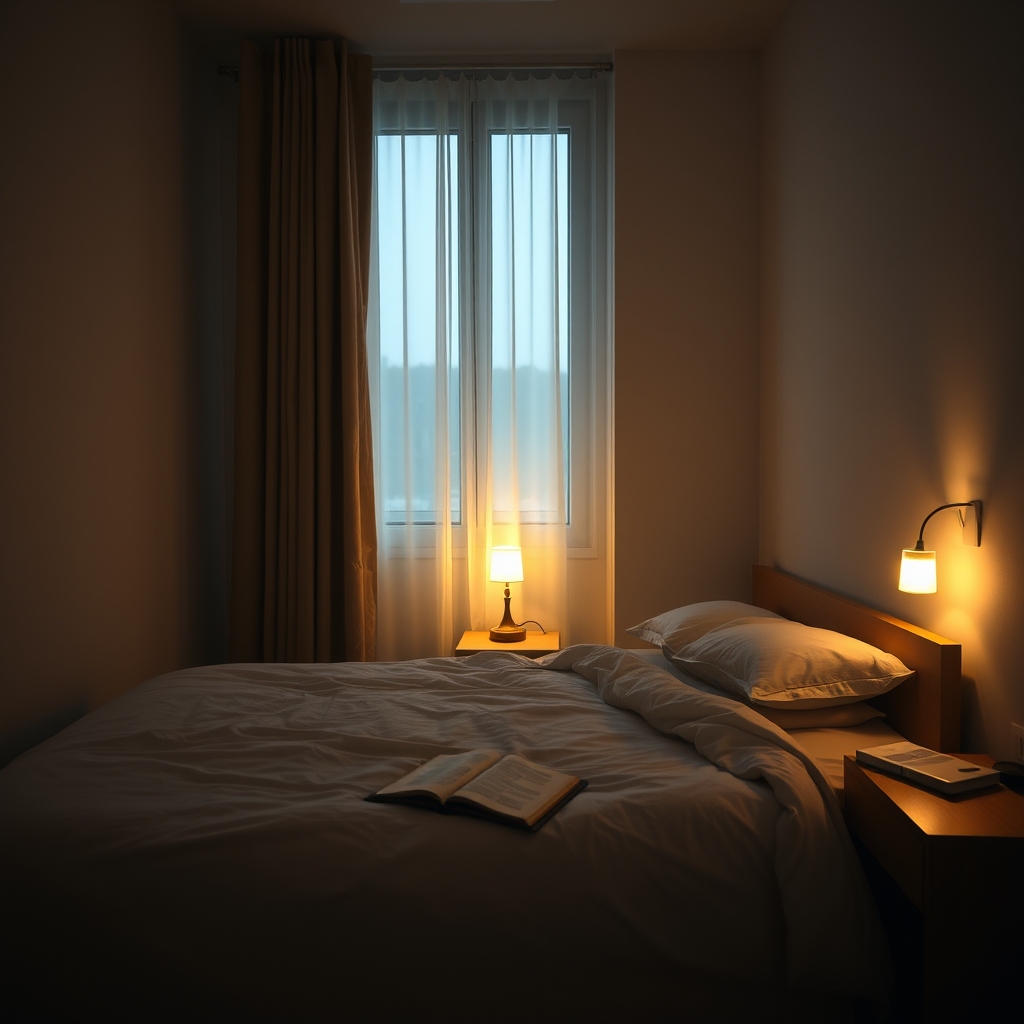
How to Sleep Better: 10 Simple Habits for Better Rest

How to Sleep Better: 10 Simple Habits for Better Rest
Do you lie awake at night scrolling on your phone? Or wake up tired even after a full night in bed? You are not alone. Busy days, screens, and stress can all make good sleep harder. The good news is that small daily habits can help you rest better.
Quick answer: To sleep better, go to bed and wake up at the same time every day. Aim for at least 7 hours of sleep. Keep your bedroom dark, quiet, and cool. Put screens away before bed. Avoid caffeine late in the day, heavy meals close to bedtime, and long naps. Stay active during the day, and give yourself time to wind down at night.
How Much Sleep Do You Need?
According to the Beach Cities Health District, \"The CDC recommends that adults get at least seven hours of sleep each night.\" Harvard Health Publishing suggests seven to nine hours for most adults. Teens and children need more.
Everyone is a little different. The key is to feel rested and alert during the day.
What Is \"Sleep Hygiene\"?
Sleep hygiene means the daily habits and bedroom setup that help you sleep well. It is not about being clean. It is about building a routine that makes good sleep easier.

10 Habits for Better Sleep
1. Keep a Regular Schedule
Beach Cities Health District advises: \"Go to bed and wake up at the same time each day, weekends included.\" A steady schedule helps your body's internal clock.
2. Create a Wind-Down Routine
Harvard Health suggests setting aside about an hour before bed to relax. You might read a book, take a warm shower, stretch gently, or listen to calm music.
3. Put Screens Away
Phones, tablets, and laptops can keep your mind busy. Harvard Health advises putting away electronic devices before bed, except for calming music or a guided relaxation routine. Try keeping your phone outside the bedroom, or at least out of reach.
4. Make Your Bedroom Dark
Light can make it harder to sleep. Harvard Health suggests: \"Minimize light. Consider light-blocking curtains or shades if outside lights shine into your bedroom.\"
5. Keep It Cool and Quiet
A cooler room often feels better for sleep. Harvard Health suggests about 65°F to 68°F (about 18°C to 20°C) at night. A fan can help in hot weather and can also block noise.

6. Watch Your Caffeine
Tea, coffee, energy drinks, and some soft drinks contain caffeine. Harvard Health advises: \"Avoid caffeine after lunch if it keeps you awake at night.\"
7. Eat Dinner Earlier
Large meals right before bed can make it harder to fall asleep. Harvard Health suggests eating evening meals \"at least three hours before bedtime.\"
8. Keep Naps Short
Long or late naps can make it hard to sleep at night. Harvard Health notes that sleep experts suggest naps of \"half an hour or less,\" taken earlier in the day.
9. Stay Active During the Day
Beach Cities Health District advises: \"Stay active during the day to help you fall asleep at night.\" Even a daily walk can help. But for some people, hard exercise close to bedtime can make it harder to fall asleep, so see what works for you.
10. Use Your Bed for Sleep
Try not to work, study, or scroll in bed. Harvard Health even suggests keeping work-related things in another room. This helps your brain link your bed with rest.

A Simple Evening Routine Example
| Time Before Bed | What to Do |
|---|---|
| 3 hours | Finish your evening meal |
| 1 hour | Put away screens and work; dim the lights |
| 45 minutes | Take a warm shower or wash up |
| 30 minutes | Read, stretch gently, or listen to calm music |
| Bedtime | Lights off, same time as every night |
This is just an example. Adjust the times to fit your life.
What If You Cannot Fall Asleep?
Lying in bed feeling frustrated can make things worse. If you cannot sleep after a while, get up and do something calm in dim light, like reading. Go back to bed when you feel sleepy.
When to Talk to a Doctor
Habits help many people, but they cannot fix every sleep problem. Talk to a doctor if you often have trouble sleeping, snore loudly, wake up gasping, or feel very tired during the day even after enough sleep. These can be signs of a health issue that needs proper care.
Share Healthy Habits With Others
Building new habits is easier with support. On WeConectus, you can join communities, share your progress, and connect with people working on healthy routines. Learn more about WeConectus.
Frequently Asked Questions
How many hours of sleep do adults need?
The CDC recommends at least 7 hours of sleep a night for adults. Harvard Health suggests 7 to 9 hours for most adults.
Why is a regular sleep schedule important?
Going to bed and waking up at the same time every day helps your body's internal clock, which can make sleep easier.
Do phones affect sleep?
Screens can keep your mind active and make it harder to relax. Try putting devices away before bed.
Is it okay to nap during the day?
Short naps can be fine. Harvard Health notes that experts suggest naps of half an hour or less, taken earlier in the day.
What time should I stop drinking coffee or tea?
If caffeine keeps you awake, Harvard Health suggests avoiding it after lunch.
What should I do if I cannot fall asleep?
Get up and do something calm in dim light, like reading. Go back to bed when you feel sleepy.
When should I see a doctor about sleep?
See a doctor if sleep problems last a long time, you snore loudly, wake up gasping, or feel very tired during the day.
Final Thoughts
Better sleep often starts with small, steady habits. Keep a regular schedule, make your bedroom dark and cool, put screens away, and give yourself time to wind down. Watch caffeine and late meals, and stay active during the day. Try one or two changes this week, and build from there.
This article is for general information only and is not medical advice. If you have ongoing sleep problems, speak with a doctor or qualified health professional.


