

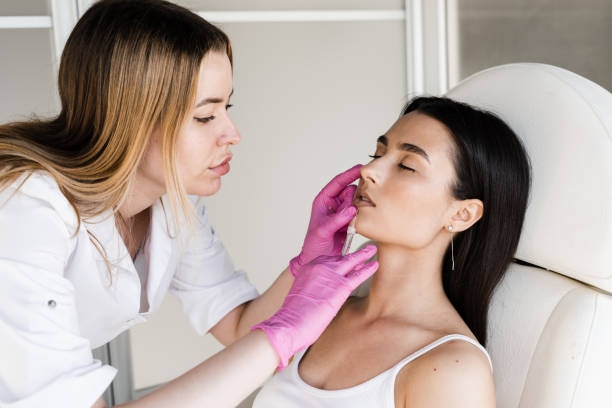

Rhinoplasty is a surgical procedure that changes the shape, structure, or function of the nose. While the procedure itself may take a few hours, the healing process continues for several months as swelling gradually decreases and nasal tissues settle into their new shape. Understanding each recovery stage helps patients prepare for temporary changes and follow the right aftercare practices. Rhinoplasty in Riyadh (عملية تجميل الانف في الرياض) is an option for individuals considering nasal reshaping or functional correction, but knowing what happens after surgery is equally important when planning treatment.
The recovery experience varies depending on the surgical technique, the extent of correction, and individual healing patterns. Some patients notice significant improvements within the first few weeks, while subtle swelling, particularly around the nasal tip, may take much longer to disappear. Following the surgeon's instructions, attending follow-up appointments, and allowing enough time for healing can support a smoother recovery.
What Happens Immediately After Rhinoplasty Surgery?
Immediately after rhinoplasty, patients are monitored while recovering from anesthesia. Depending on the procedure, a nasal splint may be placed over the nose to provide support and protect the surgical structure. Internal supports or dressings may also be used in selected cases.
During the first few hours, patients may experience:
-
Swelling around the nose and cheeks.
-
Bruising beneath the eyes.
-
Mild discomfort or pressure.
-
Temporary nasal congestion.
-
A small amount of drainage or spotting.
-
Tiredness or grogginess following anesthesia.
These effects are generally expected during early recovery. Patients should arrange for someone to accompany them home if the procedure is performed on an outpatient basis. The surgeon will provide instructions about medication, rest, wound care, and follow-up visits.
Rhinoplasty Recovery Timeline: What to Expect
Healing does not happen all at once. Different tissues recover at different speeds, and the nose gradually settles over time.
First 24 to 48 Hours
The first two days are usually focused on rest and managing early swelling. Bruising and congestion may become more noticeable during this period. Patients are generally advised to keep their heads elevated while resting and avoid unnecessary physical activity.
Cold compresses may be recommended around the cheeks or eyes, but they should not place pressure on the nose. Medication should only be taken according to the surgeon's instructions.
First Week After Surgery
During the first week, swelling and bruising may remain visible, although some patients begin to notice gradual improvement. The nose may feel blocked because of internal swelling and healing tissues.
A follow-up appointment is commonly scheduled during this stage. If an external splint or certain stitches were used, the surgeon may remove them when appropriate. Patients should avoid touching, rubbing, or attempting to adjust the nose.
Second Week of Recovery
By the second week, many patients experience a reduction in visible bruising and some swelling. Everyday activities may become easier, depending on the surgeon's assessment.
However, the nose is still healing internally. Patients should continue avoiding strenuous exercise, heavy lifting, and activities that could accidentally injure the nose. Returning to work or social activities depends on individual recovery and the nature of the procedure.
Weeks Three to Six
During this stage, swelling generally continues to decrease, and the nose may begin to look more refined. Breathing may also become more comfortable as internal swelling settles, although this depends on whether functional corrections were performed.
Light physical activities may be gradually reintroduced after medical clearance. Contact sports and activities involving a risk of nasal impact should remain restricted until the surgeon confirms that it is safe.
Three to Six Months
Over the following months, the nasal tissues continue to heal and settle. Most noticeable swelling may have improved, but subtle swelling can remain, particularly around the nasal tip.
The nose gradually develops a more defined appearance. Patients should continue attending follow-up appointments so the surgeon can assess healing and identify any concerns.
Six to Twelve Months and Beyond
The final nasal shape may take approximately a year or longer to become fully apparent. This is especially relevant for patients who undergo more extensive reshaping or have thicker nasal skin.
Minor changes can continue as tissues mature and residual swelling disappears. The final timeline varies according to the surgical technique, anatomy, and individual healing response.
Common Symptoms During the Healing Process
Temporary changes are a normal part of recovery, although their intensity varies between patients.
Common experiences include:
-
Swelling: The nose and surrounding areas may appear puffy during early recovery.
-
Bruising: Discoloration around the eyes may occur and gradually fade.
-
Congestion: Internal swelling can make nasal breathing difficult temporarily.
-
Mild discomfort: Tenderness or pressure may occur as tissues heal.
-
Numbness: Some areas of the nose, especially the tip, may feel temporarily less sensitive.
-
Dryness or crusting: Healing tissues may cause temporary dryness inside the nasal passages.
Patients should contact their surgeon if symptoms become unusually severe, worsen unexpectedly, or are accompanied by concerning changes.
How to Take Care of Your Nose After Rhinoplasty
Proper aftercare helps protect the surgical area and supports recovery. Although specific instructions depend on the procedure, several general practices are commonly recommended.
Keep Your Head Elevated
Keeping the head elevated while sleeping or resting may help reduce swelling. Patients should follow the surgeon's guidance about sleeping positions and when they can comfortably return to their usual routine.
Avoid Pressure on the Nose
Do not rub, press, or massage the nose unless specifically instructed. Patients should also discuss when it is safe to wear glasses, as pressure on the healing nasal bridge may need to be avoided.
Follow Medication Instructions
Take prescribed medication exactly as directed. Do not start additional medication or supplements without checking with the surgeon, as some products may increase bleeding risk or interfere with recovery.
Protect the Nose From Injury
Avoid contact sports, rough activities, and situations where the nose could be bumped. Sun protection may also be recommended because healing skin can be sensitive.
Attend Follow-Up Appointments
Scheduled visits allow the surgeon to monitor swelling, healing, nasal structure, and breathing. These appointments are important even when recovery appears to be progressing normally.
What Activities Should You Avoid During Recovery?
Patients should temporarily limit activities that may increase swelling, bleeding, or the risk of injury. The exact restrictions depend on the surgery and individual progress.
Common precautions include:
-
Avoiding strenuous exercise until medically cleared.
-
Not lifting heavy objects during the initial recovery period.
-
Avoiding bending forward excessively during early healing.
-
Not blowing the nose forcefully until permitted.
-
Avoiding swimming or other activities that may expose healing tissues to irritation.
-
Avoiding contact sports until the surgeon confirms that the nose is sufficiently healed.
Following these precautions helps protect the nose while tissues regain strength.
When Should You Contact Your Surgeon?
Some swelling, bruising, and congestion are expected, but certain symptoms require prompt medical attention. Patients should contact their surgical team if they experience heavy or persistent bleeding, severe or worsening pain, fever, increasing redness, unusual discharge, or sudden changes in breathing.
Difficulty breathing, chest pain, or other severe symptoms may require urgent medical evaluation. Patients should not assume that every symptom is a normal part of recovery.
Book a Rhinoplasty Consultation at Royal Clinic Saudia
Understanding the healing process can help patients feel more prepared before undergoing nasal surgery. At Royal Clinic Saudia (عيادات رويال كلينك), individuals can discuss their aesthetic or functional concerns, learn about suitable surgical approaches, and receive guidance about recovery and aftercare. A professional consultation helps establish realistic expectations and a personalized treatment plan based on individual nasal structure and goals.
FAQs:
How long does it take to recover fully from rhinoplasty?
Initial recovery generally takes a few weeks, while subtle swelling may continue for several months. The final nasal shape often becomes clearer within a year, although some patients may need longer.
When can I return to work after rhinoplasty?
Some patients return to work or normal daily activities after one to two weeks, depending on bruising, swelling, the nature of their work, and their surgeon's advice.
Is swelling normal several months after rhinoplasty?
Yes. Mild swelling can remain for several months, particularly around the nasal tip. It usually decreases gradually as the tissues heal.
When can I exercise after rhinoplasty?
Light activities may be resumed when approved by the surgeon. Strenuous exercise, heavy lifting, and contact sports should be avoided until the surgical team confirms that it is safe.


