

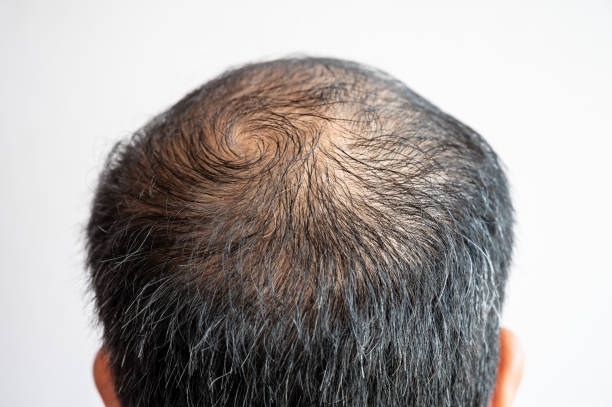

Hair thinning and excessive hair shedding can affect people at different stages of life. While genetics, hormonal changes, nutritional deficiencies, and medical conditions can contribute to hair loss, modern dermatology offers several options to help manage the problem. One approach receiving attention is low-level laser therapy, a non-invasive technique that uses specific wavelengths of light to support hair follicle activity. As awareness of Hair Loss Treatment in Riyadh grows, more people are exploring whether laser-based procedures can improve hair thickness and reduce gradual thinning. Understanding the science, potential benefits, and limitations of this treatment can help individuals make informed decisions.
Laser therapy for hair loss is commonly known as low-level laser therapy (LLLT) or photobiomodulation. It uses red or near-infrared light at controlled energy levels to interact with cells in the scalp. Unlike hair-removal lasers, this approach is designed to support rather than destroy hair follicles. The goal of Hair Loss Treatment in Riyadh using low-level laser technology is to encourage healthier follicle activity and potentially improve hair density over time. Although research has reported encouraging results, outcomes vary depending on the cause of hair loss and the treatment method.
What Is Laser Therapy for Hair Loss?
Low-level laser therapy is a non-invasive treatment that delivers controlled light energy to the scalp. It is available through professional treatment devices and certain home-use systems, such as laser caps, combs, and helmets.
The treatment is different from high-energy cosmetic laser procedures. Low-level devices are designed to deliver light without intentionally damaging the skin or hair follicles. Their purpose is to stimulate cellular responses that researchers believe may support the natural hair growth process.
How Does Laser Therapy Help Reduce Hair Loss?
Supports Cellular Activity
Low-level laser light is believed to interact with components inside cells, including structures involved in energy production. This process may influence cellular activity and biological signaling within the scalp. Researchers are studying how these responses may contribute to healthier follicle function.
May Improve Hair Follicle Activity
Hair follicles naturally move through growth, transition, and resting phases. Some research suggests that low-level light therapy may help support the growth phase in certain people with pattern hair loss. This could contribute to improvements in hair density and thickness, although individual responses differ.
May Improve Hair Thickness
When follicles produce thinner strands, the hair may gradually appear less dense. Clinical studies have reported improvements in hair count and hair thickness following repeated low-level laser treatments. These findings suggest that the procedure may be useful for selected individuals, particularly those experiencing hereditary pattern hair loss.
Supports a Non-Invasive Treatment Approach
One potential advantage of low-level laser therapy is that it does not require injections or surgical incisions. Treatment is generally painless or causes minimal discomfort, making it an option for people who prefer non-surgical approaches. However, suitability should still be assessed by a qualified professional.
Which Types of Hair Loss Can Laser Therapy Help With?
Research has focused mainly on androgenetic alopecia, also known as male or female pattern hair loss. This condition is associated with genetic and hormonal factors and usually causes gradual thinning in specific areas of the scalp.
Laser therapy has also been investigated for other forms of hair loss, but evidence is more limited. Hair shedding caused by stress, illness, nutritional deficiencies, thyroid problems, medication, or scalp inflammation may require different treatment. A dermatologist should identify the underlying cause before recommending a laser-based procedure.
What Happens During a Laser Hair Therapy Session?
Before treatment, a practitioner examines the scalp and reviews the patient's hair-loss history. This assessment helps determine whether low-level laser therapy may be appropriate and whether additional investigations are needed.
During a professional session, a specialized device is positioned over the affected areas of the scalp. It delivers light at selected wavelengths and energy levels for a specified period. The treatment duration and frequency depend on the device and the individual's treatment plan.
Patients using home devices should follow the manufacturer's instructions and professional guidance. Using a device more frequently or at higher settings than recommended does not necessarily improve results.
How Long Does Laser Therapy Take to Show Results?
Hair growth is gradual, so visible improvements usually require consistent treatment over several months. Some studies have reported changes after repeated sessions over periods of approximately three to six months, but the response varies between individuals.
Regular follow-up appointments and scalp photographs can help assess progress. A practitioner may recommend continuing treatment if improvements are observed and the approach remains suitable. If there is no meaningful response, the diagnosis and treatment plan should be reviewed.
Are There Any Side Effects of Laser Hair Therapy?
Low-level laser therapy is generally considered well tolerated when used appropriately. Some people may experience temporary scalp tenderness, itching, warmth, or irritation. Eye protection and correct device use are important, particularly when recommended by the manufacturer or practitioner.
People with scalp conditions, light sensitivity, or medications that increase sensitivity to light should seek medical advice before starting treatment. It is also important to distinguish low-level laser devices from other laser procedures, which may have different risks and recovery requirements.
Can Laser Therapy Be Combined With Other Hair Loss Treatments?
Laser therapy may be considered alongside established treatments, depending on the individual's diagnosis. For example, some studies have investigated combining low-level laser therapy with topical minoxidil for androgenetic alopecia. A 2025 systematic review of randomized trials reported better hair-density outcomes with the combination than with minoxidil alone, although research findings and treatment protocols are not completely consistent.
Other options may include prescription medication, treatment of nutritional deficiencies, or management of underlying scalp conditions. Combining treatments should always be guided by a qualified practitioner rather than attempting several procedures without a clear plan.
Book a Hair Consultation at Royal Clinic Saudia
Choosing the right approach to hair restoration starts with understanding why hair loss is occurring. At Royal Clinic Saudia, individuals can seek a professional consultation to discuss scalp health, hair thinning, and available treatment options. A personalized assessment can help determine whether laser therapy or another approach may be suitable for their hair-care needs.
FAQs:
Does laser therapy really help reduce hair loss?
Research suggests that low-level laser therapy may improve hair density and thickness in some people with hereditary pattern hair loss. However, results vary, and it is not effective for every cause of hair shedding.
Is laser therapy safe for hair regrowth?
Low-level laser therapy is generally well tolerated when used correctly. Temporary irritation or scalp discomfort may occur, and professional advice is recommended before starting treatment.
How many laser therapy sessions are needed for hair growth?
The number and frequency of sessions depend on the device and treatment plan. Consistent use over several months is commonly needed before improvements can be assessed.
Can laser therapy regrow hair on completely bald areas?
Laser therapy is generally intended to support existing hair follicles rather than create new ones. Areas where follicles have been permanently destroyed or are no longer active are unlikely to respond in the same way.


