

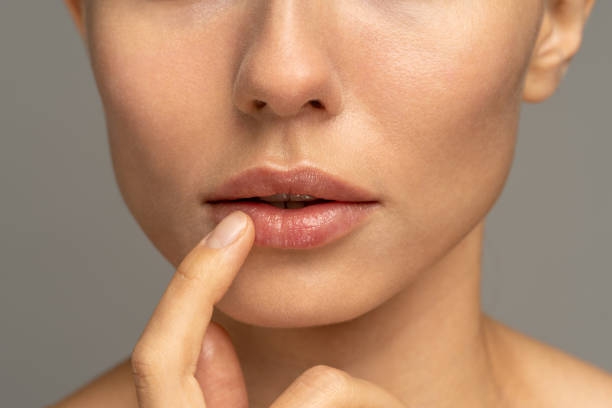

Lip reduction surgery is a cosmetic procedure that removes excess tissue from the upper lip, lower lip, or both to create a more balanced and proportionate appearance. Although the procedure can help achieve the desired lip shape, proper aftercare is essential for supporting healing and protecting the surgical results. Knowing what to avoid after Lip Reduction Surgery in Riyadh can help minimize irritation, reduce the risk of complications, and make the recovery process more comfortable. Simple precautions during the first few weeks can make an important difference in how the treated area heals.
After surgery, the lips may be swollen, tender, bruised, or sensitive. These effects are generally part of the healing process, but certain activities and habits can place unnecessary pressure on the surgical area. Patients should follow their surgeon's instructions carefully and avoid anything that could disturb the incision, delay healing, or increase the risk of infection. Understanding what not to do after Lip Reduction Surgery in Riyadh helps patients protect the treated area while allowing the tissues enough time to recover naturally.
1. Avoid Touching or Pressing Your Lips
After surgery, the lips need time to heal. Frequently touching, rubbing, pulling, or pressing the treated area can irritate the incision and interfere with recovery.
Avoid:
-
Touching the surgical area with unwashed hands.
-
Pulling or stretching the lips unnecessarily.
-
Picking at stitches or healing tissue.
-
Pressing the lips while sleeping or resting.
If you need to clean the area or apply an approved product, follow your surgeon's hygiene instructions.
2. Avoid Hard and Difficult-to-Chew Foods
Eating foods that require excessive chewing or wide mouth movements can cause discomfort during early recovery. Hard, crunchy, and chewy foods may also irritate the treated area.
During the initial healing period, consider avoiding:
-
Hard nuts and crunchy snacks.
-
Tough meats and chewy foods.
-
Hard crusty bread.
-
Very spicy foods if they cause irritation.
-
Foods that are extremely hot.
Choose soft foods that are easy to eat, such as yogurt, mashed vegetables, soft eggs, and appropriately cooled soups. Gradually return to your regular diet according to your surgeon's advice.
3. Avoid Smoking and Nicotine Products
Smoking and nicotine use can interfere with blood circulation and reduce the oxygen supply needed for tissue healing. This may increase the risk of delayed recovery, wound complications, and infection.
Avoid cigarettes, vaping products, and other nicotine products for the period recommended by your surgeon. If you smoke regularly, discuss a plan to stop before surgery and remain nicotine-free during recovery.
4. Avoid Alcohol During Early Recovery
Alcohol may interact with certain medications and can complicate postoperative care. It may also contribute to dehydration, which is not helpful during the healing process.
Avoid alcohol for the period recommended by your medical team, particularly while taking prescribed pain medication or antibiotics. Ask your surgeon when it is appropriate to resume drinking.
5. Avoid Strenuous Exercise and Heavy Physical Activity
Intense exercise can increase blood pressure and may worsen swelling or bleeding during early recovery. Activities that put pressure on the face or risk accidental injury to the lips should also be avoided.
For the initial recovery period, avoid:
-
Heavy weightlifting.
-
Running and high-intensity workouts.
-
Contact sports.
-
Activities that could cause facial impact.
-
Exercise that causes significant discomfort.
Light walking may be acceptable if your surgeon approves it. Return to strenuous activities gradually after receiving medical clearance.
6. Avoid Excessive Lip Movement
Normal speaking and gentle facial expressions are generally unavoidable, but excessive movement can cause discomfort while the tissues heal.
Try to avoid unnecessary stretching, exaggerated facial expressions, and activities that place repeated pressure on your lips. Your surgeon may also recommend temporarily avoiding certain activities, such as kissing, depending on your healing progress.
7. Avoid Applying Unapproved Lip Products
The surgical area may be sensitive during recovery. Applying cosmetic products or skincare ingredients without medical approval could cause irritation or interfere with wound care.
Avoid applying:
-
Lipstick and lip gloss before your surgeon approves them.
-
Lip scrubs and exfoliating products.
-
Strongly fragranced lip balms.
-
Products containing irritating ingredients.
-
Unprescribed creams or ointments.
Use only the products recommended by your surgeon and follow instructions about when you can resume your normal lip-care routine.
8. Avoid Poor Oral Hygiene
Although the surgical area should not be disturbed, maintaining appropriate oral hygiene is important because the mouth naturally contains bacteria. Poor hygiene may increase the risk of infection.
Do not neglect brushing your teeth or cleaning your mouth. Instead, follow your surgeon's recommendations for gentle brushing, rinsing, and keeping the surgical area clean. Avoid vigorous rinsing or any mouthwash that has not been approved by your medical team.
9. Avoid Sleeping in Positions That Put Pressure on Your Lips
Pressure against the lips while sleeping may cause discomfort and irritation. During early recovery, try to rest in a position that keeps pressure away from the treated area.
Your surgeon may recommend sleeping with your head slightly elevated to help manage swelling. Avoid sleeping face-down or placing your mouth directly against the pillow until your surgeon says it is safe.
10. Avoid Missing Follow-Up Appointments
Follow-up appointments allow your surgeon to check the incision, monitor swelling, and assess how the lips are healing. Skipping these visits may delay the identification of problems that require attention.
Attend all scheduled appointments and discuss any concerns, including unusual pain, persistent swelling, or changes in sensation. Contact your medical team sooner if symptoms become severe or worsen.
What Symptoms Should You Never Ignore?
Some swelling, tenderness, and bruising are expected after lip reduction surgery. However, certain symptoms may indicate a complication and require prompt medical attention.
Contact your surgeon if you experience:
-
Severe or worsening pain.
-
Increasing redness, warmth, or swelling.
-
Fever or unusual discharge.
-
Persistent bleeding.
-
Wound separation or delayed healing.
Seek urgent medical attention if you develop rapidly increasing swelling or difficulty breathing or swallowing.
How Long Should You Follow These Precautions?
Many precautions are especially important during the first one to two weeks, when the incision is healing and swelling is gradually improving. However, some restrictions, such as avoiding smoking, contact sports, or strenuous activities, may need to continue for longer.
The exact recovery period depends on the surgical technique, the amount of tissue removed, and your individual healing progress. Your surgeon will tell you when it is safe to resume normal eating habits, exercise, skincare products, and other daily activities.
Book Your Consultation at Royal Clinic Saudia
If you are considering lip reduction surgery, Royal Clinic Saudia can help you understand the procedure, recovery expectations, and aftercare requirements. Schedule a consultation with a qualified specialist to discuss your goals and receive personalized guidance for your treatment journey.
FAQs:
Can I drink hot beverages after lip reduction surgery?
Very hot beverages may irritate sensitive tissues during early recovery. Allow drinks to cool and follow your surgeon's dietary recommendations.
When can I start exercising after lip reduction surgery?
Light walking may be possible early in recovery, but strenuous exercise should be avoided until your surgeon confirms it is safe.
Can I wear lipstick after lip reduction surgery?
Avoid lipstick and other cosmetic lip products until the incision has healed sufficiently and your surgeon approves their use.
Is smoking harmful after lip reduction surgery?
Yes. Smoking and nicotine can interfere with circulation and tissue healing, increasing the risk of complications. Avoid them for the period recommended by your surgeon.


