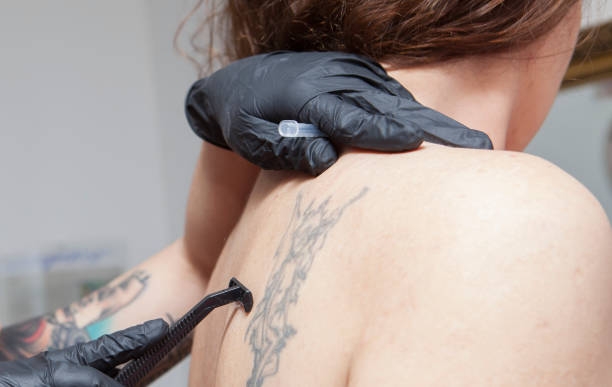
Many people invest significant time, money, and patience into laser tattoo removal sessions—then unintentionally undermine their results in the days and weeks that follow. Aftercare isn't a minor footnote to treatment; it's when healing happens and when fragmented ink is actually cleared from your skin. Laser tattoo removal in Riyadh Mistakes during this window can slow fading, cause scarring, increase infection risk, and even compromise the outcome you've paid for. This guide identifies the most common aftercare mistakes, explains why each one matters, and shows you what to do instead.
Mistake One: Picking or Scratching Scabs
This is the most common and most damaging mistake. Scabs form to protect new skin forming beneath—picking them disrupts healing, increases scarring risk, and can introduce infection. It may also interfere with the immune process clearing fragmented ink, potentially affecting fading. The fix: leave scabs alone entirely. If itching is intense, use approved moisturizer or gentle pressure—never scratch. Patience during this phase protects everything you've invested in treatment.
Mistake Two: Skipping Sun Protection
UV exposure is one of the biggest threats to laser tattoo removal results. Sunburn on healing skin can cause hyperpigmentation or hypopigmentation, complicate assessment of fading, and damage the skin's repair process. Even brief unprotected exposure can set healing back. The fix: protect treated areas rigorously—cover with clothing or bandages during initial healing, and apply broad-spectrum sunscreen diligently once healed, for weeks after each session. Sun protection isn't optional; it's part of the treatment.
Mistake Three: Applying the Wrong Products
Healing skin is more permeable and sensitive than intact skin, meaning whatever you apply is absorbed more readily—and can irritate more easily. Alcohol-based products, fragrances, exfoliating acids, hydrogen peroxide, and unapproved home remedies can all delay healing, cause pigmentation changes, or increase infection risk. The fix: use only provider-approved cleansers and moisturizers. When in doubt, leave it out and ask. Simplicity supports healing; complexity interferes with it.
Mistake Four: Returning to Exercise Too Soon
Strenuous exercise increases blood flow, swelling, and sweating—all of which can aggravate healing skin and increase infection risk, especially in the first few days. It can also cause friction and stretching that disrupt scabs. The fix: avoid intense exercise for the period your provider recommends—typically a few days to a week, depending on treatment intensity and location. Light walking is usually fine; heavy lifting and sweaty workouts can wait.
Mistake Five: Swimming and Hot Tubs
Pools, hot tubs, saunas, and natural bodies of water harbor bacteria and expose healing skin to heat and chemicals—a combination that increases infection risk and worsens swelling. The fix: stay out of water entirely during initial healing, typically until scabs have resolved and your provider clears you. Showering is fine—gentle, lukewarm, and pat dry afterward. This temporary restriction protects your skin from preventable complications.
Mistake Six: Missing or Delaying Follow-Up Sessions
Sessions spaced too far apart slow cumulative progress, while sessions rushed too close together don't allow adequate ink clearance. Both undermine results. The fix: follow your provider's recommended spacing—typically six to eight weeks—and attend sessions on schedule. If healing has been slower than expected, your provider may adjust the interval; communicate rather than decide on your own. Consistency between sessions is part of the treatment plan.
Mistake Seven: Ignoring Warning Signs
Redness and swelling are normal; increasing pain, spreading redness, pus, fever, or blisters that won't heal are not. Ignoring these signs allows minor issues to become serious complications. The fix: know the warning signs, monitor healing honestly, and contact your provider promptly when something exceeds expectations. Early contact is never an overreaction—delayed action is the actual risk. Providers would rather answer a question than manage a complication that was ignored.
Mistake Eight: Touching the Area Unnecessarily
Hands carry bacteria. Touching, rubbing, or repeatedly examining the treated area introduces infection risk and can irritate healing skin. The fix: wash your hands before any necessary contact—such as cleansing or applying approved products—and otherwise leave the area alone. Resist the urge to check progress constantly; healing happens best when undisturbed. Minimal interference is maximal care.
Mistake Nine: Expecting Immediate Results
Some people interpret normal post-treatment appearance—redness, scabbing, temporary darkening—as failure and lose patience, skipping aftercare or abandoning the plan. The fix: understand the healing timeline. Fading develops over weeks between sessions, and results accumulate gradually. Redness and scabbing are signs of healing, not problems. Tracking progress with photos over months provides perspective that daily mirror checks cannot.
Mistake Ten: Not Asking Questions
Aftercare guidance varies by treatment, skin type, and provider protocol. Assuming you know what to do—or relying on internet advice—can lead to mistakes. The fix: ask your provider specific questions before treatment and during healing. What products should I use? When can I exercise? When can I swim? What warning signs matter? Clear answers prevent guesswork and protect your results.
When to Seek Professional Guidance
If you're unsure about any aspect of aftercare, or if you've noticed concerning symptoms, professional guidance can help. A consultation can assess your healing and recommend appropriate care. For personalized guidance on laser tattoo removal aftercare, a consultation with qualified professionals offers clarity and safe direction.
Final Thoughts: Protect What You've Invested In
Laser tattoo removal aftercare mistakes are common—but entirely preventable. Don't pick scabs, protect from sun, use approved products only, wait before exercise and swimming, attend sessions on schedule, monitor warning signs, and ask questions freely. These habits don't just prevent problems; they optimize the fading you've invested in. The session starts the process; aftercare determines the result.
Book an Appointment Consultation Clinic
For those seeking expert guidance and customized aesthetic care, you can book an appointment consultation at the Enfield Royal Riyadh.
FAQs
What's the biggest aftercare mistake after laser tattoo removal?
Picking or scratching scabs—it disrupts healing, increases scarring risk, and can affect ink clearance.
How important is sun protection during healing?
Critical—UV exposure causes pigmentation changes and damages healing skin for weeks after each session.
When can I exercise after laser tattoo removal?
Avoid intense exercise for a few days to a week, depending on treatment intensity and location.
Can I swim after laser tattoo removal?
No—stay out of pools, hot tubs, and open water until scabs resolve and your provider clears you.
What should I do if I notice warning signs during healing?
Contact your provider promptly—increasing pain, spreading redness, pus, or fever warrant same-day attention.