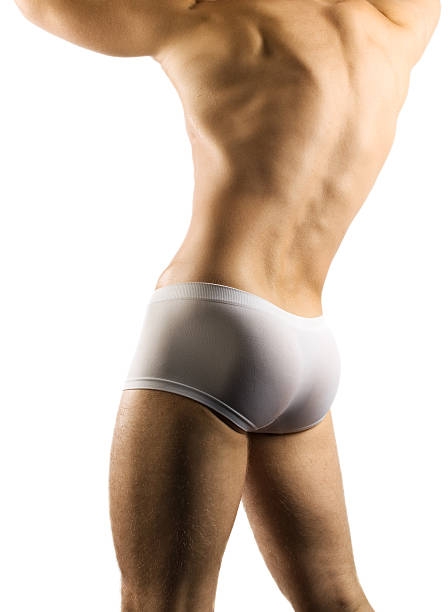
t's one of the most searched fitness questions—and one of the most persistently misunderstood. Can you spot-reduce butt fat by training the glutes harder? The answer, according to decades of research, is a clear no. Yet the myth survives because it feels intuitive: work the area, and the fat should follow. How can men lose butt fat? examines what the science actually says about spot reduction, why the glutes are a particularly common target for the myth, and what men should do instead to achieve the results they're actually after.
What Spot Reduction Means
Spot reduction is the belief that exercising a specific muscle burns the fat stored above it. By this logic, squats would reduce glute fat, crunches would reduce belly fat, and triceps extensions would reduce arm fat. It's an appealing idea because it promises control over where fat disappears. But the body doesn't mobilize fat locally based on muscle activity—it does so systemically, through hormonal signals that circulate throughout the body. Understanding this distinction is the foundation for any effective fat-loss strategy.
What the Research Shows
Studies dating back decades have tested spot reduction directly, and the results are consistent. One classic study had participants perform intense leg press training with one leg for weeks while measuring fat loss in both legs—and found fat reduction was similar in the trained and untrained limbs. Other studies comparing abdominal exercise against control groups found no preferential belly fat loss. The pattern holds across body regions: exercise strengthens and builds the trained muscle, but fat loss occurs systemically, driven by overall energy balance.
Why the Myth Persists
The myth survives for understandable reasons. First, training a muscle does create temporary changes—swelling, tightness, and increased tone—that can feel like improvement. Second, when people add glute exercises, they often also improve their diet or increase overall activity, producing real fat loss that gets attributed to the exercise. Third, the fitness industry profits from targeted programs that promise what genetics won't deliver. And fourth, the logic feels so intuitive that people rarely question it. Recognizing these influences helps you evaluate fitness claims more critically.
Why the Glutes Are a Common Target
The glutes are among the most common areas men want to change, which makes them a prime target for spot-reduction marketing. Glute-focused programs, "fat-burning" lower-body workouts, and targeted routines sell well because they address a widespread concern. But the biology is no different from any other area: glute exercises build and shape muscle; they don't preferentially burn the fat covering it. The area may change last due to genetic fat distribution patterns, which makes targeted training feel ineffective—reinforcing the need for the right strategy rather than more of the wrong one.
What Actually Reduces Butt Fat
Fat loss—including from the glutes—requires a calorie deficit. A moderate deficit of roughly 300–500 calories daily, combined with adequate protein (1.6–2.2 grams per kilogram), supports gradual fat loss while preserving muscle. Strength training builds and maintains the glute muscle that shapes the area, and daily movement increases overall energy expenditure. Sleep and stress management support the hormonal environment that governs fat storage. This combination works systemically—and that's precisely why it succeeds where spot reduction fails.
What Glute Exercises Still Do
This doesn't mean glute exercises are pointless—they're essential. Strength training preserves and builds the muscle that shapes your physique as fat decreases. Without it, fat loss produces a smaller but flatter result. Glute exercises also improve posture, support lower back health, and counteract the muscle deactivation caused by prolonged sitting. The key is understanding their role: they're the shaping tool, not the fat-burning tool. Use them for what they actually do, and rely on the deficit for what it actually does.
Why the Area Changes Last
For many men, glute fat is stored readily and released slowly due to genetic and hormonal receptor patterns. This means the area may change only after weeks or months of overall fat loss—which can be discouraging but is entirely normal. Men who understand that overall fat loss precedes local change stay consistent long enough to see results. Those who expect the glutes to change first—or who rely on targeted exercises to speed it up—often quit during the phase when the plan is actually working.
Practical Takeaways
Stop expecting spot reduction; it doesn't work. Train glutes to build and preserve muscle. Create a moderate deficit to reduce overall fat. Prioritize protein, sleep, and stress management. Track measurements, photos, and clothing fit rather than the scale alone. Extend your timeline for stubborn areas and stay consistent through plateaus. These principles aren't glamorous, but they're supported by evidence—and they produce results that targeted exercises alone never will.
When to Seek Professional Guidance
If you've applied these principles consistently without progress, professional evaluation can identify what's limiting you—hormonal factors, dietary patterns, recovery gaps, or training quality. For men who want expert guidance grounded in evidence rather than fitness folklore, a consultation with qualified professionals offers personalized direction and accountability.
Final Thoughts: Science Over Intuition
Spot reduction is one of fitness's most enduring myths, but the science is unambiguous: you can't burn fat from a specific area by training that area. Fat loss is systemic, driven by energy balance and hormonal signals. Build glute muscle to shape the area; create a deficit to reveal it. Accept the science, adjust your strategy, and you'll stop wasting effort on what doesn't work—and start seeing results from what does.
Book an Appointment Consultation Clinic
For those seeking expert guidance and customized aesthetic care, you can book an appointment consultation at the Enfield Royal Riyadh.
FAQs
Does spot reduction work for butt fat?
No—research consistently shows exercise doesn't preferentially burn fat from the trained area.
Why do glute exercises seem to help some men?
They build muscle and often coincide with improved diet or activity, which drives systemic fat loss.
What actually reduces butt fat?
A moderate calorie deficit, high protein, strength training, daily movement, sleep, and stress management.
Are glute exercises still worth doing?
Yes—they build the muscle that shapes the area as overall fat decreases, and support posture and back health.
How long before butt fat reduces without spot reduction?
Initial changes appear in 8–12 weeks; stubborn glutes may take several months of consistent overall fat loss.