

Does Liposuction Tighten Loose Skin or Only Remove Fat?

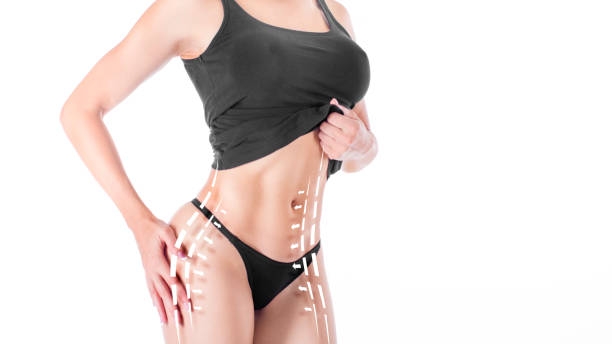
Many people consider body contouring to improve areas affected by stubborn fat deposits, but excess skin can make the decision more complicated. Someone may want a flatter abdomen, slimmer thighs, or more defined arms while also noticing sagging or reduced skin firmness. This raises an important question: does liposuction tighten loose skin, or does it simply remove fat? Understanding the procedure is essential when exploring Best Liposuction in Riyadh and deciding whether fat removal alone can achieve the desired body shape.
Liposuction is primarily designed to remove localized fat beneath the skin and improve body contours. It is not a dedicated skin-tightening procedure. Although some individuals may experience a degree of natural skin retraction after treatment, the outcome depends on skin elasticity, age, treatment area, and the amount of fat removed. People with significant loose skin may require a different or additional procedure to achieve a smoother appearance.
What Does Liposuction Actually Do?
Liposuction is a cosmetic surgical procedure that removes unwanted fat deposits from selected areas of the body. A surgeon uses a thin tube called a cannula to loosen and extract fat through small incisions.
The main purpose is to reshape specific body areas rather than produce major weight loss.
Common treatment areas include:
-
Abdomen: Reducing localized fat around the upper and lower belly.
-
Thighs: Addressing unwanted fat around the inner or outer thighs.
-
Arms: Improving the appearance of selected upper-arm fat deposits.
-
Waist and flanks: Creating more defined body proportions.
-
Back: Reducing localized fat that affects the body's outline.
-
Chin and neck: Addressing excess fat beneath the chin in suitable candidates.
When researching Best Liposuction in Riyadh, it is important to understand that the procedure targets fat beneath the skin, not the loose skin itself.
Does Liposuction Tighten Loose Skin?
Liposuction does not directly tighten loose skin. However, the skin may naturally contract to some extent after fat removal, particularly when it has good elasticity.
Skin contains collagen and elastin, which help it maintain firmness and flexibility. When localized fat is removed, the surrounding skin may gradually adjust to the new body contour.
The amount of tightening varies from person to person. Younger individuals or people with healthier skin elasticity may experience better natural retraction than those with substantial skin laxity.
Factors that influence skin response include:
-
Age: Skin elasticity often decreases with age.
-
Collagen levels: Collagen supports skin structure and firmness.
-
Amount of excess skin: Significant laxity may not improve through fat removal.
-
Weight fluctuations: Repeated weight changes can affect skin appearance.
-
Treatment area: Different body regions respond differently after liposuction.
Why Does Skin Become Loose After Fat Removal?
Loose skin can develop when the skin has been stretched over time and cannot fully return to its previous shape.
Several factors may contribute to this concern.
Pregnancy
Pregnancy stretches abdominal skin and underlying tissues. After childbirth, some women experience persistent loose skin that may not improve significantly through exercise or fat reduction alone.
Significant Weight Loss
Losing a considerable amount of weight can leave excess skin around the abdomen, arms, thighs, and other areas.
Aging
As people age, collagen and elastin production changes. This can reduce skin firmness and make it harder for the skin to retract after fat removal.
Genetics
Genetic factors influence skin thickness, elasticity, and how the body responds to changes in weight and body composition.
What Happens If Liposuction Is Performed on Loose Skin?
If someone has poor skin elasticity, removing fat without addressing excess skin may result in a less firm appearance. In some cases, sagging or uneven contours may become more noticeable after the underlying fat is removed.
This does not mean that everyone with mild skin laxity is unsuitable for liposuction. The decision depends on the severity of loose skin, the treatment area, and the individual's goals.
A qualified plastic surgeon can assess skin quality and explain whether fat removal alone is likely to provide a satisfactory outcome.
Liposuction vs Skin Tightening Treatments
Liposuction and skin-tightening treatments have different purposes. Understanding their differences can help individuals explore suitable options.
Liposuction
Liposuction removes localized fat deposits. It is generally considered when unwanted fullness is mainly caused by excess fat rather than loose skin.
Non-Surgical Skin Tightening
Certain energy-based treatments use technologies such as radiofrequency or ultrasound to deliver controlled energy into targeted tissues. Depending on the device and individual suitability, these treatments may support modest improvements in skin firmness.
Surgical Skin Removal
Procedures such as tummy tuck surgery or arm lift surgery remove excess skin. A tummy tuck may also involve tightening separated abdominal muscles when appropriate.
For some individuals, a combination of treatments may be considered after professional evaluation.
Who Is a Suitable Candidate for Liposuction?
People with localized fat deposits and good skin elasticity are often more suitable candidates for liposuction. The procedure may be considered by individuals who:
-
Maintain a relatively stable body weight.
-
Have stubborn fat deposits in specific areas.
-
Have good or reasonable skin elasticity.
-
Are in suitable general health for surgery.
-
Understand that liposuction is not a treatment for significant loose skin.
-
Have realistic expectations about body-contouring results.
People with substantial skin laxity may need an alternative procedure or a combined approach.
How Can You Maintain Results After Liposuction?
Healthy habits can help maintain body contours after treatment. Although removed fat cells do not return, remaining fat cells can enlarge if significant weight gain occurs.
Helpful habits include:
-
Maintaining a balanced diet.
-
Staying physically active.
-
Following the surgeon's recovery instructions.
-
Keeping body weight relatively stable.
-
Attending recommended follow-up appointments.
These measures support long-term results but cannot guarantee that skin will remain firm as the body ages.
Book Your Consultation at Royal Clinic Saudia
Choosing between liposuction and a skin-tightening procedure requires an understanding of the underlying concern. At Royal Clinic Saudia, you can discuss unwanted fat, loose skin, and your desired body contours with a qualified specialist. Schedule a consultation to explore appropriate treatment options and receive guidance based on your individual needs.
FAQs:
Does liposuction remove loose skin?
No. Liposuction removes fat beneath the skin rather than removing excess skin. Significant skin laxity may require a procedure such as a tummy tuck or arm lift.
Can skin become tighter after liposuction?
Some natural skin retraction may occur after fat removal, especially in people with good skin elasticity. However, the degree of tightening varies and cannot be guaranteed.
Is liposuction suitable for someone with sagging skin?
It depends on the severity of the sagging. People with mild skin laxity may still be candidates, while those with significant excess skin may need a different or combined procedure.
Which is better for loose skin: liposuction or tummy tuck?
A tummy tuck is generally more appropriate when the main concern is excess abdominal skin or separated abdominal muscles. Liposuction is intended for localized fat removal. A surgeon can recommend the suitable approach after an examination.


