

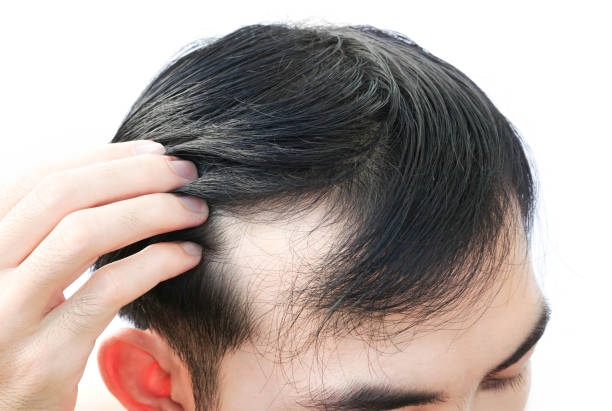
Can PRP Hair Treatment Help With Seasonal Hair Shedding?

Seasonal hair shedding is a concern for people who notice more hair falling out during particular times of the year. Although some changes in daily hair shedding can be part of the natural hair cycle, increased hair fall may cause concern when it becomes more noticeable during brushing, washing, or styling. Platelet-rich plasma (PRP) therapy is one option people explore when looking for ways to support hair growth. Understanding PRP Hair Treatment in Riyadh can help explain whether this treatment may be useful for seasonal shedding and when professional advice is important.
Seasonal shedding may be influenced by changes in the hair growth cycle, environmental conditions, and individual health factors. PRP therapy uses concentrated platelets from the patient's own blood, which contain growth factors involved in natural tissue repair and cellular communication. These growth factors may support the environment around existing hair follicles. However, PRP Hair Treatment in Riyadh is not a standard treatment for every case of seasonal shedding, and its suitability depends on the underlying cause of hair loss.
What Is Seasonal Hair Shedding?
Seasonal hair shedding refers to a noticeable increase in hair fall during certain periods of the year. Some people report changes in shedding during warmer or cooler months, although the pattern is not the same for everyone. Hair naturally moves through growth, transition, and resting phases, and a greater number of follicles entering the resting phase can lead to increased shedding.
Temporary shedding may settle without specific treatment. However, persistent or excessive hair loss should not automatically be attributed to seasonal changes. Nutritional deficiencies, hormonal changes, stress, illness, medications, and scalp conditions can also contribute to increased hair fall.
Why Does Hair Shedding Increase During Certain Seasons?
Changes in the Natural Hair Growth Cycle
Hair follicles follow a repeating cycle that includes the anagen (growth), catagen (transition), and telogen (resting) phases. At the end of the resting phase, the existing hair strand sheds and a new growth cycle begins. If more follicles enter the resting stage around the same time, shedding may become more noticeable.
Environmental and Lifestyle Factors
Changes in temperature, humidity, sunlight exposure, and daily routines may affect scalp comfort and hair-care habits. Seasonal changes can also influence diet, sleep, and stress levels. These factors may contribute to hair concerns, although they do not necessarily cause seasonal shedding in every individual.
Underlying Health Conditions
Sometimes, increased shedding occurs after illness, significant stress, rapid weight changes, or nutritional deficiencies. This type of hair loss may be temporary, but identifying the trigger is important. A professional assessment can help distinguish ordinary seasonal changes from conditions that need specific treatment.
How Does PRP Hair Treatment Work?
PRP therapy begins with collecting a small amount of the patient's blood. The sample is processed in a centrifuge to separate its components and concentrate the platelets in a portion of plasma. This prepared solution is then injected into selected areas of the scalp using fine needles.
Platelets release growth factors and signaling proteins involved in tissue repair and cellular activity. Researchers are studying how these substances may influence cells around hair follicles and support a favourable environment for hair growth. The treatment is generally considered for selected types of hair thinning rather than every cause of temporary shedding.
Can PRP Help With Seasonal Hair Shedding?
PRP may be considered when seasonal shedding occurs alongside another form of hair thinning, such as hereditary hair loss. It may support existing follicles and potentially improve hair thickness in some suitable patients. However, there is limited evidence that PRP specifically prevents or treats ordinary seasonal shedding.
If shedding is temporary and related to the natural hair cycle, it may improve on its own. In such cases, PRP may not be necessary. PRP Hair Treatment in Riyadh should be considered only after a qualified professional evaluates the scalp and identifies whether there is an underlying condition that could benefit from treatment.
Signs That Your Hair Shedding Needs Professional Attention
Occasional increased shedding may not indicate a serious problem, but certain changes deserve closer attention. These include:
-
Hair fall that continues for several months without improvement.
-
Noticeable thinning around the hairline, crown, or temples.
-
Sudden shedding in large amounts.
-
Patchy areas of hair loss.
-
Scalp itching, redness, scaling, or discomfort.
A dermatologist can examine the scalp, review medical history, and recommend tests when necessary. This helps identify possible causes such as nutritional deficiencies, hormonal changes, or scalp disorders.
How to Support Healthy Hair During Seasonal Changes
Maintaining healthy hair habits may help reduce avoidable damage and support normal hair growth. Eating a balanced diet with adequate protein and essential nutrients is important for hair health. Gentle washing, avoiding excessive heat styling, and limiting tight hairstyles can also help protect fragile strands.
Managing stress and maintaining consistent sleep habits may support overall well-being. If a deficiency or medical condition is identified, treating that underlying issue is more appropriate than relying on a cosmetic procedure alone. PRP Hair Treatment in Riyadh may be discussed when a professional determines that it is suitable for the individual's specific hair concerns.
What Results Can Patients Expect From PRP?
PRP does not produce immediate changes because hair follicles need time to respond and generate new strands. Some suitable patients may notice reduced shedding or improvements in hair thickness over several months, while others may experience limited results. The response depends on the cause and stage of hair loss, individual factors, and the treatment protocol.
The number of sessions and the need for maintenance vary. Temporary tenderness, redness, swelling, or bruising may occur after injections. A qualified practitioner should explain the potential benefits, limitations, and possible side effects before treatment.
Book a Hair Consultation at Royal Clinic Saudia
Seasonal shedding can have several causes, and understanding the reason behind increased hair fall is the first step toward choosing an appropriate approach. Royal Clinic Saudia offers consultations to assess hair concerns, discuss suitable treatment options, and provide professional guidance. Book an appointment to explore a hair-care plan based on your scalp condition and individual needs.
FAQs:
Is seasonal hair shedding normal?
Some people experience temporary changes in hair shedding during particular seasons. However, persistent, excessive, or patchy hair loss should be evaluated by a qualified professional.
Can PRP stop seasonal hair fall completely?
PRP cannot guarantee that seasonal shedding will stop. It may support existing follicles in selected cases, but ordinary temporary shedding may resolve naturally without PRP.
How long does seasonal hair shedding usually last?
The duration varies depending on the individual and the underlying cause. If shedding continues for several months or becomes severe, a dermatologist should assess it.
Should I get PRP treatment for temporary hair shedding?
Not necessarily. A professional should first determine whether the shedding is seasonal or related to another condition. PRP may be considered when the diagnosis and follicle condition make it an appropriate option.


