

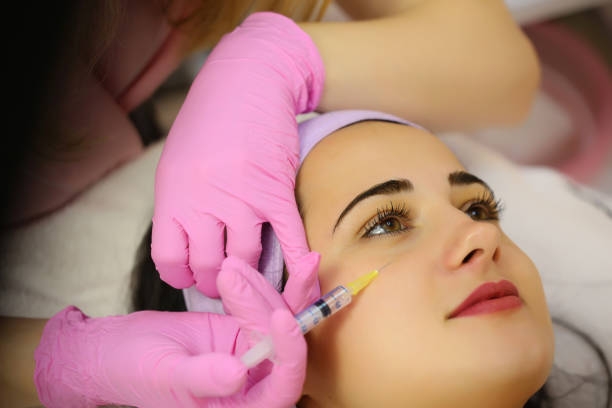
Salmon DNA Therapy for Supporting a More Hydrated Facial Appearance

Healthy-looking skin depends on more than its surface appearance. Adequate hydration, elasticity, and a balanced skin barrier all contribute to a naturally refreshed complexion. However, ageing, environmental exposure, sun damage, and everyday lifestyle habits can leave the face looking dry, dull, and tired. Modern aesthetic treatments increasingly focus on improving skin quality from within, rather than simply adding volume or concealing imperfections. Salmon DNA Injections in Riyadh are attracting attention as a skin-rejuvenation option because they contain purified DNA-derived compounds known as polynucleotides, which are being studied for their potential role in supporting tissue repair and skin health.
Facial dehydration can make fine lines appear more noticeable and cause the skin to feel tight or look less supple. While moisturisers and hydrating skincare products help maintain surface moisture, some people explore professional treatments to address broader skin-quality concerns. Salmon DNA Injections in Riyadh may be considered as part of an aesthetic plan focused on improving the appearance of dehydrated or tired-looking skin. Their purpose differs from traditional fillers because they are intended to support skin quality rather than create significant facial volume. Results vary, and treatment suitability should always be assessed by a qualified practitioner.
Understanding Salmon DNA Therapy
Salmon DNA therapy is an aesthetic treatment that uses purified DNA-derived ingredients, commonly polynucleotides or related PDRN compounds. These ingredients are processed for use in medical or cosmetic formulations and administered through small injections into selected areas of the skin. They are being investigated for their potential influence on tissue repair and cellular processes.
In aesthetic settings, polynucleotide-based products may be used to address concerns such as dryness, fine lines, uneven texture, and reduced skin elasticity. The exact formulation and intended use depend on the product. Patients should therefore ask their practitioner which ingredients are being used and whether the product is appropriate for their individual concerns.
How Salmon DNA Therapy May Support Skin Hydration
Hydrated skin generally appears smoother, softer, and more flexible. When moisture levels are low, the surface may look rough, and fine lines can become more visible. Salmon DNA formulations are intended to support skin quality through biological processes associated with tissue repair. Some products are used in treatment plans aimed at improving the overall appearance and condition of the skin.
It is important to distinguish this approach from a conventional hyaluronic acid skin booster. Hyaluronic acid attracts and retains water, making it particularly useful for hydration. Polynucleotides are studied for different potential biological effects, including supporting tissue recovery. Neither approach guarantees a particular result, and the best option depends on the patient's skin condition and treatment goals.
Common Signs of Facial Dehydration
Facial dehydration can affect people of different ages and skin types. It may become more noticeable during seasonal changes, prolonged air-conditioning exposure, frequent cleansing, or the use of unsuitable skincare products. Recognising these signs can help people make better decisions about their skincare routine.
Common signs include tightness after washing, rough patches, a dull complexion, and fine lines that appear more prominent. Makeup may also settle unevenly on dry areas. These symptoms do not automatically indicate that an injectable treatment is needed. Gentle skincare, moisturising products, and adequate sun protection may help, while persistent irritation or dryness should be assessed by a healthcare professional.
Areas That May Be Considered for Treatment
Depending on the product and practitioner assessment, salmon DNA therapy may be considered for selected facial areas where skin quality is a concern. These can include the cheeks, forehead, and delicate areas around the eyes when treatment is clinically appropriate. The objective is generally to support a refreshed appearance rather than alter facial structure.
A practitioner should assess skin thickness, sensitivity, existing conditions, and the patient's expectations before selecting treatment areas. Not every region of the face is suitable for every formulation or injection technique. Careful planning helps reduce avoidable risks and ensures that the treatment approach is appropriate.
What Happens During a Salmon DNA Session?
A treatment session usually begins with a consultation. The practitioner discusses the patient's concerns, reviews medical history, checks for relevant allergies, and explains the expected benefits and limitations. The skin is then cleansed, and a topical numbing product may be applied to improve comfort.
Small amounts of the selected formulation are injected into planned areas using an appropriate technique. Temporary redness, swelling, tenderness, small bumps, injection marks, or bruising may occur. These effects often settle over time, although recovery differs between individuals. Patients should follow the aftercare instructions provided by their practitioner.
Who May Be Suitable for Salmon DNA Therapy?
Adults concerned about dullness, dryness, early fine lines, or changes in skin texture may wish to discuss this treatment with an experienced aesthetic professional. However, suitability depends on individual circumstances, including medical history, current skin condition, medications, and previous procedures.
Because some formulations are derived from salmon, people with fish allergies should discuss this carefully before treatment. Anyone who is pregnant or breastfeeding, has an active infection in the treatment area, or has a relevant medical concern should seek appropriate medical advice. A consultation is essential before proceeding.
Supporting Facial Hydration After Treatment
Maintaining a healthy skincare routine can help support the skin's appearance after an aesthetic procedure. Gentle cleansing, regular moisturising, and daily broad-spectrum sunscreen are useful foundations. Patients should avoid irritating products or excessive rubbing until their practitioner confirms that normal skincare can be resumed.
Lifestyle habits also matter. Adequate sleep, balanced nutrition, and sufficient fluid intake contribute to general wellbeing and skin health. Professional treatment should complement these habits rather than replace everyday skincare. A practitioner can recommend a suitable maintenance routine based on the individual's skin response.
Book a Skin Consultation at Royal Clinic Saudi
If you are considering a treatment to improve facial hydration and overall skin quality, a professional assessment can help you understand the available options. Royal Clinic Saudi provides aesthetic consultations to discuss individual concerns, review treatment suitability, and develop a personalised approach to skin care.
Frequently Asked Questions
1. Can salmon DNA therapy hydrate the face?
It may support overall skin quality and a more refreshed appearance, but it is not a direct replacement for moisturisers or hyaluronic acid treatments.
2. Is salmon DNA therapy the same as dermal fillers?
No. It is generally intended to support skin quality rather than add significant facial volume or reshape features.
3. Can the treatment help with dull-looking skin?
It may be considered for improving the appearance of skin quality and texture, although individual results vary.
4. Is salmon DNA therapy suitable for sensitive skin?
Suitability depends on the individual's skin condition, allergies, and medical history. A qualified practitioner should assess the skin before treatment.


