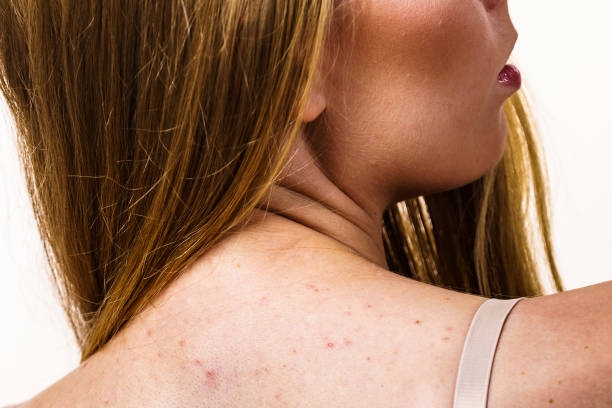
Back acne is common, and many people manage it with over-the-counter body washes and lifestyle adjustments. But there comes a point when self-treatment stops working, and continuing to experiment on your own delays progress and increases the risk of scarring. How to Treat Back Acne and Its Effects? Knowing when to see a dermatologist saves time, money, and your skin. If you're figuring out How to Treat Back Acne and Its Effects?, here's how to recognise when professional help is the right next step.
Why Professional Help Matters
Back Acne Is Often More Severe
Back acne tends to involve deeper lesions and a higher risk of scarring than facial acne. Professional assessment ensures appropriate treatment.
Scarring Is Preventable
Early treatment reduces the risk of permanent scarring and pigmentation.
Prescription Options Exist
Prescription retinoids, oral antibiotics, and hormonal treatments are far more effective for moderate to severe acne than over-the-counter products.
Mental Health Matters
Back acne affects confidence and emotional wellbeing. That's a valid reason to seek help, not a sign of vanity.
Signs It's Time to See a Dermatologist
Persistent Acne Despite Treatment
If you've used over-the-counter products consistently for eight to twelve weeks without improvement, it's time for professional assessment.
Moderate to Severe Acne
Numerous inflamed papules, pustules, or cysts warrant prescription treatment.
Nodulocystic Acne
Deep, painful nodules and cysts carry a high risk of scarring. Prompt treatment is essential.
Scarring Is Developing
Any sign of pitting, indentations, or thickened scars means acne is causing lasting damage.
Pigmentation Is Persisting
Dark marks that linger long after breakouts heal may need targeted treatment.
Acne Affecting Mental Health
If acne is causing significant distress, anxiety, or avoidance of social situations, professional support is appropriate.
Acne on the Body Beyond the Back
Chest and shoulder acne often requires prescription treatment.
Hormonal Signs
Irregular cycles, excess hair, or sudden changes in acne pattern may indicate hormonal conditions.
What a Professional Assessment Involves
Medical History
Your dermatologist reviews your acne history, previous treatments, medications, and general health.
Skin Examination
The type, severity, and distribution of acne are assessed.
Hormonal Evaluation
Blood tests may be requested if hormonal causes are suspected.
Scarring Assessment
Existing scarring is evaluated to determine whether additional treatments are needed.
Treatment Planning
A personalised plan is developed, combining topical and oral treatments as appropriate.
Treatment Options Professionals May Recommend
Topical Retinoids
Prescription retinoids are among the most effective treatments for acne.
Benzoyl Peroxide
Available over the counter but often prescribed at higher concentrations.
Oral Antibiotics
Used short-term for moderate to severe inflammatory acne.
Hormonal Treatments
Oral contraceptives or anti-androgens may help hormonally driven acne in women.
Isotretinoin
Reserved for severe or treatment-resistant acne. Requires careful monitoring.
Chemical Peels
Salicylic acid peels can help unclog pores and reduce inflammation.
Laser and Light Therapy
Some treatments target acne bacteria and inflammation.
What to Avoid
Waiting Too Long
Delaying treatment allows scarring to develop.
DIY Extractions
Picking and popping increase inflammation and scarring risk.
Harsh Scrubs
Physical exfoliants irritate the skin and worsen acne.
Ignoring Underlying Causes
Hormonal and medical conditions require proper assessment.
How to Prepare for Your Appointment
Document Your History
Note when acne started, what treatments you've tried, and what seems to trigger breakouts.
Bring Your Products
Show your dermatologist what you're currently using.
List Medications and Supplements
Include everything, even if it seems unrelated.
Prepare Questions
Ask about treatment options, timelines, and side effects.
Be Honest About Lifestyle
Diet, stress, sleep, and skincare habits all affect acne.
Questions to Ask During Consultation
About Diagnosis
"What's causing my back acne?"
About Treatment
"What options are available, and which suits my skin?"
About Timeline
"How long until I see improvement?"
About Side Effects
"What side effects should I expect, and how are they managed?"
About Scarring
"How can I reduce my risk of scarring?"
Book an Appointment Consultation Clinic
For those seeking expert guidance and customized aesthetic care, you can book an appointment consultation at the Enfield Royal Riyadh. A personalised consultation determines what's driving your back acne and builds a treatment plan suited to your skin.
FAQs
When should I see a dermatologist for back acne?
If over-the-counter treatments haven't worked after eight to twelve weeks, or if scarring is developing.
Can a dermatologist cure back acne?
Acne can be effectively managed, though some people experience recurrences that require ongoing care.
How long does professional back acne treatment take?
Most treatments need six to twelve weeks to show meaningful improvement.
Do I need blood tests for back acne?
Sometimes. Hormonal evaluation may be recommended if hormonal causes are suspected.
What if back acne is affecting my mental health?
That's a valid reason to seek help. Understanding How to Treat Back Acne and Its Effects? includes addressing emotional wellbeing. People researching how to get rid of back acne and dark spots should prioritise professional assessment.