

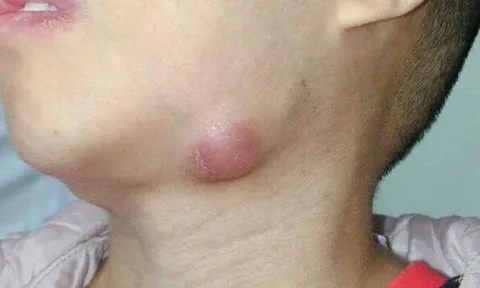
Can a Large Sebaceous Cyst Be Removed in One Procedure?

A large lump beneath the skin can cause discomfort, affect appearance, or make everyday activities less convenient. When a cyst continues to grow, many people wonder whether it can be removed completely in a single appointment or if multiple procedures will be necessary. In many cases, Sebaceous cyst removal in Riyadh (إزالة الكيس الدهني في الرياض) can be completed in one procedure, depending on the cyst's size, depth, location, and condition. A professional examination helps determine whether complete removal is practical and which approach is most suitable.
Large cysts can sometimes be removed in one surgical session, but the process may be more complex than removing a small lump. Although the term sebaceous cyst is commonly used, many of these growths are epidermoid cysts that contain keratin. The clinician must assess the cyst and surrounding tissue to plan safe removal. For patients considering Sebaceous cyst removal in Riyadh, understanding the factors that influence treatment can help set realistic expectations about the procedure and recovery.
Can a Large Sebaceous Cyst Be Removed in One Session?
Yes, many large cysts can be removed during a single surgical procedure. The clinician makes an incision that provides sufficient access to separate the cyst from surrounding tissue and remove its capsule as completely as possible. The wound is then managed according to its size and location.
However, one-session removal is not guaranteed for every cyst. A cyst that is deeply attached, repeatedly inflamed, ruptured, or surrounded by scar tissue may be more difficult to remove. The clinician may need to modify the technique or recommend a staged treatment plan when immediate complete removal would not be appropriate.
What Factors Determine Whether One Procedure Is Enough?
Several factors influence whether a large cyst can be removed safely in one session.
Size and Depth of the Cyst
A cyst's diameter is only one consideration. A relatively wide cyst close to the skin's surface may be easier to remove than a smaller cyst positioned deep within the tissue. The clinician examines its boundaries and attachment before selecting an appropriate incision and removal technique.
Location on the Body
Cysts on the scalp, face, neck, back, or other areas may require different surgical approaches. Areas with delicate skin, important underlying structures, or limited room for wound closure can make removal more challenging. The treatment plan should account for both complete removal and the appearance of the healed area.
Inflammation or Infection
An inflamed cyst can become swollen, tender, and difficult to separate from surrounding tissue. If infection or an abscess is present, treatment may focus on controlling the acute problem first. Definitive removal is often delayed until the inflammation settles, allowing the clinician to reassess the cyst.
Previous Drainage or Recurrence
A cyst that has previously been drained or has returned may have scar tissue around it. This can make the capsule harder to identify and remove. In such cases, the clinician may need a more extensive incision or a different surgical approach.
How Is a Large Sebaceous Cyst Removed?
Surgical excision is a common approach for removing larger cysts when treatment is appropriate. The procedure generally follows several steps.
Clinical Assessment
The clinician examines the lump, reviews its history, and checks for signs of inflammation or infection. If the diagnosis is uncertain, further investigation may be recommended before removal.
Local Anaesthesia
Many uncomplicated cysts can be removed using local anaesthesia, which numbs the treatment area. The choice of anaesthesia depends on the cyst's size, location, and complexity.
Surgical Removal
The clinician creates an incision large enough to access the cyst safely. The cyst is carefully separated from surrounding tissue, with the aim of removing the capsule completely. If the capsule cannot be removed through the planned opening, the incision may need to be extended.
Wound Closure and Aftercare
The wound may be closed with stitches or managed according to the clinician's assessment. Aftercare instructions explain how to keep the area clean, protect the incision, and recognize signs of complications.
Why Is Complete Capsule Removal Important?
A cyst's capsule forms the wall that surrounds its contents. If part of this wall remains, the cyst may gradually develop again. This is why the goal of surgical excision is generally to remove the capsule as completely as possible, rather than simply emptying the lump.
Inflammation and rupture can make complete removal more difficult. A clinician may therefore recommend waiting until an inflamed cyst has settled before performing definitive excision. Even with careful treatment, recurrence is possible.
What Is Recovery Like After Removing a Large Cyst?
Recovery depends on the incision, the cyst's location, and the amount of tissue involved. Larger wounds may require stitches and more careful monitoring than those created during removal of smaller cysts. Some tenderness, swelling, or bruising can occur during early healing.
Patients should follow wound-care instructions, avoid unnecessary pressure on the area, and attend follow-up appointments when advised. Seek medical attention if pain worsens, redness spreads, pus develops, fever occurs, or the wound opens.
Scarring is possible after removal, particularly when a larger incision is necessary. The final appearance varies according to the wound's location, individual healing, and any complications.
When Should You Seek Professional Assessment?
A large or growing lump should be examined rather than diagnosed by appearance alone. Other skin conditions can resemble cysts, and a clinician may recommend additional evaluation if the lump is unusually firm, fixed, rapidly changing, or otherwise atypical.
If a lump becomes increasingly painful, hot, red, or swollen, arrange prompt medical assessment. Fever or spreading redness may indicate a more serious infection and requires urgent attention.
For those considering Sebaceous cyst removal in Riyadh, a consultation can help establish the diagnosis and determine whether one-session removal is appropriate or whether treatment should be planned in stages.
Book an Appointment at Royal Clinic Saudia
If you have a large cyst that is growing, recurring, or causing discomfort, a professional evaluation can help you understand your treatment options. Royal Clinic Saudia (عيادات رويال كلينك) provides an opportunity to discuss whether surgical excision is suitable, what the procedure may involve, and how recovery will be managed. Contact the clinic to arrange an appointment and receive guidance tailored to your skin concern.
FAQs:
Can a very large sebaceous cyst be removed in one procedure?
Yes, many large cysts can be removed in one session. However, size, depth, location, inflammation, and scar tissue may affect the approach and whether treatment needs to be staged.
Does a large cyst require stitches after removal?
Stitches are often used when the incision is large enough to require closure. The clinician decides how to manage the wound based on its size, location, and condition.
Can a large sebaceous cyst return after surgical removal?
Yes, recurrence is possible if some of the cyst capsule remains. Complete capsule removal helps reduce this risk but cannot guarantee that the cyst will never return.
Is it safe to remove a large sebaceous cyst at home?
No. Attempting to cut, squeeze, or drain a large cyst at home can cause infection, bleeding, tissue damage, and incomplete removal. A qualified healthcare professional should assess and treat it.


