


Post-Surgery Transportation King County: How Can Patients Get Home Safely After Surgery?
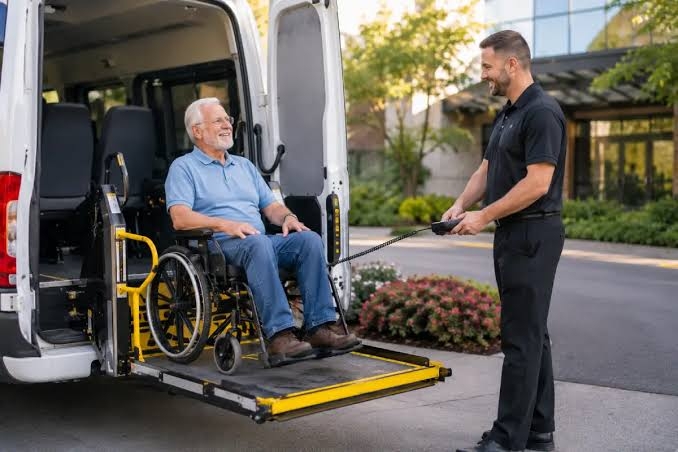
Post-surgery transportation King County is an important part of recovery because patients often need extra support when traveling home after a surgical procedure. Surgery can leave a person feeling tired, weak, uncomfortable, or unable to move as easily as usual, even when the medical team has approved discharge. Some patients may experience difficulty walking, bending, sitting for long periods, or getting into a vehicle without assistance. Others may need a wheelchair-accessible vehicle because they cannot safely use ordinary transportation during the early stages of recovery. Planning transportation before surgery gives patients and their families enough time to understand their options, discuss their needs with the healthcare team, and arrange a ride that supports a comfortable journey home. A well-organized transportation plan can reduce unnecessary stress and help patients concentrate on rest, recovery instructions, and follow-up care instead of worrying about how they will leave the medical facility.
Why Is Post-Surgery Transportation Important for Patients?
Post-surgery transportation King County helps patients plan for the physical challenges that can occur immediately after a procedure. Depending on the type of surgery, a patient may have limited mobility, temporary balance problems, discomfort around an incision, or restrictions on bending and lifting. Medication and anesthesia may also affect alertness and coordination, which is why healthcare facilities often have specific discharge requirements. Patients should never assume that they can drive themselves or travel without assistance simply because the procedure was completed successfully. Instead, they should follow the instructions provided by their surgeon and discharge team. Arranging suitable transportation in advance can make it easier to coordinate pickup times, prepare the correct vehicle, and ensure that the patient has the assistance they need when leaving the facility. Careful planning also allows family members to organize the home environment before the patient arrives.
Who Needs Post-Surgery Transportation in King County?
Post-surgery transportation King County may be helpful for people recovering from outpatient procedures, orthopedic surgery, abdominal surgery, joint replacement, and other medical treatments that temporarily affect movement or independence. Older adults may need additional assistance because they have difficulty maintaining balance, walking long distances, or getting into a vehicle. Patients who use wheelchairs, walkers, canes, or other mobility aids may also require transportation that accommodates their equipment. Even people who were independent before surgery can experience temporary limitations that make traveling alone difficult. The most appropriate option depends on the patient's condition, discharge instructions, mobility level, and whether medical monitoring is required during travel. Before making a reservation, patients should explain their needs clearly so the transportation provider can determine whether its vehicle and available assistance are suitable for the planned trip.
How Can Patients Arrange Transportation Before Surgery?
Post-surgery transportation King County should be planned as early as possible so patients are not left searching for a ride when they are ready to leave the hospital or surgical center. Before the procedure, patients can ask their healthcare team what type of transportation will be appropriate and whether a responsible adult must accompany them. They should confirm the expected discharge location, provide the destination address, and explain whether they will need help getting into or out of the vehicle. If a wheelchair-accessible vehicle is required, that request should be discussed during booking rather than at the last minute. It is also useful to ask the transportation provider about scheduling changes, waiting times, cancellation policies, and any additional costs. Preparing these details in advance can reduce confusion on discharge day and give the patient and family more confidence in the transportation arrangement.
What Should Patients Discuss With Their Doctors?
Post-surgery transportation King County planning begins with understanding the instructions provided by the surgeon, nurse, or discharge coordinator. Patients should ask whether they can safely travel in a regular passenger vehicle or whether their condition requires a different transportation arrangement. They should also discuss movement restrictions, comfortable seating positions, mobility assistance, and any requirements related to anesthesia or sedation. Some procedures require a responsible adult to accompany the patient after discharge, while other situations may involve different arrangements according to the medical facility's policies. Patients should clarify these requirements before surgery so they can make suitable plans. Transportation providers can assist with the ride according to their service limits, but they cannot replace medical professionals or decide whether a patient is medically ready to travel. Following the healthcare team's guidance helps ensure that the transportation plan reflects the patient's actual needs.
What Is Non-Emergency Medical Transportation After Surgery?
Post-surgery transportation King County may involve non-emergency medical transportation, commonly known as NEMT, for patients who need assistance reaching home or another healthcare-related destination but do not require emergency ambulance care. Depending on the provider, available services may include wheelchair-accessible transportation and assistance with ordinary boarding or exiting procedures. The exact level of support differs between providers, so patients should confirm what is included before scheduling a ride. Non-emergency medical transportation is not the same as ambulance transportation, nursing care, or continuous medical supervision. A patient who needs monitoring or medical assistance during the journey may require a different level of transportation recommended by the healthcare team. Understanding these differences allows patients and families to select an appropriate option rather than assuming that every medical transportation vehicle provides the same equipment, staff, or care.
How Does Wheelchair-Accessible Transportation Help After Surgery?
Post-surgery transportation King County can be especially important for patients who use a wheelchair or cannot comfortably enter a standard vehicle. A wheelchair-accessible vehicle may have a ramp or lift, additional interior space, and equipment designed to secure a wheelchair during travel. These features can make transportation more practical for patients who have difficulty standing, walking, or transferring between seats. Before booking, families should explain whether the patient will remain seated in the wheelchair or can transfer into a vehicle seat according to medical instructions. They should also provide information about the wheelchair type and any additional equipment that needs to travel with the passenger. Not every patient requires this type of transportation, but selecting a vehicle that matches the passenger's mobility needs can make the trip more manageable and reduce difficulties during boarding and exiting.
Why Is Comfortable Seating Important After Surgery?
Post-surgery transportation King County should take the patient's comfort and medical restrictions into consideration throughout the journey. After certain procedures, sitting upright for an extended period, bending at the waist, or putting pressure on a particular area of the body may cause discomfort. Patients may also need additional time to settle into a seat or adjust their position according to instructions from their healthcare team. For this reason, it is important to explain any known mobility limitations before the ride begins. The transportation provider should be informed if the passenger needs reasonable assistance while entering or leaving the vehicle. Patients should not make assumptions about which seating position is safest because recommendations vary according to the procedure and individual condition. If there are questions about seat belts, posture, or movement, the surgical team should provide guidance before transportation is arranged.
How Can Family Members Help With Post-Surgery Transportation?
Post-surgery transportation King County becomes easier to coordinate when family members or trusted caregivers help organize the details before discharge. They can confirm the pickup location, keep contact information available, organize personal belongings, and communicate with the transportation provider if the schedule changes. Depending on the patient's condition and the medical facility's requirements, a family member may also need to accompany the patient or provide support after arrival at home. However, family assistance does not automatically replace a specialized vehicle when the patient has significant mobility limitations. Caregivers should understand the patient's movement restrictions and avoid lifting or transferring them in ways that could cause injury. By coordinating with the healthcare team and transportation provider, family members can help make the journey more organized while ensuring that the patient receives the type of assistance appropriate for their recovery.
What Information Is Needed When Booking a Ride?
Post-surgery transportation King County bookings should include accurate details about the passenger, pickup location, destination, and expected travel time. Patients should explain whether they can walk independently, use a walker, need wheelchair-accessible transportation, or require extra time to board the vehicle. It is also helpful to provide the hospital or surgical center name, the designated discharge entrance, and a contact number for schedule updates. If a caregiver will accompany the patient, this should be discussed during the reservation process. Patients should ask whether the provider offers door-to-door assistance or only pickup and drop-off at designated locations because service levels may vary. Clear information allows the provider to assess whether the requested trip is suitable and helps reduce the chance of delays caused by missing details. Before confirming the reservation, patients should review the pickup arrangements and make sure that any special requirements have been discussed.
How Should Patients Prepare for Hospital Discharge?
Post-surgery transportation King County should be coordinated with the hospital discharge process rather than arranged independently of the medical team's instructions. Before leaving, patients should make sure that the healthcare team has approved discharge and explained any important recovery precautions. They should collect discharge paperwork, prescription information, follow-up appointment details, and personal belongings according to the facility's procedures. Patients or caregivers should confirm where the driver will meet them and provide updates if discharge takes longer than expected. It is important not to leave before receiving the required instructions or to rely on a driver for medical advice. When transportation and discharge arrangements are coordinated, patients can avoid unnecessary confusion and waiting. This preparation also helps family members understand what to expect after the patient reaches home and which instructions must be followed during the early recovery period.
Why Is Transportation Necessary After Outpatient Surgery?
Post-surgery transportation King County is not only relevant for patients who remain in the hospital overnight. Many procedures are performed on an outpatient basis, meaning the patient may be discharged on the same day after meeting the facility's requirements. However, outpatient surgery can still affect balance, alertness, comfort, and the ability to move independently. Some patients may feel well enough to leave but still be unable to drive safely or manage public transportation without assistance. Surgical centers may also require a responsible adult to collect the patient after anesthesia or sedation. These requirements should be confirmed before the procedure because they can affect which transportation arrangements are acceptable. Planning a suitable ride ahead of time allows patients to focus on the procedure and recovery rather than trying to solve transportation problems after discharge.
What Transportation May Be Needed After Orthopedic Surgery?
Post-surgery transportation King County can require additional preparation after knee surgery, hip replacement, foot surgery, shoulder procedures, and other orthopedic treatments. Patients may have temporary weight-bearing restrictions, limited joint movement, or difficulty using steps and uneven surfaces. Some people rely on walkers or crutches, while others may need wheelchair-accessible transportation for a period of time. Before the trip, patients should explain these limitations and ask whether the vehicle can accommodate their mobility aids. The healthcare team should provide instructions about getting into a vehicle, positioning the affected limb, and avoiding movements that could interfere with recovery. Drivers should not be expected to perform medical procedures or transfers beyond their training and service responsibilities. When the transportation arrangement is planned around the patient's restrictions, the trip can be better coordinated with the recovery plan.
How Should Patients Plan Transportation After Major Surgery?
Post-surgery transportation King County may also be needed after abdominal procedures and other operations that make bending, twisting, or prolonged sitting uncomfortable. The patient's needs can depend on the type of procedure, the length of the journey, and the restrictions given by the surgeon. Patients should ask whether a standard passenger vehicle is appropriate and explain any difficulty they expect when entering, sitting in, or exiting the vehicle. They should also ask whether they need an accompanying adult or additional assistance at the destination. A transportation provider should be told about practical mobility needs before the trip so that suitable arrangements can be discussed. Because recovery differs from person to person, patients should avoid relying on general advice from others and follow the specific instructions provided by their own healthcare team.
How Can You Choose the Right Transportation Provider?
Post-surgery transportation King County providers should be compared according to the passenger's needs, vehicle options, service area, and available assistance. Patients can ask whether wheelchair-accessible vehicles are available, whether drivers help with boarding and exiting, and how pickup changes are managed. They should also confirm the provider's pricing, cancellation policy, waiting-time rules, and whether an accompanying caregiver can travel. It is important to understand the limits of the service because a non-emergency transportation provider may not offer medical monitoring or clinical care during the journey. Patients should also check whether the provider serves the exact pickup and drop-off locations. Comparing these details before making a reservation can help families select a suitable arrangement and avoid expecting equipment or services that have not been confirmed.
What Is the Difference Between NEMT and Ambulance Transportation?
Post-surgery transportation King County should match the level of assistance required during travel. Non-emergency medical transportation generally serves people who need help reaching a healthcare facility, returning home, or traveling to another approved destination without requiring emergency medical treatment during the journey. Ambulance transportation may be necessary when a patient's medical condition requires trained emergency personnel, medical equipment, or monitoring that an ordinary transportation service cannot provide. A wheelchair-accessible van is not an ambulance and should not be considered a substitute for medically necessary ambulance care. Patients should ask their healthcare team which type of transport is appropriate if there is uncertainty. If a medical emergency occurs, call 911 instead of arranging a routine ride. Choosing the right transportation category is an important part of making discharge arrangements that reflect the patient's actual medical needs.
Post-Surgery Transportation Across King County Communities
Post-surgery transportation King County can help patients plan trips between medical facilities and homes throughout the region. Patients may need transportation in Seattle, Bellevue, Kent, Renton, Federal Way, and other King County communities, depending on where they receive treatment and where they live. Travel arrangements can differ according to distance, traffic conditions, pickup access, and the type of vehicle required. Patients should provide complete addresses and ask the provider whether the route falls within its service area. It is also helpful to allow flexibility when discharge times are uncertain because the medical team may need additional time to complete paperwork or review the patient's condition. Confirming these practical details before the procedure helps families coordinate the journey and reduces the possibility of last-minute transportation difficulties.
How Can Families Prepare the Home Before the Patient Arrives?
Post-surgery transportation King County is only one part of preparing for a smooth return home. The destination should also be ready for the patient's mobility and recovery needs. Depending on the healthcare team's advice, family members may need to clear walkways, remove loose rugs, arrange a comfortable resting area, and place essential belongings within easy reach. If the patient uses a wheelchair or walker, it is helpful to check the entry route for steps, narrow spaces, and other obstacles. Families should decide in advance who will be available to help the patient after arrival and whether additional support is needed. Any lifting or transfer assistance must be consistent with medical instructions and performed safely. Preparing the home ahead of time can reduce unnecessary movement and make the transition from the vehicle to the recovery area more manageable.
How Can Patients Make the Journey Less Stressful?
Post-surgery transportation King County can feel more manageable when patients know the pickup plan and understand what will happen during the journey. Confirming the reservation, pickup entrance, expected time, vehicle type, and driver contact process can reduce uncertainty. Patients should keep necessary documents and personal items organized and follow their healthcare team's instructions about clothing, mobility aids, and other preparations. Family members can help communicate with the provider if the discharge time changes or the patient needs additional time before boarding. Patients should not rush when entering or leaving the vehicle, especially if they have movement restrictions. They should also tell the provider about their needs before the ride begins. Although not every delay or discomfort can be prevented, clear communication and advance planning can make transportation less stressful for both the patient and caregiver.
What Factors Can Affect Transportation Costs?
Post-surgery transportation King County costs can vary depending on the travel distance, vehicle type, level of assistance, waiting time, booking requirements, and the provider's pricing policy. A wheelchair-accessible vehicle may have different rates from a standard passenger ride, while extended waiting or additional stops may affect the total charge. Patients should ask for a price estimate before confirming a reservation and check whether the estimate includes all expected fees. They can also contact their health plan to determine whether transportation benefits are available for their circumstances. Coverage varies, and patients should not assume that every ride or private provider is covered. Understanding the costs in advance helps families budget for transportation and compare options based on both affordability and suitability. The lowest price may not meet the patient's needs if the vehicle or assistance offered is inappropriate.
Can Insurance or Apple Health Cover Medical Transportation?
Post-surgery transportation King County may sometimes be covered through an eligible health plan or medical assistance transportation benefit, but coverage depends on the patient's eligibility, the destination, and program requirements. In Washington, some eligible Apple Health clients may qualify for non-emergency transportation to covered healthcare services through the appropriate transportation broker. Patients should contact their health plan or transportation broker to ask whether their trip qualifies, how far in advance they must request transportation, and whether any documents or approvals are required. They should also confirm whether the particular provider is accepted under the program. Not every post-surgery trip is automatically covered, and rules can vary depending on the patient's situation. Checking these details before surgery gives patients time to explore alternatives if their planned ride is not eligible for coverage.
Why Are Scheduling and Communication So Important?
Post-surgery transportation King County often depends on communication between the patient, hospital staff, caregiver, and transportation provider. Discharge times can change because of recovery checks, paperwork, medication instructions, or other clinical decisions. Patients should provide a reliable contact number and ask how to notify the provider if the pickup time changes. It is useful to confirm the reservation before the planned journey and make sure everyone understands the exact pickup location. If the passenger requires a wheelchair-accessible vehicle or extra boarding time, those requirements should be confirmed in advance. Clear communication cannot eliminate every delay, but it helps people respond to unexpected changes and reduces confusion when the patient is ready to leave. Good coordination is particularly valuable when family members are managing several responsibilities during the recovery process.
What Common Transportation Mistakes Should Patients Avoid?
Post-surgery transportation King County can become difficult when patients wait until the last minute to arrange a ride, fail to mention mobility limitations, or assume that every vehicle can accommodate a wheelchair. Another mistake is expecting a non-emergency driver to provide nursing care or medical monitoring when those services are not included. Patients may also overlook the need for a responsible adult after anesthesia or assume that their insurance will cover a trip without checking the rules. These issues can create unnecessary delays and additional stress during discharge. Patients should review their medical instructions, confirm the vehicle type, explain any assistance needs, and ask about service limitations before booking. Preparing a clear transportation plan helps families make decisions based on the patient's circumstances rather than assumptions and makes it easier to address possible problems before the day of surgery.
How Can Patients Arrange Transportation for Follow-Up Visits?
Post-surgery transportation King County may be needed for more than the journey home because many patients have follow-up appointments, wound checks, physical therapy sessions, or rehabilitation visits during recovery. Patients should ask their healthcare team when they can safely travel and whether any restrictions affect the type of transportation they should use. If several appointments have already been scheduled, booking rides in advance can help make the recovery routine easier to manage. Patients should communicate any changes in mobility, including whether they still need a wheelchair or assistance entering a vehicle. Keeping appointment dates, pickup addresses, and return-trip details organized can reduce missed visits and unnecessary stress. Reliable transportation planning can support access to recommended follow-up care while allowing patients to focus on their healing and the instructions provided by their healthcare professionals.
What Questions Should You Ask Before Booking?
Post-surgery transportation King County should be arranged after patients or caregivers understand the service being offered. They should ask whether the vehicle can accommodate the passenger's mobility equipment, what assistance is available during pickup and drop-off, and whether an accompanying family member can travel. It is also important to confirm the estimated price, waiting-time policy, cancellation rules, service area, and procedure for communicating schedule changes. Patients should explain any restrictions provided by their healthcare team and verify that the proposed transportation arrangement is suitable. If a medical professional has recommended ambulance transport or another specialized level of care, an ordinary non-emergency ride may not be appropriate. Asking these questions before confirming the booking helps families compare providers fairly and understand what to expect on the day of discharge.
How Does Transportation Support a Better Recovery Plan?
Post-surgery transportation King County should be included in the overall discharge and recovery plan because getting home is only one step in the process of healing. Patients may need assistance with mobility, access to follow-up appointments, and help organizing everyday activities while they recover. Arranging transportation early gives patients and families more time to discuss the most appropriate vehicle, confirm service availability, and coordinate support at home. They should continue to follow their healthcare team's instructions and report any concerning symptoms to the appropriate medical professional. Transportation services can help with travel, but they cannot replace medical treatment or guarantee a particular recovery outcome. When transportation, caregiver support, and discharge instructions are planned together, patients can approach the transition home with greater clarity and fewer avoidable logistical concerns.
Choosing Post-Surgery Transportation King County for Your Needs
Post-surgery transportation King County is an important consideration for patients who need a suitable ride after surgery and want to plan their journey home carefully. The right arrangement depends on the patient's mobility, the procedure performed, medical discharge instructions, travel distance, and the level of assistance required. Patients and families should compare transportation options, confirm pricing, discuss accessibility needs, and make sure the service matches the recommendations of the healthcare team. For those exploring non-emergency medical transportation options in the region, Care Bridge Medical Transport can be contacted to discuss trip requirements, accessible vehicle needs, pickup coordination, and service availability. Planning early and communicating clearly can help make the journey home more organized while allowing patients and caregivers to focus on rest, follow-up care, and the next steps in recovery.

 English
 Arabic
 French
 Spanish
 Portuguese
 Deutsch
 Turkish
 Italiano
 Russian
 Romaian
 Portuguese (Brazil)
 Greek
Greek